Reconditioned Industrial Packaging is moving from a cost-saving option to a measurable circular-economy strategy. In 2026, buyers are examining more than purchase price. They are checking container history, cleaning records, repair quality, material strength, and return logistics. The details matter.
The World Bank’s What a Waste 2.0 report estimates that global waste generation could reach 3.40 billion tonnes annually by 2050. Packaging remains a visible part of that pressure. The Ellen MacArthur Foundation also reports that reuse models could be economically attractive for at least 20% of plastic packaging. These findings support stronger demand for reconditioned drums, intermediate bulk containers, plastic pallets, steel stillages, and reusable crates.
Tom Szaky, TerraCycle’s founder and a recognized circular-packaging advocate, said, “The best way to solve the waste problem is to not create it in the first place.” Reconditioning follows that principle. A cleaned steel drum can return to service. A repaired IBC can protect another shipment. A tested pallet can avoid immediate disposal.
But reuse is not automatically sustainable. Poor inspection creates safety risks. Long-distance returns can weaken environmental gains. Some suppliers also use “reconditioned” too loosely. That deserves scrutiny.
This 2026 guide compares the top types of Reconditioned Industrial Packaging by durability, application, inspection needs, and lifecycle value. It also considers an uncomfortable question: when does reconditioning genuinely extend service life, and when does it merely delay replacement?
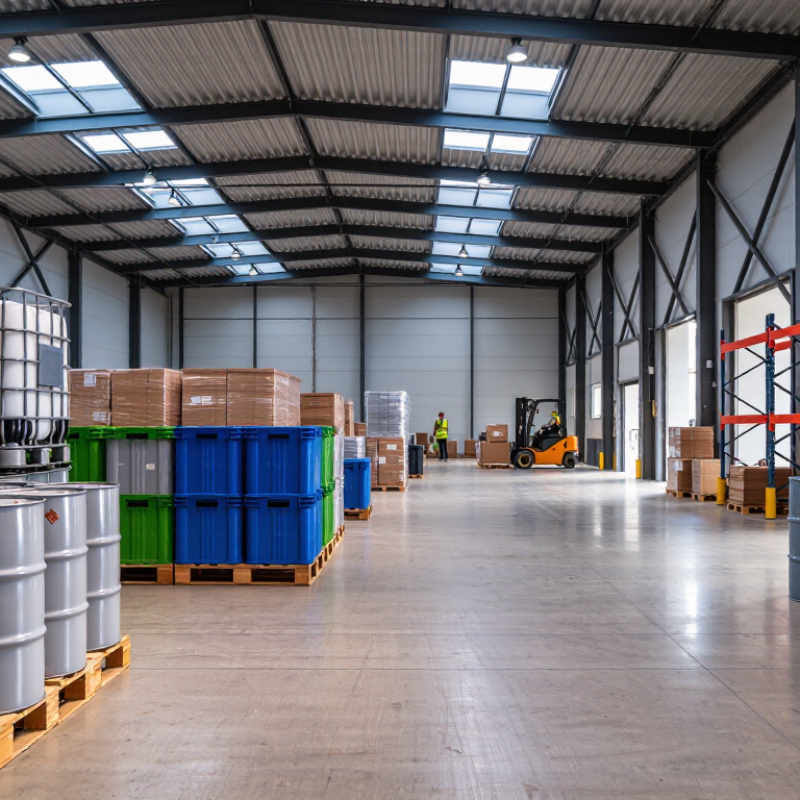
What Reconditioned Industrial Packaging Means in 2026
What Reconditioned Industrial Packaging Means in 2026
Reconditioned industrial packaging is more than a used container with fresh paint. It has been inspected, cleaned, repaired, and tested for another service cycle. In 2026, buyers expect clear records for every unit. These records may show previous use, inspection dates, repair work, and material compatibility. A steel drum, plastic drum, IBC tote, or reusable pallet can qualify. The process depends on its design and condition.
Modern reconditioning often includes leak testing, valve checks, closure replacement, and surface inspections. Trained technicians look for dents, cracks, corrosion, weakened seams, and damaged fittings. Digital identification can connect each package to inspection evidence. This improves purchasing decisions and supports consistent warehouse controls. It also helps companies measure waste reduction more accurately.
Not every reconditioned package is equal. That matters. A container suitable for dry materials may not suit liquids or temperature changes. Previous contents can create uncertainty when records are incomplete. I have seen buyers focus on price and overlook closure quality or storage history. That choice can create handling problems later. Responsible suppliers explain limitations instead of promising perfect performance. Buyers should verify specifications, cleaning status, testing methods, and intended use before approval. The strongest programs treat reconditioning as controlled maintenance, not simple resale.
Reconditioned Steel Drums and Their Industrial Uses
Reconditioned Steel Drums and Their Industrial Uses
Reconditioned steel drums remain practical assets in modern industrial packaging. They combine structural strength with lower material demand. The World Steel Association reports that about 680 million tonnes of steel are recycled globally each year. That figure supports steel’s circular potential, although a drum’s condition still matters more than its material alone.
In plant operations, reconditioned drums commonly hold lubricants, resins, coatings, adhesives, and compatible industrial powders. A usable drum should show consistent wall thickness, secure closures, clean interiors, and no active corrosion. Reconditioners typically remove old labels, clean the shell, inspect seams, replace closures, and perform leak checks. Small details matter.
The European Steel in Packaging recycling report recorded an 80.5% steel packaging recycling rate in Europe for 2022. Reuse can extend that value before final recycling. However, not every reconditioned drum suits every filling line. Previous contents may affect odor, cleanliness, or material compatibility. This is where purchasing teams sometimes move too quickly.
For sensitive applications, request documented cleaning procedures, inspection records, and closure specifications. Food-contact use requires separate compliance verification. A drum may look excellent outside and still fail an internal inspection. That uncomfortable possibility deserves attention.
Reconditioned Intermediate Bulk Containers for Bulk Materials
2026 Top Types of Reconditioned Industrial Packaging
Reconditioned Intermediate Bulk Containers for Bulk Materials
Reconditioned intermediate bulk containers offer a practical option for storing and moving bulk materials. Common choices include composite IBCs, stainless steel IBCs, and heavy-duty plastic units. Composite models use a plastic bottle, metal cage, and pallet base. They suit many non-hazardous liquids, powders, and granulated materials. Stainless steel units handle demanding environments and repeated cleaning cycles. Plastic containers remain lighter and easier to position with standard lifting equipment.
Condition matters more than appearance. A clean cage does not prove internal reliability. Experienced inspectors check the bottle, welds, valve, gasket, pallet, and outlet threads. They also review previous service history when available. Leak testing should follow documented procedures. Material compatibility requires equal attention. Acids, oils, solvents, and food-grade substances can demand different container specifications. An IBC that worked well for one material may perform poorly with another.
Good reconditioning includes controlled washing, drying, component replacement, and clear inspection records. Residual odor can reveal incomplete cleaning. Small valve damage may cause costly leakage later. These details deserve careful review. Some buyers focus too heavily on price. That approach can overlook handling risks, storage conditions, and delivery requirements. Reconditioned units are not automatically identical to new containers. Their value depends on honest grading, suitable design, and consistent quality checks. Teams should confirm capacity, discharge fittings, stacking limits, and lifting compatibility before purchase.
Reconditioned Plastic Drums, Totes, and Transport Boxes
2026 Top Types of Reconditioned Industrial Packaging
Reconditioned Plastic Drums, Totes, and Transport Boxes
Reconditioned plastic drums suit liquids, powders, and production materials when the container matches the contents. Inspectors check the walls, bung threads, closures, and base for stress marks. A drum may look clean yet retain odor or chemical residue. That detail matters. Reconditioned plastic totes offer larger capacity, often with a rigid cage and a pallet-style base. They support efficient storage and movement across warehouses. Before reuse, verify the inner bottle, valve, lid, and cage alignment. A slightly bent frame can create handling problems later. I have found that visual checks alone are not enough. Records should show cleaning, inspection dates, previous service conditions, and approved applications.
Tips: Confirm material compatibility before filling. Check valve seals by hand. Keep transport boxes dry and covered during storage. Stack only within the supplier’s stated limits. Do not assume every reconditioned unit has identical strength. Some boxes show light scuffing but remain serviceable, while hidden cracks may require rejection.
Reconditioned transport boxes work well for components, packaged goods, and returnable warehouse flows. Their folding or nesting designs can reduce empty-storage space. Choose solid walls for small parts and ventilated styles for airflow-sensitive materials. Requirements vary by product and region. When uncertain, request inspection evidence and a clear usage history. That extra step may feel slow, but it prevents avoidable handling damage.
2026 Top Types of Reconditioned Industrial Packaging
Typical nominal capacities for commonly reconditioned industrial packaging formats. Actual capacity varies by container design, closure type, and supplier specification.
Key insight: Reconditioned IBC totes generally provide the highest nominal capacity, while plastic drums and transport boxes are commonly selected when easier handling, stacking, or smaller batch sizes are required.
How to Select Reconditioned Packaging for Safety and Compliance
2026 Top Types of Reconditioned Industrial Packaging
How to Select Reconditioned Packaging for Safety and Compliance
Reconditioned industrial packaging can reduce waste and purchasing costs, but selection must begin with risk. Common options include steel drums, plastic drums, intermediate bulk containers, and reusable pallets. Each type suits different materials, weights, temperatures, and handling systems. A container that looks strong may still have hidden weaknesses.
Inspect the body, seams, closures, valves, and lifting points. Look for dents, cracks, corrosion, stains, and distorted fittings. A clean surface can mislead. Ask for documented cleaning records, inspection dates, repair details, and traceability codes. For regulated transport, verify the correct performance certification and testing status. Check that the packaging matches the material’s chemical compatibility, density, temperature range, and filling method. Do not rely on appearance alone.
Practical warehouse checks also matter. Place a sample container on the actual pallet and test movement through doors, racks, and loading equipment. Confirm that closures seal properly and labels remain readable after handling. Review the supplier’s quality process, staff training, and rejection criteria. Reliable documentation should be clear, current, and easy to audit. Sometimes, the cheapest unit creates extra inspection work or delays. That is an uncomfortable trade-off. Reconsider the choice before shipment, especially when the contents are heavy, corrosive, or sensitive to contamination.
FAQS
It is packaging inspected, cleaned, repaired, and tested for another service cycle. It is not simply a used container with fresh paint.
Steel drums, plastic drums, IBC totes, and reusable pallets may qualify. The design and condition determine the process.
Technicians check for dents, cracks, corrosion, weak seams, and damaged fittings. They may also test leaks, valves, closures, and surfaces.
Request previous-use details, inspection dates, repairs, cleaning methods, and testing results. Digital identification can connect each unit with its inspection evidence.
No. A package suitable for dry materials may fail with liquids or temperature changes. Check material compatibility and closure quality carefully.
Previous contents may leave odors, residues, or compatibility concerns. Incomplete records create uncertainty. That should not be ignored.
They may hold lubricants, resins, coatings, adhesives, and compatible industrial powders. Secure closures and clean interiors remain essential.
Check wall consistency, seams, corrosion, closures, and interior cleanliness. A drum can look excellent outside and still fail internally.
Reuse can extend packaging life before final recycling. Steel recycling supports circular use, but condition matters more than material alone.
They should explain limitations, intended use, cleaning status, specifications, and testing methods. Perfect performance should never be promised casually.
Conclusion
Reconditioned Industrial Packaging refers to containers that have been carefully inspected, cleaned, repaired, and prepared for safe reuse in commercial and manufacturing environments. In 2026, this approach supports cost control, resource efficiency, and waste reduction while maintaining practical performance. Reconditioned steel drums are suitable for storing and transporting many approved industrial materials, offering strength and durability in demanding conditions. Reconditioned intermediate bulk containers are designed for moving bulk liquids, powders, and other compatible materials, making them useful across manufacturing, agriculture, and logistics operations.
The market also includes reconditioned plastic drums, totes, and transport boxes, which provide lightweight, flexible, and reusable options for different handling needs. Choosing the right packaging requires reviewing material compatibility, container condition, capacity, closure systems, cleanliness, and traceability. Users should also confirm that the packaging meets applicable safety, transportation, and environmental requirements for its intended use. A careful selection process helps organizations balance performance, compliance, sustainability, and total operating cost.