
1. Executive Overview: The Strategic Imperative of Intermediate Bulk Containers
In the modern chemical, petrochemical, food and beverage, and pharmaceutical supply chains, the choice of rigid industrial packaging directly dictates operational efficiency, transport risk management, and carbon footprint reduction. Intermediate Bulk Containers (IBCs), often referred to as pallet tanks, tote bins, or IBC totes, represent the gold standard in liquid bulk packaging, bridging the capacity gap between standard 55-gallon (210-liter) industrial steel drums and full ISO tank containers.
Standardized around the 1,000-liter (275-gallon) and 1,250-liter (330-gallon) volumetric footprint, modern composite Intermediate Bulk Containers deliver an extraordinary 25% increase in cubic shipping density compared to four 55-gallon drums arranged on a standard ISO pallet. By eliminating interstitial dead space and streamlining mechanical handling via integrated four-way pallet entry, IBC totes lower total cost of ownership (TCO) across sea freight, rail, and over-the-road trucking networks.
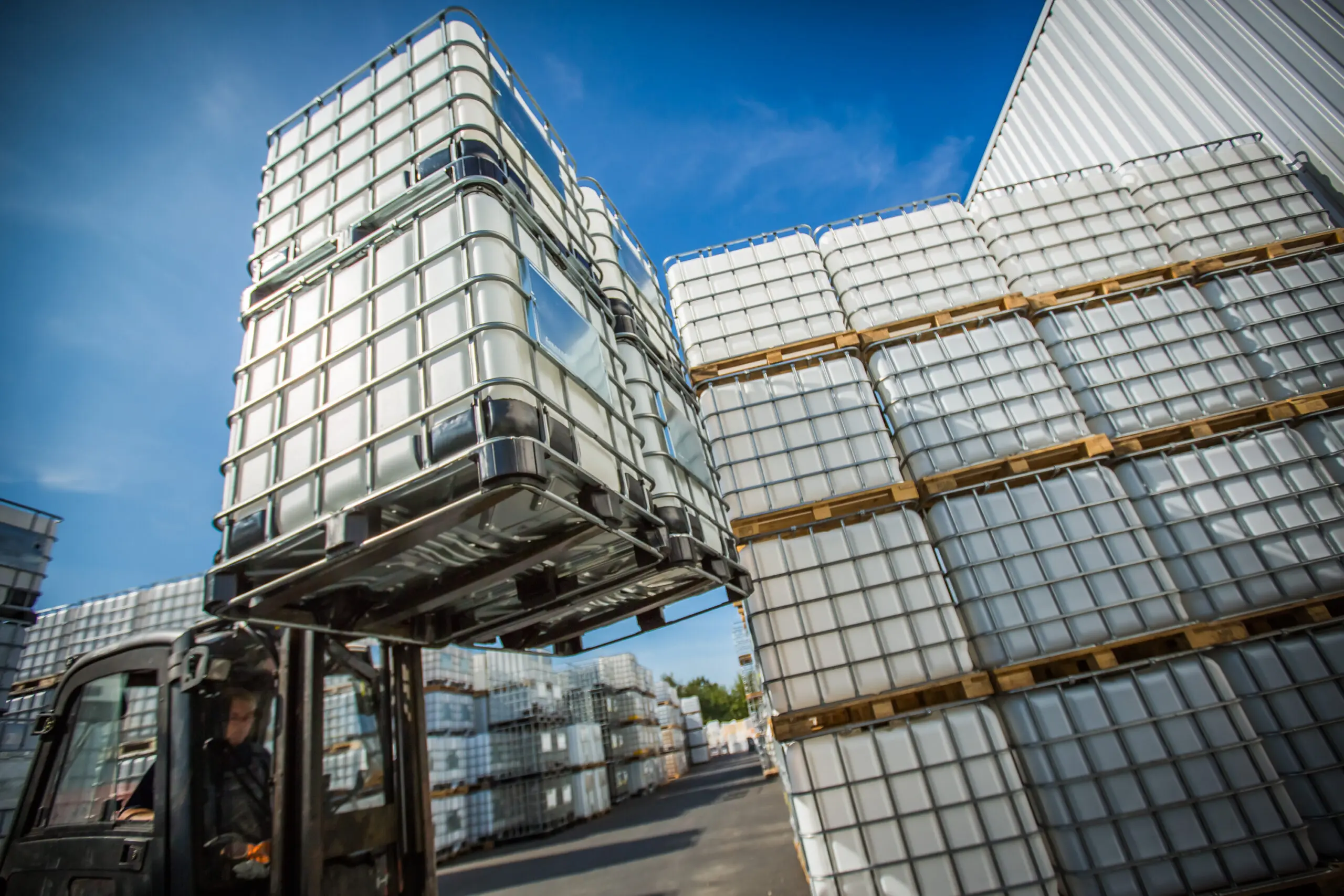

Switching from traditional drums to UN-certified 1,000L composite IBCs cuts total filling cycles by 80%, decreases connection points prone to leakage, and minimizes container residual heel to under 50 ml per cycle due to sloped deep-drain sump bases. This technical advantage alone can recover thousands of dollars annually in un-emptied chemical concentrate across high-volume production lines.
2. Technical Specification & Selection Matrix for Enterprise Buyers
Specifying the ideal Intermediate Bulk Container requires an engineering evaluation of product viscosity, chemical agressiveness, vapor pressure, thermal volatility, and multi-modal handling requirements. B2B procurement teams must assess container performance against five primary design dimensions:
A. Inner Bottle Material Science & Multi-Layer Extrusion
The heart of the composite IBC is its blow-molded inner vessel. Modern manufacturing utilizes high-molecular-weight, high-density polyethylene (HMW-HDPE), providing superior environmental stress crack resistance (ESCR) and tensile durability. Advanced composite IBCs employ 3-layer to 6-layer co-extrusion technologies:
- Outer Layer: Formulated with carbon black or specific pigments for UV protection and static dissipation in ex-proof zones.
- Middle Layer (PCR Integration): Incorporates up to 30%+ Post-Consumer Recycled (PCR) HDPE resin, substantially reducing virgin plastic demand while preserving structural rigidity.
- Inner Contact Layer: 100% virgin ultra-pure HDPE resin, guaranteeing compatibility with aggressive acids, ultra-pure chemicals, and food-grade concentrates.
- Barrier Layers (EVOH): Ethylene Vinyl Alcohol (EVOH) inner barriers prevent gas permeation (oxygen, nitrogen) and restrict volatile organic compound (VOC) vapor loss.
B. Outer Cage Architecture & Pallet Engineering
The tubular steel grid cage absorbs dynamic forces during transit, container stacking, and rapid acceleration. Welded steel mesh frames undergo hot-dip galvanization or high-durability zinc coatings to prevent atmospheric corrosion in coastal or chemical plant environments. Pallet variants include:
- Galvanized Steel Tubular Pallets: Maximum durability, fully fire-resistant, and ideal for heavy-duty chemical reuse loops.
- Plastic Skid/Full-Plastic Pallets: Ideal for pharmaceutical cleanrooms and highly corrosive acidic environments where metal degradation is a concern.
- Composite Wood/Steel Hybrid Pallets: Cost-effective baseline solution for one-way export shipments.
| IBC Category | Nominal Capacity | UN Rating Range | Primary Applications | Lifecycle & Sustainability Profile |
|---|---|---|---|---|
| Standard Composite IBC (SM13) | 1,000L / 1,250L | UN 31HA1/Y | General Industrial Chemicals, Agrochemicals, Lubricants | Multi-trip capable; rebottlable & 100% recyclable cage |
| EX / Anti-Static IBC | 1,000L | UN 31HA1/Y (Zone 1 & 2) | Flammable Solvents (Flash point < 60°C), Petrochemicals | Grounded steel cage, static-dissipative outer layer |
| Aseptic & Food-Grade IBC | 1,000L | FDA / EC 1935/2004 | Edible Oils, Beverage Syrups, Liquid Dairy, Flavors | Sterilized liner options, steam-cleanable valves |
| PCR-Infused Eco IBC | 1,000L | UN 31HA1/Y / Non-UN | Industrial Waste, Cleaning Agents, Non-Food Liquids | Integrated 25-50% Post-Consumer Recycled resin; low carbon |
| Stainless Steel Heavy Duty IBC | 500L - 2,000L | UN 31A/Y (Group I, II, III) | Highly Toxic Chemicals, Ultra-Pure Pharma, Offshore Oil | 20+ year asset life; maximum thermal & fire protection |
3. IBC Product Recommendations & System Integration
When matching specific chemical profiles to container types, enterprise users should consider the following flagship configurations:
Mauser SM13 Composite IBC
The global benchmark for liquid chemical logistics. Features a robust tubular steel grid, optimized sump drainage, and high-flow 2-inch or 3-inch butterfly and ball valves engineered for precision discharge.
SM15 Anti-Static (EX) IBC
Specifically engineered for explosive environments (ATEX Zone 1 and 2). Equipped with an anti-static outer container shell, grounding cable system, and explosion-proof pressure relief caps.
Reconditioned & Rebottled IBCs
Zero-compromise sustainability. Features a brand-new UN-approved inner bottle placed inside a thoroughly inspected, washed, and structurally tested pre-owned steel cage.
4. Regulatory Compliance Architecture: UN, DOT, IMDG & ADR Standards
Transporting hazardous liquids across international borders requires strict adherence to international Dangerous Goods regulations. Intermediate Bulk Containers intended for hazardous materials must bear a permanent, legibly stamped **UN Marking Code** issued by accredited national testing authorities (e.g., BAM, DOT, BAM-certified testing labs).
Deciphering the UN IBC Code
An example of an official UN code for a composite IBC is:
UN 31HA1 / Y / 05 26 / USA / MAUSER / 4050 / 1080
- 31: Designates a rigid IBC for liquids under gravity or low pressure.
- H: Plastics material.
- A: Outer steel structure (Composite: Plastic inner vessel with steel cage).
- 1: Rigid inner receptacle design.
- Y: Packaging Group II (Medium danger) and Group III (Low danger) approval. (Group I requires special stainless steel or reinforced designs certified to 'X').
- 05 26: Month and Year of manufacture (e.g., May 2026).
- USA / MAUSER: Country of certification and official manufacturer ID.
- 4050 / 1080: Maximum allowable stacking weight (kg) / Maximum gross mass (kg).
To maintain UN hazmat authorization, IBC designs undergo rigorous structural validation:
- Vibration Testing: 60 minutes of multi-axis harmonic vibration simulating extreme rail and road transport conditions.
- Bottom Lift & Top Lift Testing: Dynamic overload testing while lifted by forklift tines or overhead crane gear.
- Stacking Test: 28-day constant load test at 40°C simulating full static warehouse stacking (up to 4-high).
- Hydrostatic & Pneumatic Pressure Test: 100 kPa (15 psi) hydrostatic pressure applied to detect weld micro-fissures or seal breaches.
- Drop Test: Free-fall impact test at -18°C (0°F) to ensure the inner HDPE vessel withstands low-temperature brittle fractures.
5. Strategic Procurement & Technological Trends (2026–2035)
The global industrial packaging ecosystem is experiencing a profound paradigm shift driven by decarbonization mandates, corporate Scope 3 emissions reporting, and AI-driven supply chain automation. Buyers must evaluate three emerging megatrends:
Trend 1: Smart Telemetry & Real-Time IoT Asset Tracking
Modern enterprise IBC fleets are transforming from passive passive containment vessels into intelligent, connected edge devices. By embedding cellular (NB-IoT/LTE-M) and BLE tracking beacons into the IBC top cap or steel frame, logistics managers gain real-time visibility into:
- Geofencing & GPS Location: Automated alerts when containers enter or exit intermediate distribution centers or customer facilities.
- Ultrasonic Liquid Level Sensing: Continuous volume telemetry, eliminating manual dipstick measurements and enabling automated vendor-managed inventory (VMI).
- Shock, Temperature & Pressure Monitoring: Instant notification of tilt events, freeze risks for water-based emulsions, or abnormal vapor pressure spikes in chemical transit.
Trend 2: Closed-Loop Circular Economics & Extended Producer Responsibility (EPR)
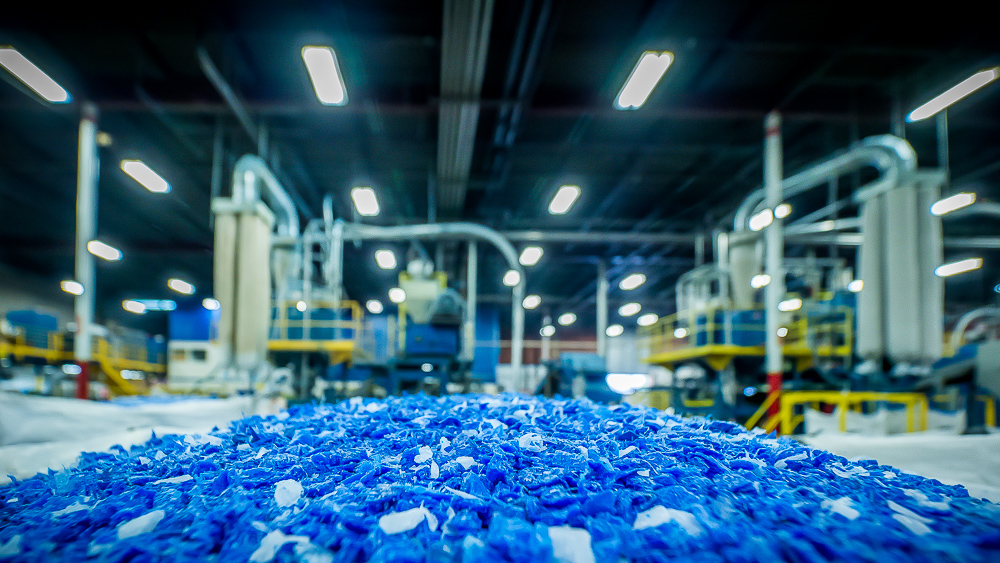
Linear "fill-ship-dispose" packaging models are rapidly being phased out by stringent global legislation, including the EU's Packaging and Packaging Waste Regulation (PPWR) and state-level EPR laws in North America. Forward-thinking procurement teams are establishing closed-loop recovery services:

Trend 3: Multi-Modal ISO Container Space Optimization
With international freight rates fluctuating, maximizing cube utilization inside standard 20ft and 40ft ocean shipping containers is vital. Engineering innovations in low-profile IBC top caps, compact corner radii, and ultra-flat pallet bases allow exact 18-unit or 20-unit loading layouts inside 20ft ISO sea containers without risking lateral load shifting or exceeding road weight limits.
6. Corporate Capability Showcase: The Mauser Global Advantage
With over 330 years of combined industrial packaging heritage, Mauser Packaging Solutions stands unmatched as the definitive worldwide leader in rigid packaging design, production, and lifecycle management. Operating more than 170 manufacturing and reconditioning sites across 50+ countries, Mauser offers global enterprises the perfect balance of localized responsiveness and global supply chain resilience.
330+ Years Heritage
Unrivaled material science engineering, hundreds of active patents, and deep institutional knowledge across hazmat transport safety.
170+ Global Sites
Strategically located production facilities ensuring localized backup supply, zero lead-time delays, and minimized inland freight costs.
Recover Syst-M Network
The world's largest proprietary reverse logistics network designed to collect, wash, rebottle, or recycle empty IBCs at scale.
Whether your enterprise requires specialized fluorinated inner bottles for ultra-aggressive agrochemical solvents, FDA-compliant food totes with aseptic discharge valves, or custom-branded steel cages for fleet identity, Mauser engineers collaborate directly with your team to deliver fully validated, custom-engineered packaging solutions.