Navigating the complex technical requirements of solvent containment, UV-curable ink stability, hazardous UN ratings, and circular decarbonization. Engineered for procurement officers, chemical engineers, and supply chain directors worldwide.
330+ Years HeritageUnrivaled Industrial Experience
170+ Global SitesWorldwide Security of Supply
UN CertifiedStrict Chemical Compliance
Circular EconomyRecover Syst-M & PCR Resin
Technical Containment Analysis
The Chemical Engineering of Paints, Coatings, and Inks Packaging
Selecting industrial packaging for the Paints, Coatings & Inks Packaging sector requires navigating extreme chemical diversity. Products in this market range from low-viscosity, volatile organic solvents (such as methyl ethyl ketone, xylene, and toluene) to high-viscosity pastes, UV-curable monomers, and water-borne acrylic emulsions. Each chemistry presents distinct physical challenges: solvent permeation, oxygen sensitivity, photo-polymerization, moisture absorption, and static charge accumulation during transfer.
As global regulations tighten around volatile organic compounds (VOCs), Dangerous Goods transportation (UN Chapter 6.1 and 6.5), and Scope 3 lifecycle carbon emissions, chemical procurement teams can no longer rely on standardized containers. A mismatch between the coating formulation and the internal liner polymer, closure gasket, or drum geometry can result in catastrophic product degradation, skinning, delamination, or dangerous shipping incidents.
Solvent vs. Water-Borne Containment: Material Compatibility Matrix
To assist chemical engineers and packaging buyers in risk-free procurement, Mauser Packaging Solutions provides an authoritative compatibility framework based on empirical stress-crack resistance tests and permeation coefficient tracking:
Coating/Ink Category
Key Volatiles & Active Solvents
Recommended Packaging Substrate
Internal Lining / Barrier Spec
UN Performance Rating
Solvent-Borne Automotive Refinishes
Xylene, Toluene, Acetone, Butyl Acetate
Cold-Rolled Steel Drums & Tin Cans
High-Bake Epoxy-Phenolic Coating
UN 1A1 / X1.8 (Packing Group I/II)
Water-Borne Architectural Latex Paints
Water, Glycol Ethers, Coalescing Solvents
HDPE Plastic Pails & Jerrycans
Unlined or Fluorinated HDPE / PCR Resin
Non-UN or UN 1H2 / Y1.4
UV-Curable Printing Inks & Varnishes
Acrylate Monomers, Photoinitiators
HDPE Tight-Head Drums & Pails
100% Light-Blocking UV Barrier (Black/Dark Amber)
UN 1H1 / Y1.6
Bulk Industrial Resins & Pigment Pastes
Polyols, Solvents, Heavy Resins
Composite IBC (Intermediate Bulk Container)
Anti-Static HDPE Inner Bottle + Steel Frame
UN 31HA1 / Z1.9 (Class 3 Flammable)
High-VOC Flexographic & Gravure Inks
Ethanol, Isopropanol, Ethyl Acetate
Tight-Head Steel Drums / Stainless Steel IBCs
Phenolic/Epoxy Internal Lining
UN 1A1 / Y1.8 / EX-Zone Grounded
Product Recommendation Guide
Engineered Packaging Solutions for Paints, Coatings & Inks
Mauser Packaging Solutions manufactures a complete portfolio of rigid industrial packaging specially optimized for the global coatings industry. By incorporating proprietary blow-molding geometries, high-bake lacquer application, and advanced anti-static technologies, our products maintain pristine fluid integrity while maximizing logistics density.
Epoxy-Phenolic Lined Steel Drums
Engineered for solvent-borne coatings, high-performance automotive lacquers, and industrial inks. Features a precision high-bake epoxy-phenolic lining that eliminates rust contamination and resists aggressive solvent degradation during long-term storage.
Ideal for architectural paints, tinting bases, and industrial adhesives. Formulated with high-density polyethylene (HDPE) or post-consumer recycled (PCR) resin. Equipped with air-tight lid gaskets, tint-plug options, and tear-skirt tamper evidence.
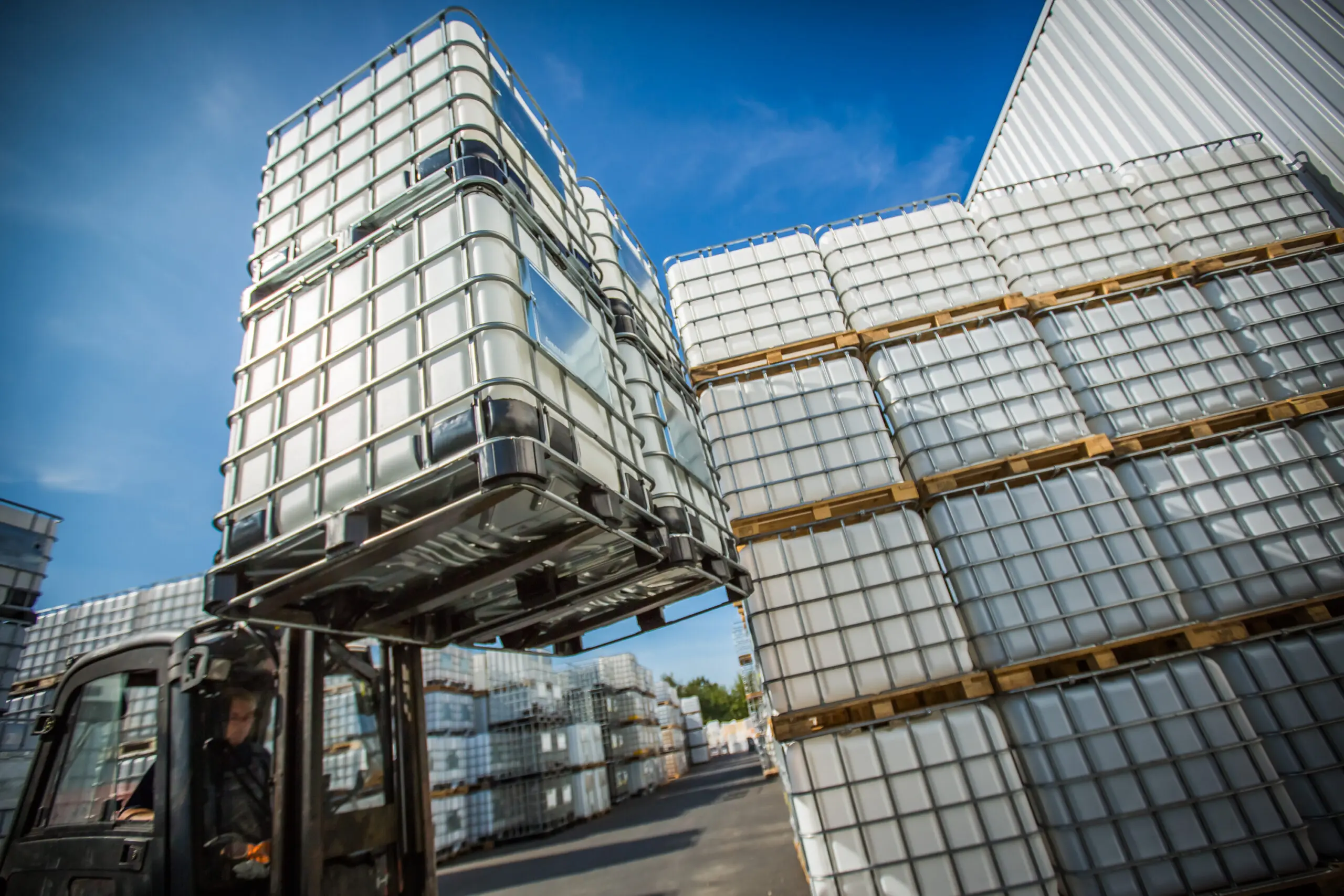
1000-liter composite IBCs designed for high-volume liquid paint resins and solvent inks. Features an outer grounded steel grid and EX-safe anti-static inner bottle layer to eliminate electrostatic discharge hazards during high-speed filling in explosive zones.
Precision tinplate metal packaging and plastic tight-head jerrycans for printing inks, wood stains, wood preservatives, and hardener catalysts. Excellent stackability, flame-flash resistance, and zero vapor permeability.
Global Trends Transforming Paints, Coatings & Inks Packaging
1. The Transition to Low-VOC and Water-Borne Chemistry
Environmental regulations such as REACH in Europe, EPA Clean Air Act amendments in North America, and strict VOC limits across Asia-Pacific are driving a massive shift from traditional solvent-borne enamels to water-borne acrylics and polyurethane dispersions (PUDs).
This shift radically alters packaging requirements. Water-borne systems cause rapid corrosion in unlined steel containers and are prone to biological contamination or surface skinning if headspace gas composition is unmanaged. As a result, demand for specialized epoxy-lined drums, barrier-coated plastic pails, and corrosion-resistant closures has skyrocketed across global procurement networks.
Historically, off-line fluorination was used to reduce solvent permeation in plastic containers carrying coatings additives and thinners. However, global scrutiny over per- and polyfluoroalkyl substances (PFAS) is driving a rapid transition toward multi-layer co-extrusion (EVOH barrier layers) and high-density polymer blends.
Mauser Packaging Solutions leads the industry in non-PFAS barrier container design, utilizing advanced co-extrusion technology that prevents volatile solvent migration while ensuring full compliance with upcoming global chemical bans.
3. Smart Packaging & Digital Traceability
High-value automotive coatings and specialized UV-curable inks require strict temperature management and batch tracking throughout transatlantic shipping. Modern IBC containers and heavy-duty steel drums are increasingly integrated with RFID tags and IoT data loggers.
Digital tracking allows global paint manufacturers to monitor shock, thermal spikes, and tilt angles in real time—preventing premature curing or pigment settling during transport and giving procurement teams full supply chain visibility.
4. Zero-Skinning Closure Geometries
Skinning—the formation of a solid polymer film on the surface of liquid paint inside the container—costs the industrial coatings industry millions of dollars annually in wasted product. Modern industrial packaging incorporates nitrogen-purge compatible closures, diaphragm seals, and smooth internal sidewall profiles that minimize air entrapment and prevent pigment drying during partial dispensing.
Procurement & ESG Strategy
Future Procurement Trends: Circular Economy and Carbon Reduction
By 2030, corporate sustainability mandates will require industrial chemical buyers to systematically reduce the carbon intensity of their packaging operations. In the paints, coatings, and inks sector, where solvent emissions historically dominated environmental footprint metrics, packaging lifecycle management is now a primary target for Scope 3 greenhouse gas reduction.
Integrating Post-Consumer Recycled (PCR) Resin
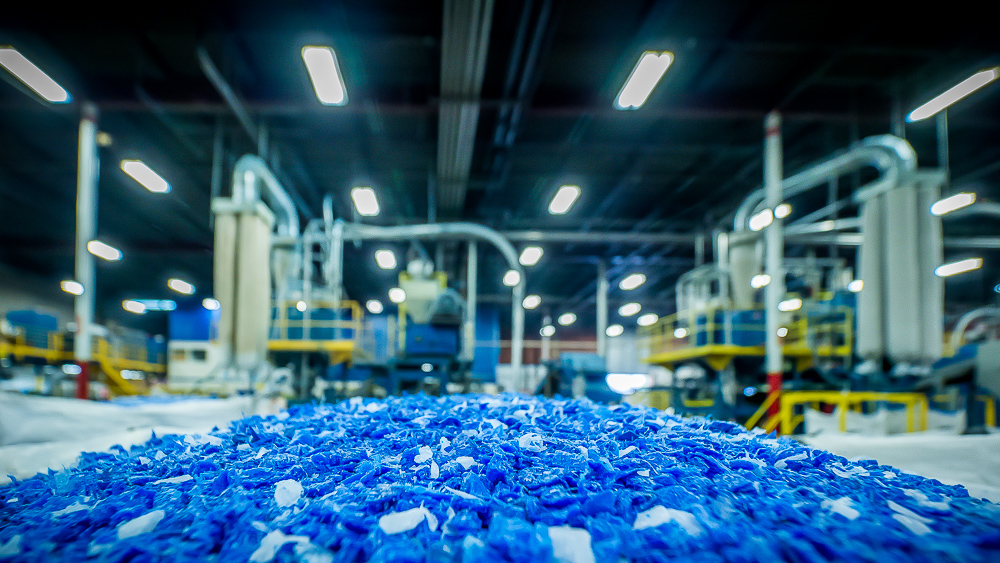
Procurement leaders are actively replacing virgin plastic pails and drums with containers manufactured from high-purity Post-Consumer Recycled (PCR) HDPE resin. Mauser’s multi-layer molding process places a core of high-grade PCR resin between layers of virgin plastic, preserving 100% of the container's structural strength, stress-crack resistance, and drop-test performance while significantly lowering environmental impact.
This technical achievement allows paint manufacturers to achieve 30% to 75% recycled content targets without compromising UN dangerous goods ratings or product shelf-life.
The future of industrial chemical logistics is closed-loop. Single-use steel drums and disposable IBCs are being phased out in favor of standardized, reconditionable containers. Through our global Recover Syst-M program, empty IBCs and steel drums used for industrial paints and resins are collected directly from end-user sites, professionally washed, re-lined or fitted with new inner bottles, and certified for re-entry into the supply chain.
Reconditioned packaging consumes up to 80% less energy and emits significantly lower carbon dioxide compared to manufacturing new containers, directly supporting your organization's decarbonization goals.
Enterprise Heritage & Global Expertise
Why Industry Leaders Choose Mauser Packaging Solutions
With over 330 years of combined industry experience and a global network of more than 170 production and service facilities, Mauser Packaging Solutions provides an unmatched foundation of reliability, technical expertise, and scale.
Global Security of Supply
Our redundant manufacturing footprint ensures that whether you blend coatings in Europe, North America, Latin America, or Asia, you receive identical quality specifications and uninterrupted container delivery.
In-House UN Testing Labs
We operate state-of-the-art packaging performance testing facilities certified to conduct hydraulic pressure, drop-impact, stacking, and chemical permeability testing strictly adhering to DOT, ADR, and IMDG regulations.
Custom Engineering & Design
Our packaging engineers work side-by-side with chemical R&D teams to formulate custom internal linings, specialized spout closures, and anti-settling IBC agitator lids tailored to your specific fluid dynamics.
Paints, Coatings & Inks Packaging: Technical FAQ for Buyers
Based on search intent queries analyzed from global procurement portals and industrial search channels, our senior packaging engineers answer the most pressing technical questions regarding industrial coatings containment:
Q1: How do I determine whether my solvent-based paint requires an epoxy-phenolic liner or an unlined steel drum?
Answer: The choice depends on solvent aggressiveness, pH, and sensitivity to iron contamination. Unlined steel drums are suitable for non-corrosive, neutral solvent blends where minor iron absorption does not affect color purity. However, automotive finishes, clear lacquers, acidic resins, and high-VOC solvent paints require an internal epoxy-phenolic lining. Epoxy-phenolic linings are oven-baked at high temperatures to form an inert barrier that resists attack from ketones, esters, and aromatic hydrocarbons, preventing drum rusting and discoloration of the paint.
Q2: What UN dangerous goods ratings are required for transport of Class 3 Flammable Paints and Inks?
Answer: Class 3 flammable liquids (flashpoint below 60°C) generally require UN Packing Group II (symbol Y) or Packing Group III (symbol Z) certified packaging, depending on vapor pressure and viscosity. For highly volatile solvent thinners or raw solvents, Packing Group I (symbol X) may be mandatory. The packaging must pass UN hydraulic pressure tests (typically 100 kPa to 250 kPa), drop tests from up to 1.8 meters, and stacking load tests. Mauser offers a complete line of UN-certified steel drums, plastic pails, and composite IBCs marked with compliant UN rating codes.
Q3: How can we prevent electrostatic discharge (ESD) risks when filling flammable printing inks into IBC containers?
Answer: Standard plastic IBC bottles can accumulate static charges during high-speed filling of low-conductivity solvents (e.g., toluene, ethyl acetate, xylene). To prevent explosive spark ignition in EX-zones, buyers must specify Anti-Static or Conductive Composite IBCs. Mauser manufactures anti-static IBCs featuring an outer dissipative polymer layer or grounded steel enclosure, equipped with conductive valves and grounding cables that safely dissipate static charges during filling and discharge.
Q4: Can water-borne latex paints be safely stored in plastic pails made with Post-Consumer Recycled (PCR) resin?
Answer: Yes. Utilizing co-extrusion blow molding or injection molding technology, Mauser produces multi-layer plastic pails where high-purity PCR resin is sandwiched between inner and outer virgin HDPE layers. The inner virgin plastic layer ensures 100% chemical purity and prevents color migration into the water-borne emulsion, while the middle PCR layer provides structural stiffness and significant carbon footprint reduction.
Q5: What packaging design features prevent pigment settlement and skinning in high-viscosity industrial coatings?
Answer: Pigment settlement and surface skinning are mitigated through specific container geometries and lid accessories. Open-head steel drums and wide-mouth pails allow integration of high-viscosity follower plates or lid-mounted agitators for homogenization prior to dispensing. Nitrogen flushing ports on tight-head containers displace oxygen in the headspace to eliminate oxidation skinning. Smooth, seamless interior container walls prevent pigment trap zones.
Q6: How does empty IBC and drum reconditioning work for coatings manufacturers, and what is the return process?
Answer: Through Mauser’s Recover Syst-M program, customers schedule collection of empty, drip-dry industrial containers. The collected containers undergo automated chemical washing, structural inspection, pressure testing, and liner replacement (for composite IBCs). Reconditioned drums and IBCs are re-certified to rigorous UN performance standards and delivered back to paint chemical plants, providing a seamless, cost-effective closed-loop cycle.
Expert Consultation & Quotes
Optimize Your Paints, Coatings & Inks Packaging Line Today
Whether you need customized internal drum linings, UN-rated anti-static IBCs, or a complete Scope 3 carbon reduction strategy using PCR resin, our global engineering team is ready to assist.