Strategic Outlook
Future Procurement & Industry Trends in Construction Packaging
The global construction industry is undergoing a massive transformation driven by stringent carbon-neutrality mandates, strict ESG reporting frameworks (such as Scope 3 emission accounting), and digitalized supply chain automation. Procurement executives sourcing construction materials packaging must align their purchasing strategies with four key macro trends reshaping the industry through 2030:
1. Circular Economy Mandates and Closed-Loop Container Recovery
Linear "take-make-waste" packaging models are rapidly becoming obsolete in major construction markets across Europe, North America, and Asia-Pacific. Major civil engineering contracts now mandate verified circular lifecycle metrics. Procurement teams are moving toward reconditioned composite IBCs and re-manufactured steel drums that deliver identical performance to virgin packaging at a fraction of the carbon footprint. By leveraging global recovery infrastructure like Mauser's Recover Syst-M, building chemical manufacturers can automatically collect emptied IBCs from job sites, perform high-pressure automated washing and bottle replacement, and return certified containers directly into the supply loop.
2. Advanced Post-Consumer Recycled (PCR) Polymer Integration
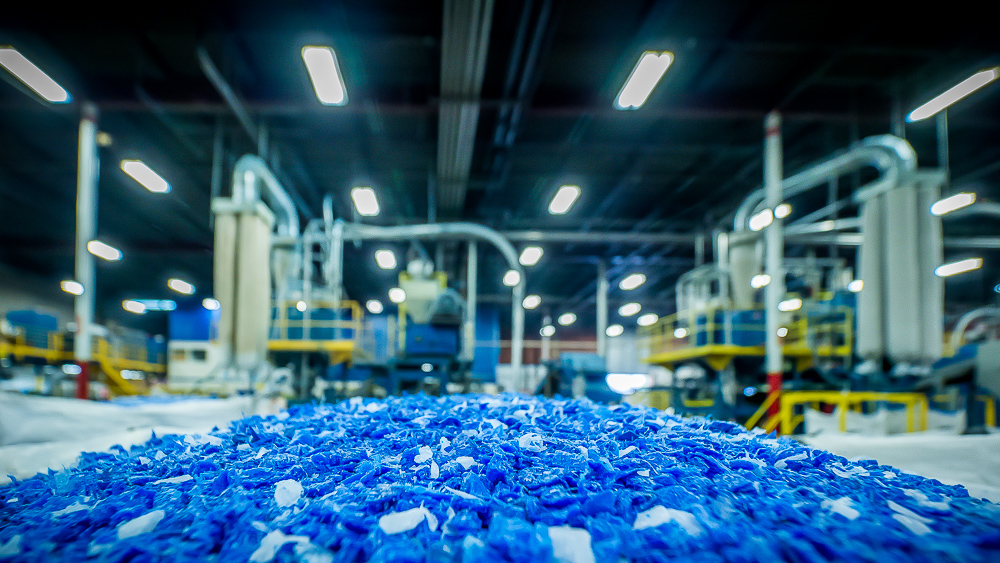
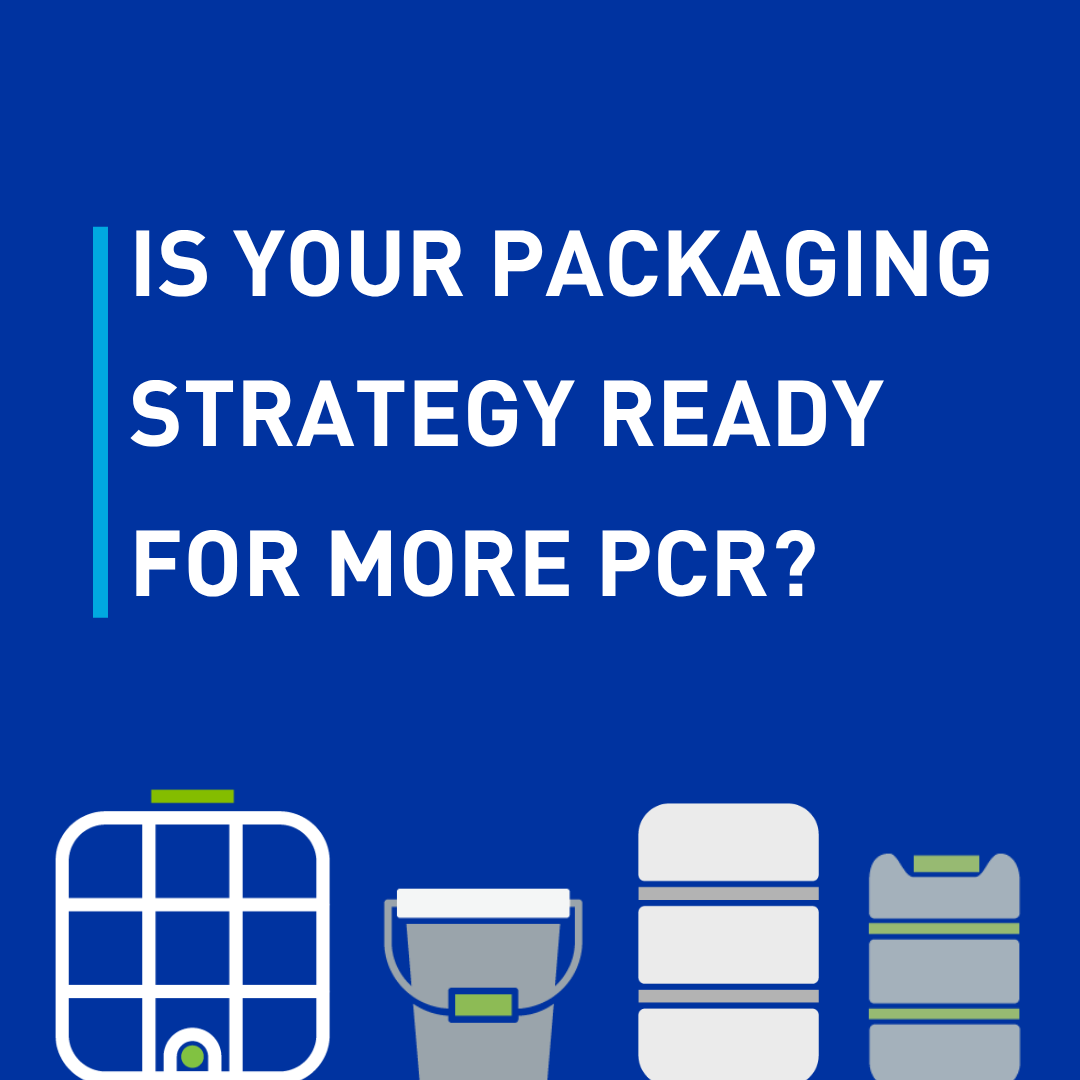
Regulatory frameworks worldwide—including the EU Packaging and Packaging Waste Regulation (PPWR)—are imposing minimum recycled content thresholds for industrial plastic packaging. Historically, incorporating recycled resin into industrial pails and jerrycans compromised structural strength and ESCR ratings. However, advancements in multi-layer co-extrusion technology allow manufacturers to sandwich up to 75%+ PCR resin between inner and outer virgin polymer layers. This preserves full UN drop-test ratings while drastically reducing reliance on fossil-based virgin plastics.
Global Standardization with Local Sourcing Agility
As multinational building chemical companies expand into emerging markets, maintaining uniform packaging specifications is a major bottleneck. Global procurement frameworks now require partners with a unified multi-site footprint to guarantee identical quality, thread tolerances, and UN certifications worldwide.
Get a Quote
3. Smart Packaging and IoT Telematics for Job-Site Logistics
Building chemical suppliers frequently struggle with lost container inventory, unauthorized chemical tampering, and unmonitored temperature exposure during transit. The future of construction bulk packaging lies in digital telematics. Smart IBCs equipped with cellular or RFID tracking units provide real-time visibility into GPS location, internal fluid volume, ambient temperature, and valve seal integrity. This capability prevents premature setting of temperature-sensitive admixtures and optimizes container turn-around times across commercial job sites.
4. Enhanced Chemical Permeation Barriers Without PFAS
With international environmental agencies phasing out fluorinated PFAS treatments due to bioaccumulation concerns, the industrial packaging sector is rapidly transitioning to non-PFAS barrier technologies. Modern multi-layer blow molding utilizes Ethylene Vinyl Alcohol (EVOH) and advanced polyamide blends to create impervious chemical barriers. These eco-friendly barriers effectively block oxygen ingress and prevent solvent swelling without environmental compliance risks.