Next-Generation Petrochemicals Packaging: UN-Certified Solutions, Permeation Barriers & Circular Supply Chain Strategies

Navigating aggressive chemical volatility, global UN transport regulations, Scope 3 ESG targets, and post-consumer recycled (PCR) resin integration. Engineered by Mauser Packaging Solutions — backed by over 330 years of combined industrial packaging expertise and a global network of 170+ operational facilities.

Inquire Now

Solving the Critical Trilemma: Compliance, Chemical Inertness & Sustainability

In the global chemical process industry (CPI), selecting the correct Petrochemicals Packaging system is not merely a logistical procurement decision—it is a critical risk-mitigation strategy. Modern petrochemical products, ranging from aggressive aromatic solvents (benzene, toluene, xylene), synthetic resins, and polymer intermediates to heavy lubricants, aliphatic hydrocarbons, and organic peroxides, present severe handling challenges. Packaging failure risks catastrophic environmental contamination, worker safety hazards, multi-million-dollar regulatory non-compliance fines, and volatile organic compound (VOC) permeation losses.

Global procurement managers, chemical packaging engineers, and supply chain directors are increasingly tasked with solving a complex trilemma: ensuring 100% leak-proof compliance under international hazardous material codes (ADR, RID, IMDG, DOT), maintaining structural containment during extreme thermal and mechanical stresses, and transitioning toward carbon-neutral circular economies via Post-Consumer Recycled (PCR) resin integration and container reconditioning.

Mauser Packaging Solutions delivers high-performance Petrochemicals Packaging engineered to exceed international testing standards while optimizing your Total Cost of Ownership (TCO).

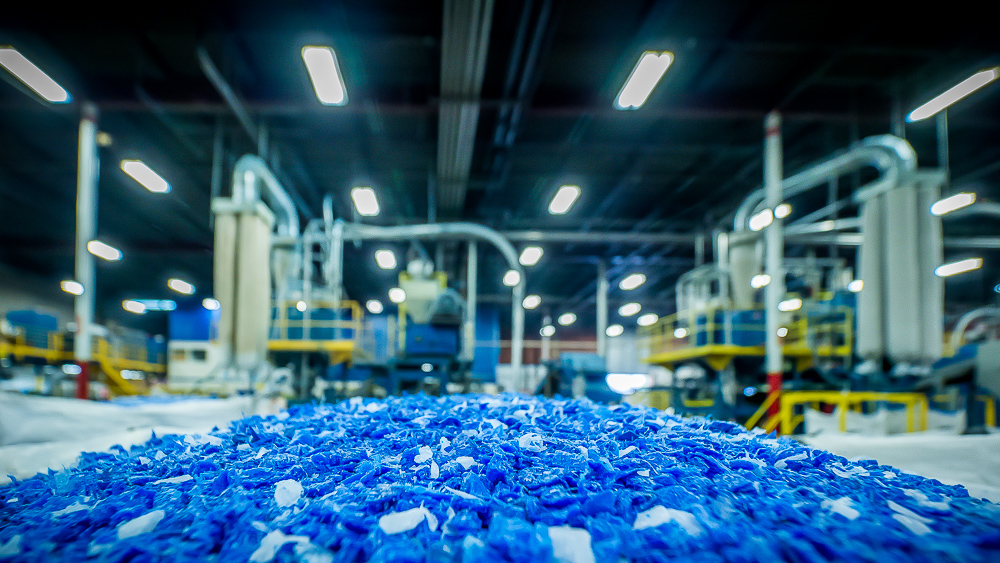
Advanced Petrochemicals Packaging manufacturing and quality testing at Mauser facility
UN X/Y/Z Certified Protection

Engineered Petrochemicals Packaging Recommendations

Explore our complete range of heavy-duty, chemical-resistant packaging solutions specifically engineered for bulk transport, intermediate storage, and retail distribution of volatile petrochemical fluids and solids.

UN-Certified Composite IBC for Petrochemicals Packaging
1,000L / UN 31HA1 / Group I, II & III

SM13 Composite Intermediate Bulk Containers (IBCs)

The benchmark for liquid petrochemical transport. Featuring a multi-layer High-Density Polyethylene (HDPE) inner bottle shielded by an anti-static tubular steel grid. Ideal for aggressive solvents, lubricants, and fuel additives. Optional EVOH gas-barrier layer reduces VOC permeation by over 99%.

  • • Available with 100% EVOH co-extruded barrier
  • • Heavy-duty steel or plastic pallet base options
  • • EX-Zone compatible grounding capabilities
Tight-Head Steel Drums for High-Flashpoint Petrochemicals Packaging
55-Gallon (216.5L) / UN Tight-Head Steel

Tight-Head Industrial Steel & HDPE Drums

Engineered for extreme hydraulic pressure resistance and thermal stability. Our tight-head steel drums feature internal phenolic coatings tailored to resist aromatic hydrocarbons, while our solid HDPE plastic drums offer immunity against rust and external chemical splash back.

  • • UN Rating up to X1.9 hydrostatic pressure
  • • High-performance Tri-Sure® closure systems
  • • Flame-retardant and thermal resistant design
Infinity Series PCR Petrochemicals Packaging Container
Infinity Series / Up to 50%+ rHDPE PCR Content

Sustainable PCR Tight-Head Jerrycans & Bottles

Pioneering circular economy in hazardous packaging. Our multi-layer co-extrusion technology embeds post-consumer recycled resin into the container core while keeping virgin material on the inner chemical-contact wall. Full UN certification for Packing Group II and III chemicals.

  • • Up to 35% reduced embedded carbon footprint
  • • High Environmental Stress Crack Resistance (ESCR)
  • • Capacities ranging from 5L to 30L
Heavy-duty pails for petrochemical greases and sealants
5-Gallon to 7-Gallon / UN-Solid Rated Pails

Heavy-Duty Plastic & Steel Pails

Designed for high-viscosity petrochemical derivatives such as lubricating greases, bitumen sealants, additives, and specialty waxes. Tamper-evident tinting and pour spouts prevent contamination and spill hazards during high-throughput industrial operations.

  • • Reinforced stacking rims for high warehouse density
  • • Gasketed lids: EPDM, Viton, or NBR options
  • • UN rating for hazardous solids and liquids
Industrial Tin Cans for Specialty Petrochemical Additives
0.5L to 20L / Metal Cans & Specialty Tins

Precision Industrial Metal Cans & Drums

Leak-proof metal containers crafted for specialized petrochemical solvents, brake fluids, and engine performance chemicals. Precision welded seams provide 100% barrier protection against light, oxygen, and moisture infiltration.

  • • Customized lithographic brand printing available
  • • Double-seamed top and bottom construction
  • • Internal epoxy-phenolic lining compatibility
Reconditioned UN IBC for Sustainable Petrochemical Transport
Global Recover Syst-M / UN Re-Certified

Reconditioned IBCs & Remanufactured Drums

Maximize eco-efficiency through our proprietary washing, washing-fluid treatment, and automated leak-testing systems. Reconditioned composite IBCs (washed or with new replacement inner bottle) provide original factory safety performance at a fraction of environmental impact.

  • • Hydrostatic leak testing to UN standards
  • • Full traceability via barcode tracking
  • • Lowers packaging Scope 3 carbon by ~65%

Petrochemicals Packaging Material Compatibility & Regulatory Matrix

Selecting appropriate containment requires matching chemical property profiles—such as flash point, vapor pressure, chemical aggressive index, and permeation rate—with suitable container wall metallurgy or polymer barriers. The technical matrix below provides an overview of containment selection across major petrochemical classes:

Petrochemical Sub-Category Typical Chemical Compounds Primary Hazard Class Recommended Container Specification Key Barrier / Closure Specs
Aromatic Hydrocarbons Benzene, Toluene, Xylene, Styrene UN Class 3 (Flammable Liquid) 55-Gal Steel Drum / EVOH Composite IBC Phenolic Lined / Fluorinated HDPE / Viton Gasket
Aliphatic Hydrocarbons Hexane, Heptane, Naphtha, Mineral Spirits UN Class 3 (Flammable Liquid) Multi-Layer HDPE Drums / Composite IBC Level 5 Fluorination or EVOH Barrier Layer
Lubricants & Base Oils Synthetic Motor Oils, Hydraulic Fluids, Gear Oils Non-Hazardous / Class 9 Infinity PCR Tight-Head / Standard IBC Up to 50%+ rHDPE PCR Resin / EPDM Gaskets
Petrochemical Additives Amines, Corrosion Inhibitors, Detergents UN Class 8 (Corrosive Liquid) Plastic Tight-Head Drums / Heavy-Duty IBC High Molecular Weight HDPE (HMW-HDPE)
Specialty Solvents Acetone, MEK, Isopropanol, Bitumen Solvents UN Class 3 / Class 6.1 Toxic Tight-Head Steel Drum / Composite IBC Heavy-Gauge Steel / UN X-Rated Hydrostatic Seal

E-E-A-T Technical Engineering Insight: Controlling Permeation and Paneling

When standard HDPE containers hold volatile petrochemical solvents, non-polar solvent molecules diffuse into the amorphous polymer matrix. This causes two major failure modes: permeation loss (VOC gas escaping through container walls) and paneling (vacuum creation inside the container as volatile vapors dissipate or dissolve into plastic, collapsing wall geometry). Mauser mitigates these issues by implementing continuous 6-layer co-extrusion technology with an inner EVOH gas barrier or in-line Fluorination (converting surface polymers into barrier fluoro-polymers), reducing solvent permeation rates to under 0.1 g/m²/day.

Inquire Now

Global procurement strategies in the energy and specialty chemical sectors are undergoing a structural transformation. Buyers are transitioning away from transactional, low-unit-cost purchasing toward strategic total lifecycle management. Key procurement trends shaping the industry include:

1. Mandatory Recycled Content Mandates & Scope 3 Decarbonization

Regulatory frameworks—such as the European Union’s Packaging and Packaging Waste Regulation (PPWR) and escalating corporate ESG disclosures—are establishing strict minimum thresholds for Post-Consumer Recycled (PCR) plastic content in industrial packaging. Global chemical enterprises are actively locking in multi-year supply contracts for high-purity, UN-tested recycled resins (such as Mauser's rHDPE resin), ensuring supply continuity while cutting Scope 3 carbon footprints by 25% to 40%.

2. Transition to Closed-Loop "Packaging-as-a-Service" Models

Procurement teams are decreasing their exposure to volatile virgin polymer prices by embracing reconditioning networks. Rather than purchasing single-use containers, chemical manufacturers utilize closed-loop fleet management. Under this model, dirty containers are collected from end-users, reconditioned to original UN certified standards, and returned to chemical filling lines, lowering long-term capital expenditure (CapEx) and operational friction.

3. Smart Packaging Telemetry & IoT Supply Chain Visibility

High-value petrochemical shipments—such as electronic-grade chemicals, catalyst precursors, and aviation additives—are increasingly paired with IoT-enabled smart composite IBCs. Integrated sensors monitor real-time GPS locations, internal temperature, pressure fluctuations, shock events, and liquid volume. This data prevents supply chain disruptions, ensures product integrity upon delivery, and automates reconditioning pick-up scheduling.

4. Harmonization of Global UN Safety & Electrostatic Standards

As cross-border chemical trade expands, procurement officers require single-specification packaging certified across multiple international regulatory regimes (DOT in North America, ADR in Europe, and IMDG for global maritime transport). Furthermore, to prevent static electricity discharge ignition hazards in explosive atmospheres (ATEX Zones 1 and 2), demand is surging for EX-rated composite IBCs with electrostatic outer layers and grounded valve configurations.


Global Petrochemicals Packaging supply chain network

Mitigate Supply Chain Disruptions with Local Inventory

With 170+ manufacturing facilities worldwide, Mauser ensures your petrochemical filling operations never face downtime. Secure your packaging supply chain with dedicated safety stock and localized technical support.

Inquire Now

Key Development Trends in Petrochemical Containment Systems

Continuous material science R&D is expanding the performance boundaries of rigid industrial containers. Key technological advances implemented by Mauser include:

Multi-Layer Co-Extrusion (CoEx)

Precision extrusion of up to 6 distinct polymer layers enables custom container profiles. By placing specialized barrier layers (like EVOH or nylon) between structural HDPE walls, packaging achieves extreme gas tightness without sacrificing mechanical impact strength.

Advanced Surface Fluorination

Controlled gas-phase fluorination modifies the molecular surface chemistry of HDPE, converting reactive hydrogen atoms into dense carbon-fluorine bonds. This creates a permanent, non-peeling barrier against non-polar petrochemical solvents and swelling agents.

High Molecular Weight Resin (HMW-HDPE)

Utilizing customized bi-modal resin grades with ultra-high molecular weight distribution provides superior Environmental Stress Crack Resistance (ESCR), preventing wall fatigue during long-distance multimodal transport over rough terrain.

Inquire Now

Frequently Asked Questions: Petrochemicals Packaging Engineering

Direct answers to technical, regulatory, and procurement questions commonly raised by global chemical sourcing managers and packaging engineers.

How do procurement managers select between UN 31HA1 Composite IBCs and 55-Gallon Steel Drums for aggressive aromatic petrochemical solvents?

Selection depends on chemical permeation rates, flash point, electrostatic charging risks, and logistical scale. UN 31HA1 composite IBCs (1,000L) reduce freight handling by 20-30% compared to four individual drums and offer high corrosion resistance against polar solvents. However, for aggressive aromatic hydrocarbons like toluene, xylene, or benzene, high-density polyethylene inner bottles require multi-layer EVOH gas barriers or Level 5 fluorination to prevent wall softening. Alternatively, tight-head 55-gallon steel drums with internal phenolic linings are specified when maximum vapor barrier integrity, fire-safety resistance, and thermal resistance during hot filling (above 80°C) are required.

What are the critical compliance criteria for UN-certified packaging handling dangerous petrochemical goods under ADR, DOT, and IMDG codes?

UN packaging compliance mandates rigorous hydraulic pressure testing (typically 100 to 250 kPa), drop testing from up to 1.9 meters under cryogenic conditions (-18°C), stack testing up to 28 days under 40°C thermal conditions, and chemical compatibility verification. Packaging must clearly display the permanent UN mark signifying:

  • Packing Group Suitability: X rating for Packing Group I (High Danger), Y rating for Packing Group II (Medium Danger), Z rating for Packing Group III (Low Danger).
  • Density Rating: Maximum relative liquid density tested (e.g., 1.9 g/cm³).
  • Hydrostatic Test Pressure: Gauge pressure sustained during leak proofness verification (e.g., 100 kPa).
Can Post-Consumer Recycled (PCR) HDPE resin packaging meet strict hazardous material transport standards for petrochemicals?

Yes, through multi-layer co-extrusion technology. Mauser integrates up to 50%+ PCR resin (Infinity Series) into the middle structural layer of plastic drums and IBC inner bottles while surrounding it with high-purity virgin resin or barrier layers on the product-contact inner wall. This hybrid geometry preserves physical impact resistance, environmental stress crack resistance (ESCR), and chemical inertness, enabling UN-certification for Packing Group II and III hazardous liquids while cutting Scope 3 embedded carbon emissions by up to 35%.

How does chemical permeation impact plastic petrochemical containers, and what barrier technologies prevent container degradation?

Non-polar petrochemical solvents like hexane, kerosenes, and heavy aromatic naphtha naturally diffuse into standard untreated HDPE, causing container swell, stress cracking, wall collapse (paneling), and loss of volatile organic compounds (VOCs). To counteract permeation, advanced solutions employ Fluorination (exposing inner HDPE surfaces to fluorine gas to form a dense fluoro-barrier layer) or multi-layer EVOH co-extrusion, which reduces hydrocarbon permeation rates by more than 99%, maintaining container rigidity and complying with strict EPA volatile emissions mandates.

What is the total carbon footprint reduction achieved by switching to reconditioned petrochemical packaging?

Reconditioning an industrial container (washing, de-labeling, replacing worn valves/liners, and high-pressure leak testing to UN re-certification standard) reduces lifecycle carbon emissions by approximately 60% to 75% compared to manufacturing a brand-new drum or IBC. By participating in global closed-loop recovery networks like Mauser's Recover Syst-M, chemical manufacturers divert plastic and steel from landfills, lower Scope 3 emissions, and decrease total container acquisition costs.

How does closed-loop packaging recovery handle hazardous petrochemical chemical residues safely and legally?

Closed-loop systems operate under strict environmental protection regulations (such as EPA RCRA empty container guidelines or EU waste codes). Returned packaging undergoes mechanized triple-rinsing using specialized bio-solvents, high-pressure water washing, optical inspection, ultrasonic wall thickness verification, and hydrostatic pressure testing. Contaminated wash waters are treated in closed-loop wastewater facilities, while non-reusable plastic components are shredded and washed into clean industrial flake for non-hazard structural applications.

Inquire Now

The Global Leader in Petrochemicals Containment Excellence

With more than 330 years of combined legacy experience, Mauser Packaging Solutions stands as the primary packaging engineering partner for the world’s leading petrochemical manufacturers, energy corporations, and lubricant blenders.

  • Unrivaled Global Network: Over 170 production and reconditioning facilities in 50+ countries provide supply chain security and consistent packaging quality worldwide.
  • State-of-the-Art Material Testing: In-house UN test laboratories perform drop tests, hydrostatic pressure verification, stack testing, and finite element stress modeling.
  • Circular Economy Pioneer: Comprehensive end-of-life collection (Recover Syst-M) and post-consumer resin processing close the loop on hazardous material packaging.
  • Custom Engineering Capabilities: Tailored valve selection, custom colors, anti-static inner bottles, and specialized closure liners designed for unique chemical formulations.
Mauser Packaging global facility operations
330+ Years Packaging Leadership

Ready to Upgrade Your Petrochemicals Packaging Specification?

Connect directly with our senior chemical packaging engineers to request UN technical specifications, chemical compatibility consultations, or bulk inquiry pricing.