Market Dynamics & Foresight
Key Industry Trends Shaping Global Pharmaceutical Packaging
The pharmaceutical packaging industry is undergoing a structural paradigm shift driven by biological therapeutics growth, stricter global regulatory mandates, digital supply chain integration, and urgent corporate sustainability commitments. Global buyers must align their procurement strategies with these core industry trends:
1. Expansion of Biologics and Cold-Chain Logistics Demands
Unlike traditional small-molecule drugs, biopharmaceuticals (such as mRNA therapies, monoclonal antibodies, and cell & gene products) are exquisitely sensitive to temperature fluctuations, mechanical shear, and container surface interactions. This shift has elevated the demand for temperature-controlled bulk containment, low-adsorption polymers, and container closure integrity (CCI) testing at cryogenic temperatures (-80°C to -196°C). Packaging manufacturers are increasingly integrating real-time telemetry (IoT sensors measuring temperature, tilt, and location) directly into secondary and tertiary packaging structures.
2. Stringent Quality by Design (QbD) and E&L Risk Mitigation
Regulatory bodies including the FDA, EMA, and NMPA are emphasizing Quality by Design (QbD) frameworks. For primary packaging and bulk API storage vessels, comprehensive Extractables and Leachables (E&L) profiling using high-resolution GC/MS and LC/MS instrumentation has become mandatory. Procurement teams no longer purchase generic containers; they specify exact resin formulations, additive packages (such as antioxidant and slip-agent limits), and gamma-sterilization validation data to ensure zero chemical interaction with active drug substances.
3. Integration of Smart Anti-Counterfeiting and Serialization Technologies
Pharmaceutical counterfeiting poses a multi-billion-dollar risk to global healthcare safety. Global regulations—such as the US Drug Supply Chain Security Act (DSCSA) and EU Falsified Medicines Directive (FMD)—mandate unit-level serialization across all packaging tiers. Modern pharmaceutical containers now incorporate multi-layered security features: tamper-evident break-away rings, holographic seals, micro-encapsulated covert taggants, and machine-readable 2D DataMatrix codes directly molded or laser-etched into rigid container bodies.
4. Transition to Sustainable, Circular Packaging Ecosystems
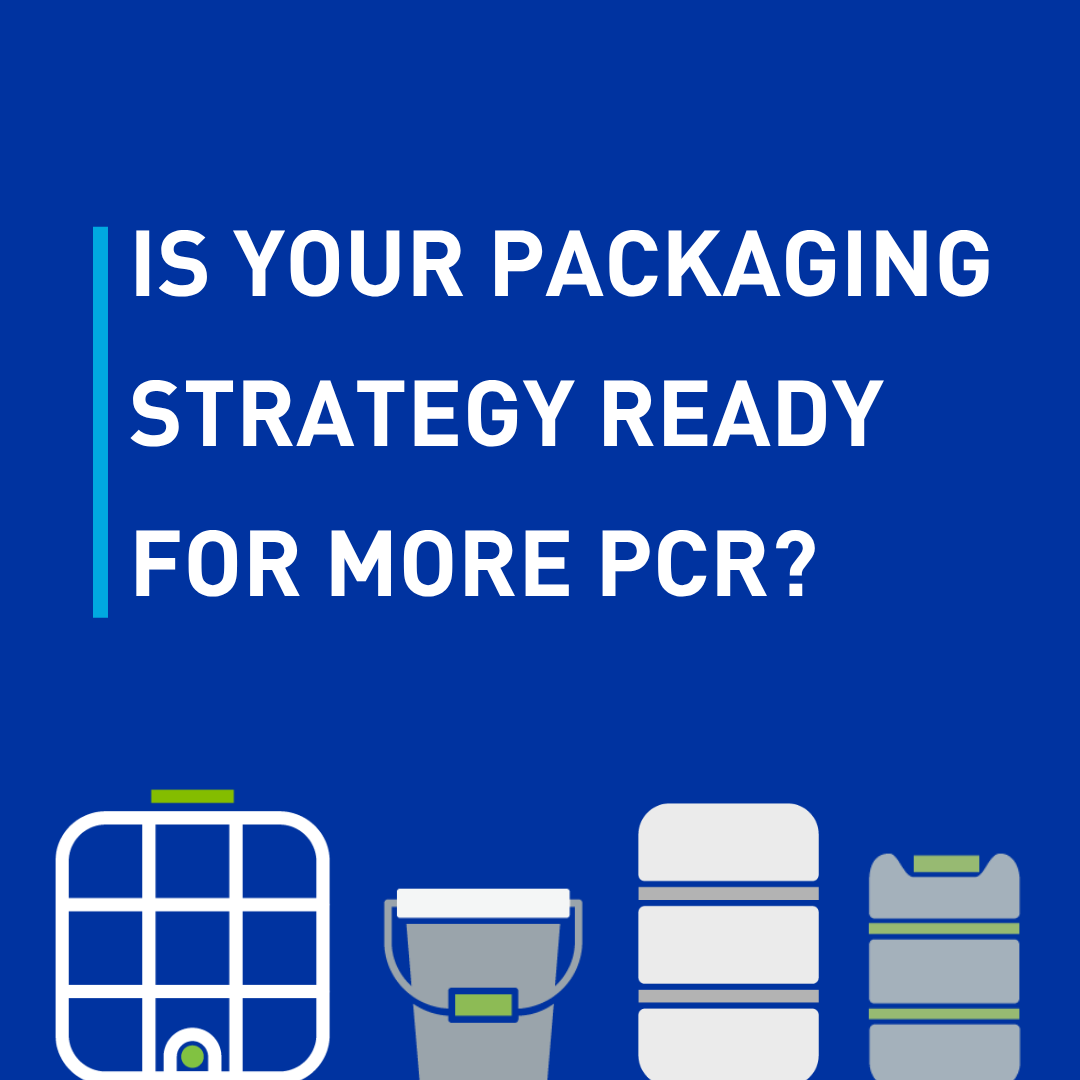
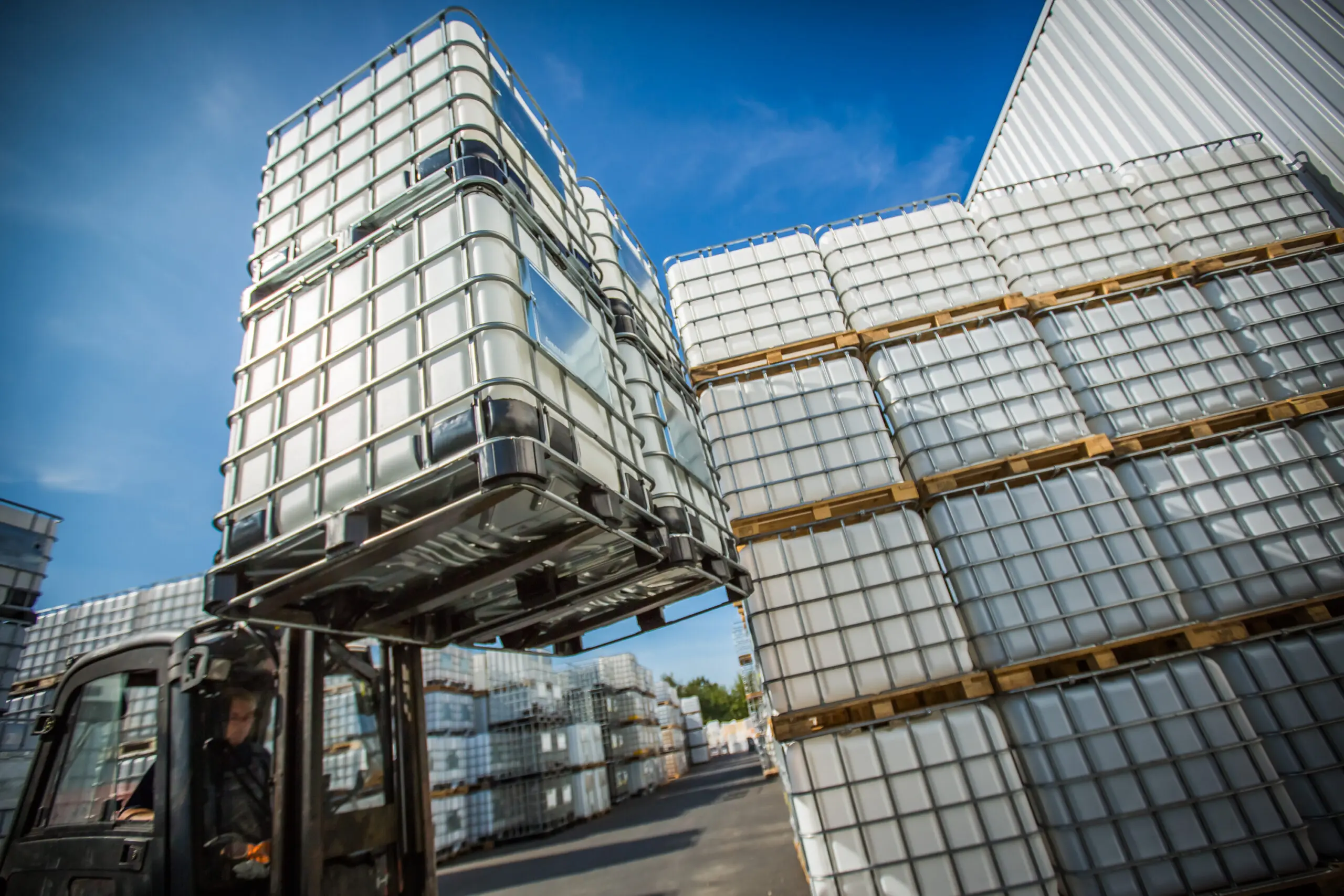
Life science companies are under immense pressure to reduce Scope 3 carbon emissions and eliminate single-use plastic waste. Historically, pharmaceutical packaging was exempt from recycled content mandates due to contamination risks. However, advanced chemical recycling (pyrolysis) and closed-loop industrial container reconditioning are enabling compliant sustainability. Cleanroom-washed and re-certified IBCs, combined with chemically recycled post-consumer resins (PCR) for secondary non-sterile packaging, allow pharmaceutical giants to achieve net-zero targets without sacrificing drug safety.