
Industrial Chemicals Packaging: UN Certification, Material Innovations & Procurement Excellence

An executive guide for chemical manufacturers, global procurement directors, and logistics leaders navigating complex regulatory compliance, hazardous substance containment, chemical compatibility, and sustainable circular economy frameworks.

Contact Us
UN Mark Certification (Packing Groups I, II, III)
ISO 9001, 14001 & 45001 Quality Assured
100% Traceable Closed-Loop Reconditioning

Navigating the Modern Landscape of Industrial Chemicals Packaging

In the global chemical process industry (CPI), selecting the right Industrial Chemicals Packaging is not merely a purchasing operational task—it is a critical risk-mitigation strategy. Whether transporting aggressive acids, high-purity solvents, reactive specialty compounds, or agricultural formulations, the primary container serves as the final barrier between hazardous substances and global supply chain ecosystems.

For over 330 combined years, Mauser Packaging Solutions has led the industrial rigid packaging sector by standardizing packaging safety across international transport modes (ADR, RID, IMDG, DOT 49 CFR, and ICAO). With an interconnected footprint of more than 170 manufacturing and reconditioning facilities worldwide, we provide chemical producers with local agility backed by unmatched global technical capacity.

330+
Years of Engineering Heritage
170+
Global Production & Service Sites
UN 31HA1
Highest Rated Bulk Chemical Containers
100%
Lifecycle Safety & Circularity Focus
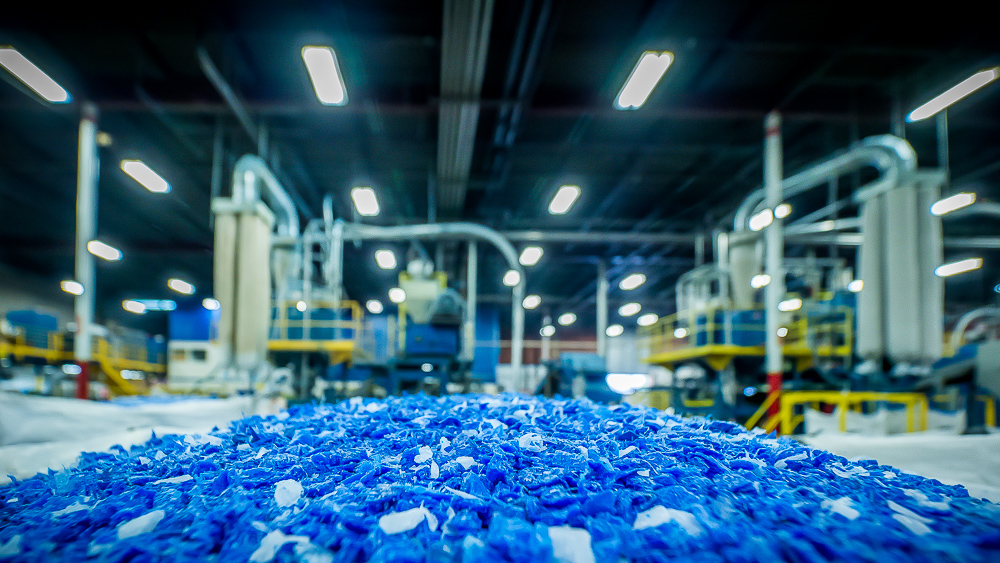
Mauser Industrial Packaging Manufacturing Facility for Chemical Drums and IBCs

Recommended Industrial Chemicals Packaging Configurations

Engineered to withstand physical shock, hydrostatic pressure, stack loading, and chemical permeation. Explore our high-performance containment portfolio customized for industrial chemical procurement.

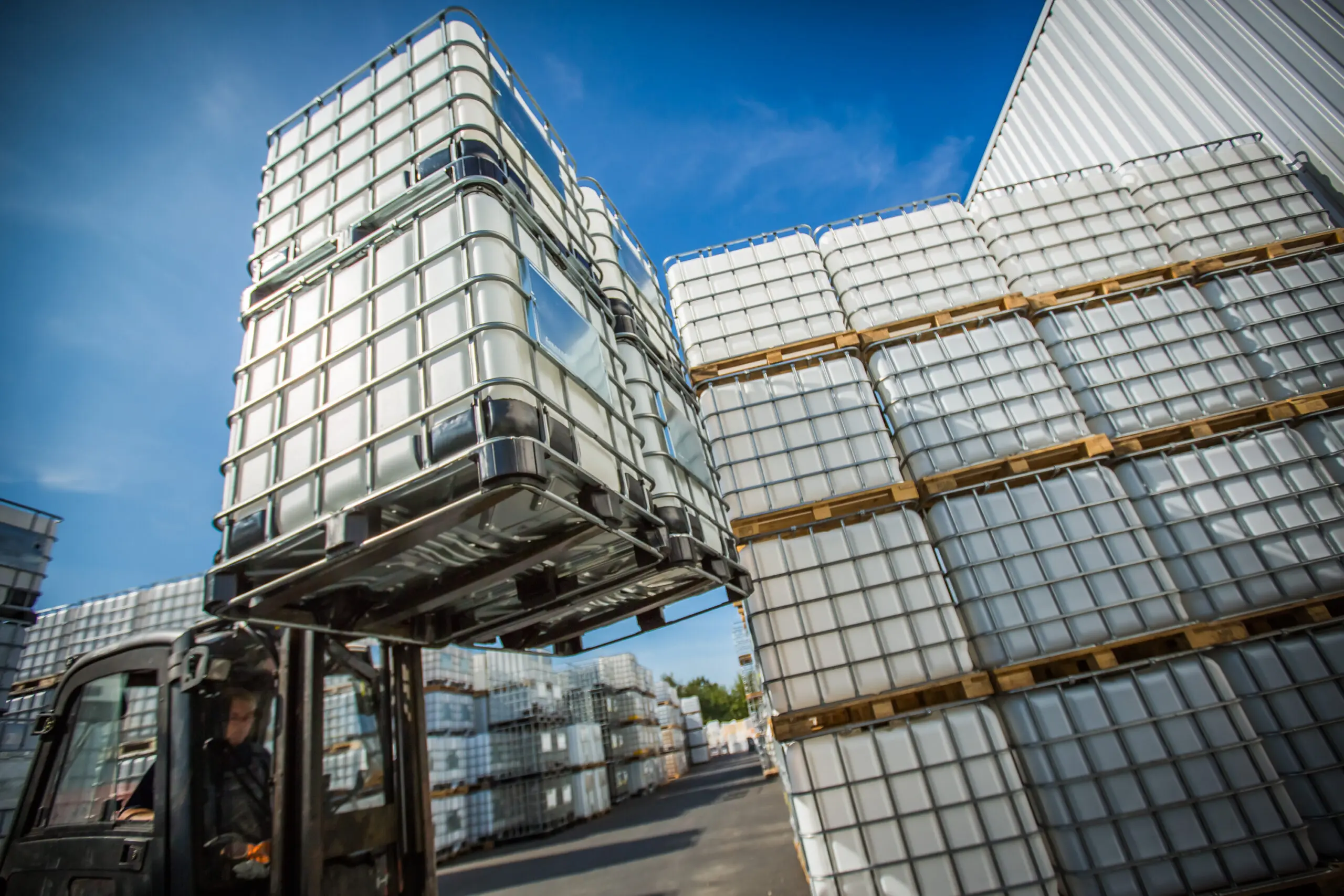
UN Approved Composite IBC Totes for Industrial Chemicals Packaging

Composite Intermediate Bulk Containers (IBCs)

Designed for bulk chemical transport. Featuring UV-stabilized High-Molecular Weight HDPE inner bottles encased in heavy-duty galvanized tubular steel grids. Available in 275-gallon (1000L) and 330-gallon (1250L) capacities with UN 31HA1/Y ratings for high-density hazardous liquids up to 1.9 specific gravity.

Industrial Steel Drums for Chemical Solvents and Flammables

Industrial Steel Drums (Tight-Head & Open-Head)

The benchmark for volatile organic compounds (VOCs), flammable solvents, petrochemicals, and high-purity fine chemicals. Manufactured with cold-rolled steel, featuring custom internal epoxy-phenolic linings, triple-seam construction, and UN 1A1/X or Y certifications for extreme safety compliance.

Post-Consumer Recycled Resin Plastic Jerrycans for Chemicals

Plastic Tight-Head Containers & Jerrycans

Ideal for medium-volume chemical dispensing (5L to 30L). Formulated from virgin HMW-HDPE or multi-layer Post-Consumer Recycled (PCR) resin with EVOH fluorination barrier options to prevent vapor transmission, paneling, and environmental stress cracking (ESCR).

Heavy Duty Plastic Chemical Pails and Buckets

Heavy-Duty Plastic Chemical Pails

Injection-molded HDPE pails designed for chemical powders, lubricants, resins, coatings, and adhesives. Featuring tamper-evident tear-skirt lids, rubber gasket seals, and ergonomic wire or plastic bail handles with UN 1H2 liquid/solid safety approvals.

Chemical Compatibility & Packaging Specification Matrix

Procurement decisions must align chemical properties with exact container engineering specifications. The table below details recommended packaging configurations based on hazard classification, density, and permeation risks.

Chemical Class / Category Primary Packaging Selection Material / Barrier Spec Typical UN Marking Key Performance Feature
Strong Acids (Hydrochloric, Nitric <65%) Composite IBC (SM Series) / HDPE Tight-Head 100% Virgin HMW-HDPE Inner Tank UN 31HA1/Y1.9 / UN 1H1/Y1.8 Corrosion immunity, zero metal contact
Volatile Organic Solvents (Toluene, Xylene) Tight-Head Steel Drum / EVOH Plastic Container Cold-rolled steel / EVOH Co-extrusion UN 1A1/X1.8/300 / UN 3H1/Y1.6 Vapor impermeability, static grounding
Oxidizing Agents & Peroxides Passivated Stainless Steel / Special HDPE IBC 316L Stainless / Degassing Valve Cap UN 31A/Y / UN 31HA1/Y1.9 Pressure-relief venting, anti-reactivity
Specialty Agrochemical Formulations PCR Multi-Layer Jerrycans (5L-20L) HDPE + Fluorinated Outer / PCR Core UN 3H1/Y1.4/150 Permeation barrier against solvent loss
Industrial Adhesives & Resins Open-Head Steel Drum / Removable Top IBC Internal Epoxy-Phenolic Liner UN 1A2/Y1.5/S / UN 31HA2/Y Full-open discharge, easy viscous payout

As global chemical supply chains evolve under economic volatility and escalating decarbonization pressures, procurement directors are shifting focus from simple initial purchase cost to holistic Total Cost of Ownership (TCO), risk mitigation, and circularity.

1. Scope 3 Decarbonization & Circular Sourcing

Global chemical producers are under strict mandates to report and reduce Scope 3 upstream and downstream emissions. Packaging procurement is transitioning rapidly toward closed-loop systems, reconditioned IBC totes, and containers manufactured with certified Post-Consumer Recycled (PCR) resin without compromising UN safety ratings.

2. Regionalized Dual-Sourcing & Nearshoring

Geopolitical disruptions and maritime freight bottlenecks have highlighted the vulnerabilities of single-source or long-distance packaging supply chains. Enterprise chemical buyers now require packaging suppliers with redundant manufacturing plants located within 250 miles of their chemical processing facilities.

3. Digital Fleet Telematics & Smart IBCs

The integration of low-power IoT tracking, RFID, and chemical telemetry into industrial IBC fleets allows buyers to monitor container location, fill levels, temperature, and shock events in real time, optimizing asset turnover rates and eliminating lost container fees.

Innovations in polymer physics, metallurgy, and surface modification are enabling thinner, stronger, and more chemically resistant packaging structures.

EVOH Co-Extrusion & In-Line Fluorination Alternatives

Traditional fluorination of plastic containers faces increasing scrutiny due to PFAS environmental regulations. Next-generation chemical packaging utilizes 6-layer co-extrusion technology incorporating Ethylene Vinyl Alcohol (EVOH) embedded between structural HMW-HDPE layers. This provides an absolute gas and hydrocarbon barrier, preventing chemical swell, container collapse, and organic vapor escaping into the atmosphere.

High Stress-Crack Resistance (ESCR) Polymer Blends

Industrial detergents, surfactants, and agricultural emulsifiers tend to accelerate Environmental Stress Cracking (ESC) in standard polyethylene. Modern chemical containers utilize bimodal resin grades with optimized molecular weight distribution, yielding exceptional ESCR performance under elevated transport temperatures.

Advanced Chemical Packaging Materials and Engineering Innovation
Global Chemical Packaging Network Mauser Local Sourcing

Unmatched Reliability, Quality Assurance & Closed-Loop Infrastructure

Mauser Packaging Solutions provides an end-to-end industrial packaging ecosystem. We do not simply supply containers; we manage the entire packaging lifecycle—from custom design and UN certification testing to global return collection, washing, reconditioning, and resin recycling.

  • 170+ Facilities Worldwide ensuring local supply chain continuity
  • Dedicated Recover Syst-M for worldwide empty container pickup
  • Full compliance with ISO 9001 quality and ISO 14001 eco-management
Contact Us

Frequently Asked Questions: Industrial Chemicals Packaging

Direct answers to technical, regulatory, and procurement questions commonly encountered by chemical plant managers, packaging engineers, and supply chain executives.

How do I determine whether to choose Steel Drums or Composite IBCs for volatile organic solvents?

The choice depends primarily on batch volume, flashpoint, vapour pressure, and static dissipation requirements. Steel Drums (Tight-Head UN 1A1) are ideal for high-volatility, low-flashpoint solvents (Class 3 Flammables) where absolute vapor tightness and 100% electrical grounding are mandatory. Composite IBCs (UN 31HA1) offer significant volumetric efficiency for larger volumes (1000L replacing five 208L drums), lower freight cost per liter, and integrated discharge valves. For flammable applications, anti-static or conductive outer layer IBCs equipped with grounding cables must be specified.

What UN Packaging Groups apply to hazardous industrial chemicals?

The UN dangerous goods code classifies hazardous chemicals into three packing groups based on the degree of danger:

  • Packing Group I (Great Danger - Marked 'X'): High hazard (e.g., concentrated hydrofluoric acid, toxic cyanides). Requires extreme drop-test, pressure, and stack performance ratings.
  • Packing Group II (Medium Danger - Marked 'Y'): Medium hazard (e.g., flammable liquids, strong corrosive acids like Nitric Acid <65%).
  • Packing Group III (Minor Danger - Marked 'Z'): Low hazard (e.g., mild corrosive liquids, certain agrochemical mixtures).

Mauser manufactures packaging certified across all three UN packing group categories.

Can Post-Consumer Recycled (PCR) resin plastic containers be UN-certified for chemical transport?

Yes. Through advanced multi-layer co-extrusion technology, recycled industrial plastics (PCR) are sandwiched between inner virgin chemical-contact layers and outer protective skins. This structure retains 100% chemical compatibility while meeting stringent UN drop, hydrostatic pressure, and stack load tests. Utilizing PCR resin helps chemical manufacturers reduce carbon footprints without compromising container integrity.

What is the difference between a reconditioned IBC and a washed empty IBC tote?

A washed tote is simply cleaned by a third party without formal quality inspection or recertification. A Reconditioned IBC from Mauser undergoes rigorous structural inspection, high-pressure automated washing, leak-proof testing, valve replacement, and UN safety recertification. When an inner bottle cannot be restored to regulatory standards, a brand-new inner tank is inserted into the cleaned steel cage (a process known as re-bottling), providing a 100% reliable container at a lower cost and smaller carbon footprint.

How does permeation resistance work in High-Density Polyethylene (HDPE) chemical containers?

While HDPE is resistant to aqueous acids and bases, non-polar organic solvents (such as xylene, hexane, or agrochemical active ingredients) can slowly permeate polymer chains, causing weight loss, paneling, or container softening. To stop permeation, Mauser applies either in-line fluorination surface treatment or EVOH multi-layer barrier co-extrusion, creating an impermeable shield against organic vapor escape.

What documentation is mandatory for international ocean shipment of chemical packaging under IMDG regulations?

International maritime dangerous goods (IMDG) shipments require a valid UN Packaging Certificate issued by an accredited testing authority, a Dangerous Goods Declaration (DGD), Material Safety Data Sheets (MSDS/SDS), and proper UN hazard diamond labeling on every container. All Mauser UN-certified containers are permanently embossed with official UN codes for rapid customs clearing.

How to prevent Environmental Stress Cracking (ESCR) when packaging industrial detergents or surfactants?

Surfactants lower the surface tension of plastic polymers, making standard polyethylene susceptible to microscopic stress cracking over time. ESCR failure is prevented by specifying container grade High-Molecular Weight HDPE (HMW-HDPE) with a bimodal molecular structure. Our engineering teams perform ESCR laboratory testing under accelerated thermal conditions to guarantee zero failure during storage and transit.

What are the commercial benefits of implementing a closed-loop IBC return program?

A closed-loop return program allows chemical suppliers to collect empty IBCs directly from their end-customers via Mauser’s Recover Syst-M. This eliminates disposal burdens for buyers, reduces virgin packaging procurement expenses by up to 30%, guarantees raw material circularity, and provides audited carbon reduction metrics for ESG compliance reporting.

Ready to Secure UN-Certified & Sustainable Chemical Containers?

Connect directly with our senior industrial chemical packaging engineers. We provide technical compatibility reviews, custom container sampling, regulatory compliance audits, and global supply agreements tailored to your operating locations.

Contact Us