As the demand for sustainable packaging solutions rises, the market for Industrial Steel Drums is expected to grow significantly. According to a recent report by Smith & Associates, the global market for steel drums is projected to reach $12 billion by 2026. This growth is driven by their durability and recyclability, making them ideal for hazardous materials and bulk storage.
Industry expert Dr. Emily Turner notes, "Industrial Steel Drums provide a safe and reliable option for transporting goods across various sectors." Her insights emphasize the importance of quality standards, with many manufacturers focusing on compliance with environmental regulations. Buyers should consider factors like size, weight, and certification before purchasing these drums.
However, not all products meet the same standards. A thorough evaluation of suppliers is necessary. Many companies claim to provide high-quality Industrial Steel Drums, but discrepancies in manufacturing processes exist. Potential buyers must engage in careful research. Understanding these dynamics is crucial for making informed decisions in this evolving market.
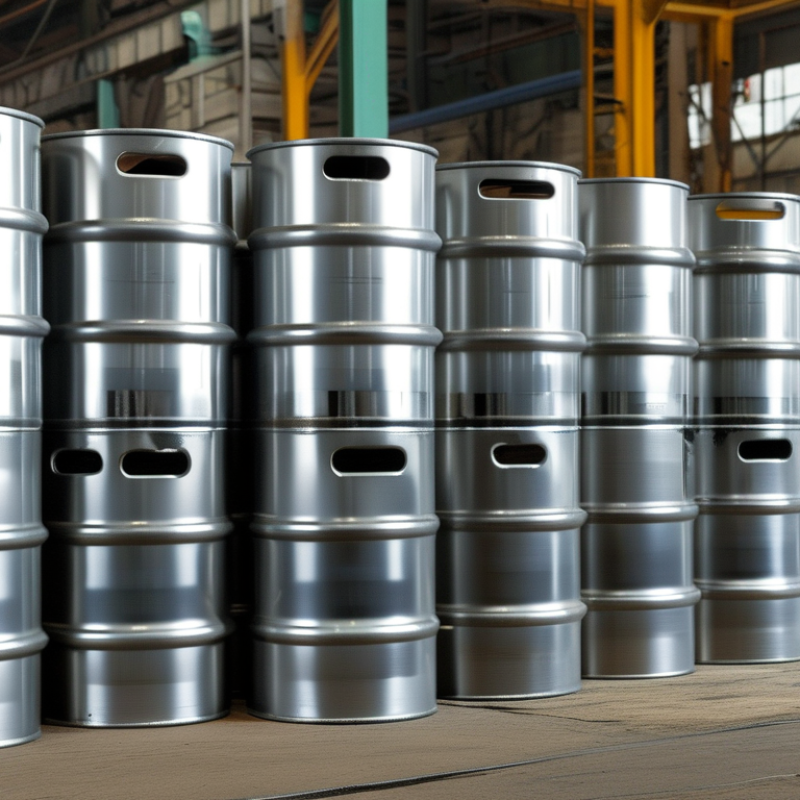
Best Industrial Steel Drums: A Comprehensive Overview for Buyers in 2026
As industries grow, the demand for reliable steel drums increases. In 2026, buyers should focus on quality features that enhance functionality. Industrial steel drums are essential for transporting various materials, including chemicals and food products. Selecting the right drum involves understanding its specifications, like size and thickness. Buyers should also consider the drum's compatibility with its contents, as certain materials may react negatively.
When choosing a steel drum, check for certifications and quality standards. Reliable manufacturers adhere to safety regulations and provide documentation. This ensures the durability and integrity of the drums. Pay attention to the drum’s sealing mechanism as it can affect leakage prevention. Not all sealing systems are created equal, and some may become less effective over time.
Keep in mind the cost versus quality. It may be tempting to opt for cheaper options, but lower-quality drums can lead to costly spills. Assess your needs carefully to avoid overspending while still getting the best product. Regular maintenance is vital too. Inspect drums for any signs of wear or damage before use. This vigilance can prevent potential accidents and ensure safety in your operations.
Key Specifications: Evaluating Dimensions, Capacities, and Weights
When selecting industrial steel drums, dimensions, capacities, and weights are essential factors to consider. These specifications greatly influence the usability and efficiency of the drums in various applications. For instance, common dimensions range from 30 gallons to 55 gallons, accommodating different storage needs. Steel drum weights can vary, with an empty drum typically weighing between 30 to 50 pounds, depending on its construction.
Choosing the right capacity is crucial for your operations. Overfilled drums pose safety risks and can lead to product loss. Allow for expansion, especially with liquids. Additionally, smaller drums may be more manageable and easier to handle. However, larger drums could offer better bulk storage solutions, reducing the frequency of handling.
When evaluating options, always consider your specific needs. Are you storing hazardous materials or food products? Do you require access on-site? The answers will guide your selection. Remember, poorly chosen drums can lead to inefficiencies. Invest time in understanding the requirements. Check the weight limits and ensure compatibility with handling equipment. Be mindful of transportation logistics as well. A cattle inventory reflects your operational success.
In the end, choosing the best industrial steel drum is about more than just specs; it’s about ensuring safety and efficiency in your operations.
Material Quality: Understanding Steel Grades and Corrosion Resistance
When considering industrial steel drums, material quality is critical. Different steel grades offer varying levels of strength and corrosion resistance. For example, mild steel may suffice for certain applications, but it lacks resistance to harsh environments. On the other hand, stainless steel grades, like 304 and 316, exhibit excellent durability against corrosive substances. Understanding these differences helps buyers make informed choices.
Corrosion resistance depends not just on the steel grade but also on the environment. Drums exposed to moisture or chemicals can degrade rapidly if not properly treated. Galvanization and protective coatings can enhance longevity. However, these treatments may wear over time, leading to potential vulnerabilities. Regular inspections are essential to assess the condition of drums and ensure they meet safety standards. Buyers should weigh these factors alongside cost, aiming for a balance of quality and budget considerations in their purchasing decisions.
Market Trends: Forecasting Global Demand and Supply in 2026
The industrial steel drum market is poised for significant growth by 2026. Analyzing recent trends reveals a rising demand driven by various sectors, including chemicals and food. The sustainability movement is also influencing buyers' choices, prompting a shift towards recyclable materials in drum manufacturing. These trends suggest a complex interplay between tradition and innovation in industrial supply chains.
Global supply dynamics will likely affect availability. Regions rich in natural resources may ramp up production to meet burgeoning demand. However, potential disruptions in transportation and geopolitical tensions could create unforeseen challenges. Buyers should be prepared for fluctuations in pricing as these factors play out.
A crucial aspect often overlooked is the quality control during the manufacturing process. Subpar products can lead to significant losses and safety hazards. While many manufacturers strive for excellence, there are instances of lapses. Buyers must engage with suppliers who demonstrate a commitment to quality standards. Establishing clear communication can mitigate risks and enhance reliability in supply chains. This approach ensures that as demand shifts, supply remains secure.
Cost Analysis: Price Points and Economic Factors Influencing Purchases
When considering industrial steel drums, buyers need to analyze cost factors keenly. Pricing is influenced by several elements, including raw material costs and labor dynamics. The market has shown fluctuations that can impact overall expenditure. Steel prices have been on an unpredictable path, influenced by global demand and supply chains. This unpredictability makes it crucial for buyers to stay informed.
Economic factors also play a significant role. Shipping costs, tariffs, and trade policies can heavily influence pricing. For example, a rise in transport costs can lead to higher prices for drums. Even subtle changes in regional economies can affect local manufacturers' output and pricing strategies. Buyers must keep an eye on these trends.
It’s important to consider that while cheaper options may seem attractive, they can come with trade-offs. Quality and durability are essential for industrial applications. A low price might indicate compromised material standards, leading to potential issues down the line. Investing in a reliable product often proves beneficial despite higher upfront costs. Each purchasing decision should weigh these economic factors against the anticipated needs and challenges.
Sustainability Practices: Eco-Friendly Options and Recycling in Steel Drum Use
The use of steel drums in various industries has evolved, particularly with growing concerns for sustainability. In 2023, the steel production industry generated about 1.9 billion metric tons of CO2 emissions. Adopting eco-friendly practices in the manufacturing and recycling of steel drums can significantly reduce this carbon footprint. Recycled steel requires about 74% less energy compared to producing new steel, making it a crucial component for sustainable operations.
Manufacturers are now prioritizing the use of recycled materials in their steel drum production. This change aligns with global sustainability goals and appeals to environmentally conscious buyers. In 2022, approximately 50% of new steel used in drums was recycled, signaling a robust trend in the industry. However, challenges remain in ensuring effective recycling processes and logistics. Not all regions have the infrastructure needed for efficient recycling, which can lead to waste.
Consider sourcing steel drums from suppliers committed to green practices. Look for certifications related to sustainability. Engage with suppliers who prioritize end-of-life recycling for their products. It’s essential to ask about their processes and the percentage of recycled content. Choosing steel drums with a track record of eco-friendly use cultivates responsible consumption. Small steps can contribute significantly to reducing the environmental impact of industrial operations.
Best Industrial Steel Drums for Global Buyers in 2026
FAQS
: Focus on size, thickness, and compatibility with contents. Certain materials may react negatively.
Certifications ensure safety and adherence to quality standards. They indicate the drum's reliability and durability.
The sealing mechanism is crucial for preventing leaks. Different systems have varying effectiveness over time.
Pricing is affected by raw material costs, labor dynamics, and shipping expenses. Stay informed about market trends.
Regularly inspect for wear or damage. This vigilance can prevent accidents and ensure safety during operations.
Lower-quality drums may result in spills and safety hazards. The upfront savings might lead to higher long-term costs.
Rising demand in chemicals and food sectors drives growth. Sustainability is pushing for more recyclable drum options.
Geopolitical tensions and transportation disruptions can lead to supply fluctuations. Be prepared for potential market volatility.
Clear communication helps mitigate risks and enhance reliability. It ensures quality and consistency in supply chains.
Conclusion
The article titled "Best Industrial Steel Drums for Global Buyers in 2026" provides a thorough overview for prospective buyers in the upcoming market. It highlights essential specifications such as dimensions, capacities, and weights, helping buyers select the right industrial steel drums for their needs. A detailed examination of material quality addresses the importance of understanding steel grades and corrosion resistance, which are critical factors in ensuring durability and longevity.
Furthermore, the article discusses market trends, forecasting global demand and supply for 2026, while also analyzing price points and economic factors that influence purchasing decisions. Lastly, it emphasizes sustainability practices, showcasing eco-friendly options and the importance of recycling in the use of industrial steel drums. This comprehensive guide equips buyers with the necessary knowledge to make informed decisions in a competitive market.