
News & Industry Insights

Industrial Packaging Knowledge Hub

Discover the latest industry trends, technical updates, circular economy solutions, and expert commentary from Mauser Packaging Solutions.

Sustainability & Innovation

Advancing Sustainable Industrial Packaging

Learn how PCR resin integration, IBC reconditioning, and smart fleet management are shaping the future of global supply chains.

0%

Buying Post-Consumer Recycled PCR Resin in 2026 requires more than comparing price per kilogram. Buyers must examine feedstock origin, polymer type, melt-flow consistency, contamination limits, traceability, and certification. A clear specification prevents expensive surprises, especially when black flakes, odor, moisture, or inconsistent color appear during production.

The OECD’s Global Plastics Outlook reported that only 9% of global plastic waste was recycled in 2019. That figure exposes the supply challenge. Demand is rising faster than dependable material quality in several markets. The Ellen MacArthur Foundation’s Global Commitment reports also continue to emphasize recycled-content targets and better packaging circularity. However, targets alone do not guarantee usable resin. They can create pressure without solving collection, sorting, and processing weaknesses.

Tom Szaky, founder and CEO of TerraCycle, has said, “There is no such thing as waste, only stuff in the wrong place.” His observation applies directly to Post-Consumer Recycled PCR Resin. A used bottle becomes valuable only after controlled collection, advanced sorting, washing, pelletizing, and testing. Buyers should request recent COAs, batch samples, recycled-content evidence, and production references. Ask difficult questions.

A practical purchasing review should compare virgin-resin substitution rates, odor performance, color tolerance, and long-term supply capacity. Certification matters, but it is not a complete quality guarantee. Even experienced buyers can underestimate seasonal variation or regional feedstock limits. This guide explains how to evaluate suppliers, verify claims, negotiate specifications, and build a more reliable PCR resin sourcing strategy for 2026.
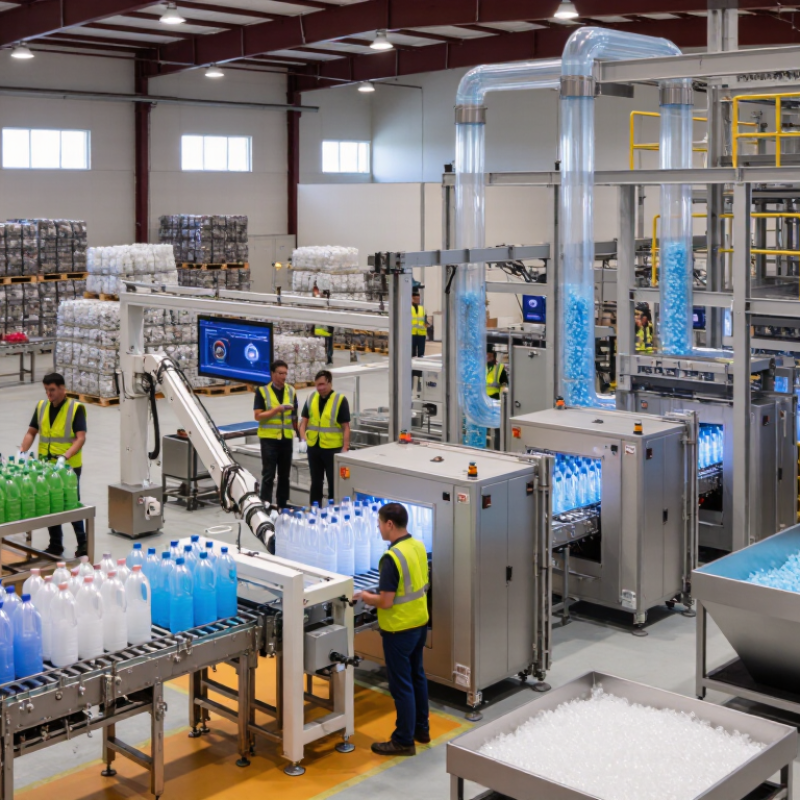
How to Buy Post Consumer Recycled PCR Resin in 2026?

Define Your PCR Resin Requirements and Sustainability Targets

How to Buy Post Consumer Recycled PCR Resin in 2026?

Define Your PCR Resin Requirements and Sustainability Targets

Start with the product, not the resin catalogue. Define the polymer, grade, color, melt flow range, odor limit, and contamination tolerance. A clear specification should state whether you need flakes, pellets, or a compound. It should also separate post-consumer recycled content from post-industrial material.

These materials are not interchangeable.

Set a measurable sustainability target. Specify PCR content by mass, the baseline year, and the annual purchasing volume. For example, a buyer may require 30% PCR in a non-food container by 2027. Track kilograms purchased, not only percentage claims.

The OECD’s Global Plastics Outlook reports that only 9% of global plastic waste was recycled in 2019. Supply will remain constrained for consistent, high-quality feedstock.

Ask suppliers for documented origin, sorting processes, test results, and chain-of-custody records. Verify tensile strength, impact performance, moisture, ash, and volatile content before approval.

ISO 14021 provides guidance for credible recycled-content claims. EN 15343 also supports recycled-content traceability in plastics. Independent testing is worth the cost.

One overlooked odor issue can reject an entire production lot. Targets can look impressive and still fail at the loading dock.

Leave room for reformulation, because PCR quality may vary between batches. That uncomfortable detail is often ignored.

Identify Suitable PCR Resin Types, Grades, and Performance Specifications

How to Buy Post Consumer Recycled PCR Resin in 2026?

Choosing PCR resin starts with the product, not the supplier’s price. PET suits bottles and clear thermoforms, while HDPE supports containers requiring stiffness and chemical resistance. PP works well for caps, household packaging, and durable molded parts. Flexible films may require recycled LDPE or LLDPE grades. The wrong polymer creates processing trouble quickly.

Match the resin grade to measurable performance specifications. Check melt flow rate, density, moisture, ash, color, odor, and contamination levels. PET buyers should also review intrinsic viscosity and acetaldehyde control. HDPE and PP applications may need tensile strength, impact resistance, ESCR, and shrinkage data. Ask for batch testing and chain-of-custody records. One certificate is not enough.

The OECD Global Plastics Outlook reported that only 9% of global plastic waste was recycled in 2019, leaving quality consistency as a serious purchasing issue. The Ellen MacArthur Foundation’s 2023 Global Commitment progress report also showed uneven progress toward recycled-content targets. Request trial pellets before signing a long contract. Test them on your actual extruder or injection machine. A lower-cost grade may fail through unstable melt flow, gray color, or unpleasant odor. That mistake is expensive. Specifications can still miss seasonal variation, sorting changes, or moisture exposure. Build an acceptance range, not just one ideal number.

Evaluate Suppliers, Certifications, Traceability, and Material Quality

How to Buy Post Consumer Recycled PCR Resin in 2026?

Buying post-consumer recycled PCR resin in 2026 requires evidence, not attractive claims. Define the polymer, source, color, melt flow rate, and end-use requirements before requesting quotes. A reliable supplier should provide recent test reports, production records, and a clear explanation of its collection and sorting process. Ask whether recycled content is measured by mass balance or physical segregation. These methods are not interchangeable.

Certification can support trust, but it should not replace your own checks. Request current certificates, scope documents, audit dates, and transaction records. Confirm that the certificate covers the exact facility and material grade. Traceability should connect incoming bales to processed pellets and shipment documents. I have seen promising samples fail because the lot history was incomplete. That gap matters.

Tips:

Compare at least three suppliers using the same specification sheet. Test samples for moisture, ash, contamination, odor, color, density, and melt flow. Keep sealed retain samples from every approved lot. Ask how nonconforming material is isolated. Visit the facility when volume justifies the cost; photographs are useful, but limited. Review change-control procedures for feedstock, additives, and processing conditions. Do not rely on one laboratory result. Repeat critical tests independently. PCR resin can vary between lots, even under a strong quality system. Build tolerance limits into the purchase agreement, then review them after real production. Some assumptions will be wrong. That is normal; document them and improve the specification.

Compare Pricing, Minimum Orders, Lead Times, and Contract Terms

Buying post-consumer recycled PCR resin in 2026 requires more than comparing the quoted price per tonne. Ask whether the figure includes testing, packaging, inland transport, and import costs. Recycled content, polymer type, color, odor, and filtration quality can change the price sharply. Cheap is not always cheap. Compare the landed cost, not the headline number.

Minimum orders deserve careful attention. Some suppliers may accept one or two tonnes for a trial, while regular production may require a full truckload. Confirm whether different colors or grades can be combined. Samples expose hidden problems. Request a recent technical data sheet, contaminant limits, moisture results, and melt-flow data. A small laboratory test can prevent a costly production stoppage. Still, test results may not represent every batch, so batch approval rules matter.

Lead times should cover sampling, production, quality release, and freight. Ask for normal and peak-season schedules, then add a practical buffer. Contract terms can include fixed pricing, index-linked adjustments, or quarterly reviews. Each option carries risk. Define acceptable variation in color, odor, moisture, and mechanical performance. State the inspection period and remedy for rejected material. Get it in writing. I would also question volume commitments that seem attractive but restrict flexibility. A lower price may hide storage pressure, payment risk, or unused resin. Review payment terms, allocation promises, delivery penalties, and renewal clauses before signing.

Order Samples, Verify Compliance, and Establish Ongoing Supply Controls

How to Buy Post Consumer Recycled PCR Resin in 2026?

Buying post-consumer recycled PCR resin starts with physical samples, not a polished spreadsheet. Request several kilograms from the intended production lot. Start small. Inspect color, odor, moisture, melt flow, density, and visible contamination. Run your own molding or extrusion trial. A small sample can hide seasonal variation. In one pilot, the first pellets processed smoothly, while the second batch produced uneven surfaces. Ask for the technical data sheet, safety documentation, recycled-content statement, and chain-of-custody records. Confirm whether “post-consumer” applies to the full blend or only one fraction.

Verify compliance before approving a purchase order. Match the resin grade with the final product, processing temperature, applicable requirements, and customer specifications. Require test methods, laboratory dates, and acceptance limits, not vague claims. Independent testing can check recycled content, restricted substances, odor, and mechanical performance. Certificates matter, but they do not replace lot testing. Keep a signed approval sample. Photograph its packaging and label.

Establish supply controls for routine deliveries. Define lot numbers, moisture limits, melt-flow ranges, color tolerance, packaging condition, and rejection procedures. Test every incoming lot at a risk-based frequency. Increase checks after process changes or complaints. Track results in a supplier scorecard and review them quarterly. PCR supply is rarely perfectly uniform. Build a practical adjustment window, but do not normalize unexplained drift. We missed that distinction once. Retained samples, corrective-action records, and regular production calls improve traceability when performance shifts.

How to Buy Post-Consumer Recycled PCR Resin in 2026

EU minimum recycled-content targets provide a practical compliance benchmark when evaluating PCR resin suppliers. Confirm the applicable packaging category, request samples, verify recycled-content documentation, and establish ongoing batch-level supply controls.

Data source: Regulation (EU) 2025/40 on packaging and packaging waste, Article 7. Percentages represent minimum recycled-content targets for plastic packaging in 2030 and 2040; specific exemptions and calculation rules apply.

FAQS

How do I choose the right PCR resin type?

Choose based on the product and processing method. PET suits bottles and clear thermoformed items. HDPE offers stiffness and chemical resistance. PP fits caps, household packaging, and molded parts. Flexible films may need recycled LDPE or LLDPE. The wrong polymer can quickly cause processing problems.

Which specifications should I check before buying PCR resin?

Review melt flow rate, density, moisture, ash, color, odor, and contamination. PET buyers should also check intrinsic viscosity and acetaldehyde control. Other applications may require tensile strength, impact resistance, ESCR, or shrinkage data. One number is not enough.

Why should I test PCR resin on my own equipment?

A supplier sample may process differently from your production lot. Run pellets through the actual extruder or injection machine. Watch for unstable flow, gray color, odor, rough surfaces, and visible specks. A small trial can reveal expensive problems. I would not skip this step.

What documents should a PCR supplier provide?

Request recent test reports, production records, safety documents, recycled-content statements, and chain-of-custody records. Confirm the certificate covers the exact facility and material grade. Ask how incoming materials become finished pellets. Attractive claims are not evidence.

How can I compare different PCR suppliers fairly?

Send every supplier the same specification sheet. Compare at least three offers using identical requirements. Test moisture, ash, contamination, odor, color, density, and melt flow. Also review how nonconforming material is isolated. Price alone can mislead.

How do I confirm that the material is genuinely post-consumer recycled?

Ask whether the recycled content applies to the full blend or only one fraction. Confirm the accounting method, such as physical segregation or mass balance. Review transaction records and traceability documents. Independent testing can provide additional confidence. Still, records may contain gaps.

What should I include in a PCR resin purchase agreement?

Define lot numbers, moisture limits, melt-flow ranges, color tolerance, packaging condition, and rejection procedures. Include accepted test methods and laboratory dates. Set practical tolerance ranges instead of one perfect value. Seasonal changes and sorting differences can affect consistency.

How should I control PCR resin quality after approval?

Test incoming lots using a risk-based schedule. Increase testing after process changes, complaints, or unusual results. Keep sealed retain samples from approved lots. Record findings in a supplier scorecard and review them quarterly. Do not normalize unexplained drift. That deserves investigation.

Conclusion

Buying Post-Consumer Recycled PCR Resin in 2026 requires a structured approach that connects sustainability goals with practical production needs. Start by defining the required recycled content, application, color, processing method, and performance standards. Then identify suitable PCR resin types and grades, such as materials designed for injection molding, extrusion, or film production. Key specifications may include melt flow, strength, impact resistance, moisture level, odor, and consistency between batches.

Next, evaluate suppliers based on certifications, traceability systems, processing capabilities, and quality-control procedures. Compare total costs, minimum order quantities, lead times, payment conditions, and contract flexibility rather than focusing only on the quoted price. Before making a long-term commitment, request samples and conduct testing for performance, regulatory compliance, contamination, and compatibility with existing equipment. Establish ongoing supply controls through agreed specifications, batch documentation, inspection procedures, and regular supplier reviews. This approach helps buyers secure reliable Post-Consumer Recycled PCR Resin while supporting measurable sustainability targets and stable manufacturing operations.

Liam

Liam

Liam is a seasoned marketing professional with an exceptional understanding of our company’s products and services. With years of experience in the industry, he excels at translating complex technical details into accessible and engaging content for our audience. He is responsible for regularly......