
News & Industry Insights
Industrial Packaging Knowledge Hub
Discover the latest industry trends, technical updates, circular economy solutions, and expert commentary from Mauser Packaging Solutions.
Sustainability & Innovation
Advancing Sustainable Industrial Packaging
Learn how PCR resin integration, IBC reconditioning, and smart fleet management are shaping the future of global supply chains.
China Top Intermediate Bulk Containers Suppliers for Global Buyers?
Table of Contents
- Overview of Intermediate Bulk Containers in the Global Market
- Key Features and Benefits of Intermediate Bulk Containers
- Top Chinese Suppliers of Intermediate Bulk Containers
- Comparative Analysis of Pricing and Quality among Suppliers
- Trends and Innovations in the Chinese IBC Industry
- FAQS
- Conclusion
- Related Posts
In the realm of logistics, "Intermediate Bulk Containers" have become essential for efficient transport and storage. Dr. Jane Roberts, a leading expert in supply chain management, emphasizes, "Choosing the right supplier can make or break your operation." This highlights the significance of selecting qualified suppliers in this competitive landscape.
China stands out as a major player in the Intermediate Bulk Containers market. With numerous suppliers available, finding the top ones can be a daunting task for global buyers. Evaluating quality and reliability is crucial. Many suppliers promise the best prices, but hidden costs often arise later. This unpredictability can create problems.
Buyers must navigate these challenges wisely. Understanding supplier credentials is vital to ensure a smooth operation. Dr. Roberts suggests conducting thorough research before finalizing a supplier. By doing so, companies can avoid potential risks and enhance their supply chain efficiency. The stakes are high in the Intermediate Bulk Containers industry.
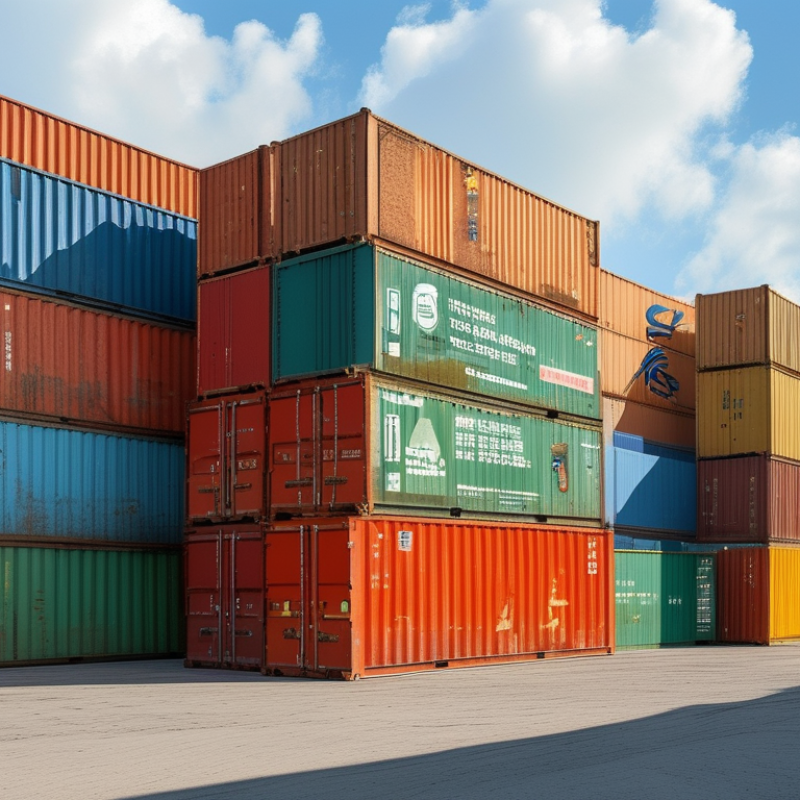
Overview of Intermediate Bulk Containers in the Global Market
In recent years, the global market for intermediate bulk containers (IBCs) has seen significant growth. According to a report by Market Research Future, the IBC market is projected to reach USD 8.43 billion by 2027, expanding at a compound annual growth rate of 6.5%. This growth is largely due to the rising demand for safe and efficient bulk storage solutions across various industries, including chemicals, food and beverages, and pharmaceuticals.
China stands out as a major supplier in the IBC market. The country's production capacity has increased due to technological advancements and a focus on sustainable materials. In 2022, China accounted for approximately 30% of the total global IBC supply. However, despite this impressive figure, challenges remain. Quality control and regulatory compliance often vary. Some producers may not consistently meet international standards, leading to concerns about safety and reliability.
The adoption of IBCs also raises questions regarding environmental impact. While these containers offer efficient storage and transport solutions, the lifecycle of IBCs needs further scrutiny. Disposal and recycling processes can be inconsistent, impacting sustainability efforts. Engaging with suppliers who prioritize eco-friendly practices is essential for global buyers looking to make responsible purchasing decisions in the evolving IBC landscape.
Key Features and Benefits of Intermediate Bulk Containers
Intermediate Bulk Containers (IBCs) offer numerous benefits for businesses around the world. Their robust design allows for efficient storage and transportation of a wide range of liquids and solids. For companies dealing in bulk materials, IBCs provide a space-saving solution. They can hold up to 1,000 liters, making them ideal for large shipments.
Durability is a key feature of IBCs. Many are made from high-density polyethylene or stainless steel. This durability helps protect contents during transport. However, occasional leaks or damage can occur if not properly maintained. Regular inspections can help mitigate these risks. Additionally, IBCs are often stackable, which optimizes warehouse space.
Another advantage is their versatility. Many industries, including food, pharmaceuticals, and chemicals, use IBCs. This wide applicability underscores their importance in global supply chains. Yet, different materials suit different applications. It's crucial for buyers to understand their specific needs when selecting containers. Knowledge of regulatory standards is also essential in ensuring compliance.
China Top Intermediate Bulk Containers Suppliers for Global Buyers
| Supplier Region | Container Type | Capacity (Liters) | Material | Key Features | Benefits |
|---|---|---|---|---|---|
| East China | Plastic IBC | 1000 | Polyethylene | UV Resistant, Stackable | Lightweight, Cost-effective |
| South China | Steel IBC | 1000 | Carbon Steel | Corrosion Resistant | Durable and Strong |
| North China | Composite IBC | 800 | Fiberglass Composite | Insulated, High Strength | Temperature Control |
| Central China | Collapsible IBC | 1200 | Plastic | Space-saving Design | Reduced Shipping Costs |
| Southwest China | Aluminum IBC | 1000 | Aluminum Alloy | Lightweight, Rust-proof | Longer Lifespan |
Top Chinese Suppliers of Intermediate Bulk Containers
Intermediate Bulk Containers (IBCs) are essential for several industries, including chemicals, food, and pharmaceuticals. Choosing a reliable supplier is crucial for ensuring quality and efficiency. China has emerged as a key player in the IBC market, offering a diverse range of products to meet global demand.
The top suppliers in China demonstrate expertise in manufacturing IBCs that comply with international standards. They focus on innovative designs that enhance durability and ease of use. Many companies invest in technology to improve production processes. This focus on quality contributes to their reputation as trustworthy suppliers. However, buyers must remain vigilant. Not all suppliers maintain the same level of quality.
While many options are available, assessing the reliability of a supplier is vital. Conducting thorough research can uncover potential issues early. Engaging with reputable sources for reviews and insights can add valuable context. Communicating directly with suppliers can clarify any uncertainties regarding their products. Making informed decisions helps mitigate risks in procurement.
China Top Intermediate Bulk Containers Suppliers for Global Buyers
Comparative Analysis of Pricing and Quality among Suppliers
The intermediate bulk container (IBC) market plays a crucial role in global logistics. A recent report indicates that the demand for IBCs is growing at a rate of 4.5% annually. As buyers explore suppliers, price and quality remain key differentiators. Many suppliers offer various materials, such as plastic and metal. However, the quality of these materials can greatly influence the longevity and safety of the containers.
Investing in high-quality IBCs is essential. A lower-priced option may seem appealing, but it often sacrifices durability. Reports show that around 30% of lower-cost containers fail to meet safety standards. In contrast, reputable suppliers conduct rigorous testing, ensuring their products comply with industry regulations. This reflects not only in initial pricing but also in the long-term value of these containers.
It is wise to conduct thorough research before making a purchasing decision. Many users overlook the importance of certifications. Verify if suppliers have recognized industry certifications, which can be a sign of quality assurance. Readers should also consider the supplier's history and client reviews. Such insights can reveal the supplier's reliability and product performance in real-world scenarios.
Trends and Innovations in the Chinese IBC Industry
The Chinese Intermediate Bulk Container (IBC) industry has seen significant innovations. Companies are increasingly adopting advanced materials. These materials enhance durability and reduce environmental impact. For instance, lightweight composites are now popular. They offer strength without adding excess weight. This shift helps manufacturers optimize shipping costs.
Design trends are also evolving. Modular IBCs provide flexibility for various industries. This adaptability means users can customize containers for specific needs. Additionally, technology integration is on the rise. IoT capabilities allow for better tracking and monitoring during transit. This transparency boosts reliability and efficiency in logistics.
Nevertheless, challenges persist. The rapid pace of innovation can lead to inconsistencies in quality. Not all manufacturers maintain high standards. It’s essential for buyers to conduct thorough research. Understanding material sources and production methods is crucial. Awareness of these factors will help ensure accountability in the supply chain.
FAQS
: IBCs are containers designed for storing and transporting liquids and solids. They can hold up to 1,000 liters.
IBCs are often made from high-density polyethylene or stainless steel. These materials enhance durability and protection.
IBCs are stackable, optimizing warehouse space. Proper stacking can improve storage efficiency significantly.
Regular inspections can prevent leaks or damage. Neglecting maintenance can lead to costly issues.
IBCs are used in various industries, including food, pharmaceuticals, and chemicals. Their versatility is essential for operations.
Conduct thorough research on suppliers. Look for reviews and communicate directly with them to clarify any doubts.
Knowledge of regulatory standards is crucial to ensure compliance. This helps avoid legal or operational issues.
Assess your specific needs. Different materials suit different applications, impacting safety and efficiency.
No, the quality of suppliers varies. Some may not maintain high standards. Vigilance is necessary in choosing suppliers.
Innovative designs and technology enhance durability and ease of use. This investment reflects a supplier's commitment to quality.
Conclusion
Intermediate Bulk Containers (IBCs) play a crucial role in the global supply chain, providing efficient and cost-effective solutions for the storage and transportation of liquids and bulk materials. The global market for IBCs is characterized by a variety of suppliers, with China emerging as a leading manufacturer due to its competitive pricing and innovative designs.
Chinese suppliers offer a wide range of IBCs that boast key features such as durability, versatility, and compliance with international standards. A comparative analysis reveals that while pricing may vary among suppliers, quality remains a consistent focus, ensuring that buyers receive excellent value. Additionally, the Chinese IBC industry is witnessing significant trends and innovations aimed at improving sustainability and functionality, making these containers an attractive choice for global buyers seeking reliable packaging solutions.

Blog Tags: