
News & Industry Insights
Industrial Packaging Knowledge Hub
Discover the latest industry trends, technical updates, circular economy solutions, and expert commentary from Mauser Packaging Solutions.
Sustainability & Innovation
Advancing Sustainable Industrial Packaging
Learn how PCR resin integration, IBC reconditioning, and smart fleet management are shaping the future of global supply chains.
How to Choose Medical Waste Containers in 2026?
Table of Contents
- Identify the Types of Medical Waste Your Facility Generates
- Check Applicable Regulations and Disposal Requirements
- Match Container Materials, Sizes, and Closures to Each Waste Type
- Plan Container Placement, Labeling, and Safe Handling
- Compare Suppliers, Costs, and Replacement Needs
- FAQS
- Conclusion
- Related Posts
Choosing Medical Waste Containers in 2026 requires more than comparing prices or colors. Each container should match the waste stream, handling method, and treatment pathway. Sharps need rigid, puncture-resistant boxes. Liquid waste needs secure, leak-resistant containment. Anatomical or infectious materials may require stronger closure systems and carefully labeled packaging.
Dr. William A. Rutala, a recognized healthcare epidemiologist, has emphasized, “The single most important measure to prevent the spread of infection is hand hygiene.” Containers support that goal, but they cannot replace trained staff or safe procedures. Their design should reduce hand contact, prevent overfilling, and remain stable beside treatment beds, operating rooms, laboratories, and cleaning areas. A foot-operated lid can matter when gloves are contaminated. A visible fill line can prevent dangerous overflow.
This guide examines Medical Waste Containers through practical experience, technical performance, and responsible procurement. It considers capacity, material strength, lid security, portability, cleaning requirements, labeling, and compatibility with local waste systems. Certification and regional requirements should always be checked before purchase. A product accepted in one facility may be unsuitable elsewhere.
The decision is rarely perfect.
Budgets influence choices. Storage space creates compromises. Some containers appear durable but crack under repeated movement. Others fit narrow rooms yet become unstable when nearly full. A careful buyer should test real workflows, not rely only on catalog images. The safest option is usually the one staff can identify, close, move, and replace without hesitation.
Identify the Types of Medical Waste Your Facility Generates
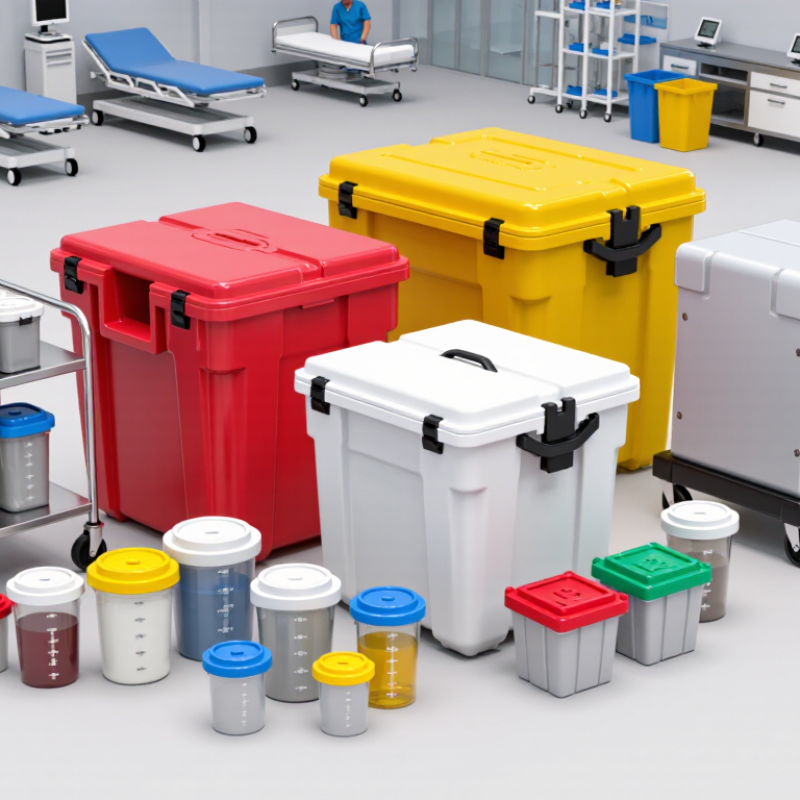
Choosing medical waste containers in 2026 starts with an honest review of your facility’s waste streams. Identify what staff discard during each procedure, cleaning task, and laboratory process. Used needles, blades, and broken glass require rigid sharps containers. Blood-soaked dressings may need leak-resistant infectious-waste containers. Tissue and other anatomical materials require separate handling under applicable local rules. Pharmaceutical, chemical, and radioactive waste also need dedicated containers and controlled collection. Never rely on container color alone.
Tips: Walk through the facility during a busy shift. Observe real disposal habits, not only written procedures. Check whether containers sit near treatment areas, medication rooms, and laboratories. Record the waste type, approximate volume, and collection frequency. A small container may overflow quickly beside an injection station. An oversized container may encourage careless disposal. Ask trained workers where confusion occurs. Their experience often reveals practical risks that audits miss.
Container selection should match the waste’s physical and handling characteristics. Use closable, puncture-resistant units for sharps and leak-resistant units for moist materials. Keep incompatible chemical wastes separate, and confirm closure requirements with qualified safety personnel. Labels should remain readable after exposure to moisture and disinfectants. I have found that “obvious” labels are not always obvious to temporary staff. That assumption deserves review. Reassess waste patterns after new treatments, equipment, or procedures are introduced. Document the decision and update staff training accordingly.
How to Choose Medical Waste Containers in 2026?
Identify the types of medical waste your facility generates before selecting containers.
According to the World Health Organization, approximately 85% of healthcare waste is general, non-hazardous waste, while about 15% is hazardous. The hazardous portion is commonly estimated at 10% infectious waste and 5% chemical, pharmaceutical, radioactive, or other hazardous waste. Use regular closed bins for general waste, leak-resistant labeled containers for infectious waste, puncture-resistant sharps containers for needles and blades, and containers specifically approved for chemical or pharmaceutical waste. Local regulations may require stricter segregation and labeling.
Source: World Health Organization, “Health-care waste” fact sheet.
Check Applicable Regulations and Disposal Requirements
Choosing medical waste containers in 2026 starts with local regulations, not color preferences. Requirements differ by country, state, and waste category. Check rules for infectious waste, sharps, pharmaceutical residues, and pathological materials before purchasing containers. In the United States, OSHA requires regulated-waste containers to be closable, leak-resistant, and labeled or color-coded. Sharps containers must resist punctures and remain upright during use.
The World Health Organization reports that approximately 85% of healthcare waste is general waste, while 15% is hazardous. That smaller portion still requires careful segregation and disposal. A container for contaminated dressings may not meet sharps requirements. A container for liquid waste may need stronger leak protection. Review the final treatment method, collection schedule, storage limits, and transport rules. A practical audit can reveal gaps. Staff sometimes place waste into the nearest container, especially during busy shifts.
Tips: Match each container to one waste stream and its disposal route. Check capacity, closure strength, puncture resistance, and visible labeling. Keep containers near the point of generation, but away from public access. Replace them before overfilling. The CDC warns that overfilled sharps containers increase injury risks. Document staff training and inspection dates. Regulations change, and older procedures may no longer be adequate. Ask a qualified environmental health professional to verify local requirements before implementation.
Match Container Materials, Sizes, and Closures to Each Waste Type
How to Choose Medical Waste Containers in 2026?
Match the container to the waste, not just the room. For used needles and blades, choose a rigid, puncture-resistant container with a closable opening that limits hand access. Keep it within easy reach, but away from sinks and busy walkways. For wet infectious waste, use a leak-resistant container or a compatible liner inside a stable, washable bin. A flimsy bag can split when lifted. Not a small risk.
Material matters when waste contains chemicals or medication residues. Check the container maker’s compatibility guidance rather than assuming one plastic works for everything. Use clearly marked containers, and keep incompatible waste streams separate according to your facility’s procedures. Match size to daily volume: an oversized bin may encourage overfilling, while a tiny one needs frequent changes. Neither is ideal. Staff routines can differ by shift, so test placement during normal work.
Tips: Check closure style, fill limits, and lid operation before ordering. A foot pedal can reduce hand contact, but only if it opens smoothly and stays clean. Watch how staff actually use the container for a week; the planned setup may not match reality. Follow facility procedures and the manufacturer’s instructions for assembly, use, and replacement.
Plan Container Placement, Labeling, and Safe Handling
In 2026, choosing medical waste containers should begin with placement, not appearance. Put containers where waste is generated, such as beside treatment chairs, procedure tables, and preparation areas. A container that is too far away encourages unsafe carrying and hurried disposal. Select a rigid, leak-resistant unit with a stable base and closable opening. Sharps containers need a visible fill line and should remain upright. Wall mounting can save floor space, but only when the fixture is strong and accessible. We sometimes place containers too low for standing staff. That small mistake deserves review.
Labels should identify the waste type, hazard, and required handling action. Use clear wording, durable printing, and symbols staff recognize quickly. Do not rely on color alone; lighting and color vision vary. Check labels during cleaning rounds. A stained or partly peeled label can create hesitation at the worst moment. Train staff to close containers before moving them. Never press down contents by hand. Use gloves and other PPE selected through a workplace risk assessment. Move sealed containers on a dedicated cart, away from clean supplies. Follow facility policy and applicable local requirements.
Tips: Keep spare containers nearby, but outside clean storage zones. Mark a simple inspection point on each container. Record fill levels and replacement times. Review the setup after spills, near misses, or staff feedback. The original arrangement may look efficient, yet daily movement often reveals a safer one.
How to Choose Medical Waste Containers in 2026? - Plan Container Placement, Labeling, and Safe Handling
| Waste stream | Suitable container | Placement plan | Labeling and closure | Safe handling checks |
|---|---|---|---|---|
| Sharps Needles, lancets, and other items capable of puncturing skin |
Closable, puncture-resistant, leak-resistant sharps container designed for the intended waste. | Place near the point of use, upright and secure, where users can reach it without carrying an exposed sharp. | Use the required biohazard or other applicable label. Close and replace before the contents reach the marked fill line; OSHA-regulated workplaces must close containers when they are three-quarters full. | Do not recap, bend, or break contaminated needles by hand. Never reach into a container or force items through its opening. |
| Non-sharp regulated infectious waste For example, certain blood-saturated materials or items regulated as infectious waste |
Closable, leak-resistant bag or container; use a rigid outer container when contents could puncture or leak through the bag. | Locate at the point where this waste is generated. Keep it away from clean supplies, food areas, and public access. | Apply the biohazard label or color coding required by applicable rules. Securely close the container before removal; do not overfill. | Use suitable protective equipment for the task. If the exterior is contaminated or the container leaks, place it in a compatible secondary container. |
| Pathological or anatomical waste Human tissues or other materials subject to local requirements |
Leak-resistant, closable container compatible with the waste and the facility’s approved treatment or disposal route. | Use a designated, access-controlled area. Follow facility procedures for any required cooling or time limits. | Identify the contents as required by local rules and facility procedures. Keep the container closed during storage and transport. | Use trained personnel and appropriate protective equipment. Avoid handling that could cause leakage or exposure. |
| Pharmaceutical waste Unwanted or expired medicines, including hazardous or special-category drugs |
Use a container selected for the specific pharmaceutical waste category and the approved disposal route; keep incompatible streams separate. | Place in a controlled area accessible to authorized staff. Keep pharmaceutical waste separate from ordinary trash and other waste streams as required. | Label clearly for the applicable waste category and follow local, environmental, and facility requirements. Do not assume all medicines belong in a biohazard container. | Follow the medication-specific handling procedure. Some hazardous drugs require dedicated collection and additional exposure controls. |
| Laboratory cultures and stocks Materials treated as regulated infectious waste under applicable requirements |
Closable, leak-resistant container suitable for the waste and any required treatment before disposal. | Place within the controlled laboratory work area. Use secondary containment if leakage during handling is foreseeable. | Label according to the facility’s biosafety procedures and applicable regulations. Keep closed except when adding waste. | Follow the laboratory’s approved decontamination, packaging, and transport procedures; use trained staff for removal. |
| Non-regulated general waste Items not contaminated or otherwise regulated as medical waste |
Ordinary waste container appropriate to the location and contents. | Provide near work areas while keeping it distinct from sharps and regulated-waste containers. | Use clear, consistent signage so staff can distinguish general waste from regulated waste. | Do not place sharps or regulated waste in general trash. When classification is uncertain, follow facility policy and seek guidance. |
| All waste containers | Choose a container that is compatible with its contents, sturdy enough for handling, and closable where required. | Plan locations around the point of generation, safe access, collection routes, and separation from clean materials. | Keep labels legible and visible. Include required identification and hazard information under applicable rules. | Inspect routinely for damage, overfilling, leaks, and secure closure. Train staff and use secondary containment when needed. |
Planning note: Medical-waste definitions, color codes, storage limits, treatment methods, and labeling requirements vary by jurisdiction and waste type. Confirm current local rules and facility procedures before selecting containers or setting collection schedules.
Compare Suppliers, Costs, and Replacement Needs
When choosing medical waste containers, compare suppliers on delivered cost, not unit price alone. Request itemized quotes for container size, freight, minimum orders, lead time, and compatible liners. WHO’s 2024 health-care waste fact sheet estimates that about 15% of healthcare waste is hazardous; actual needs vary by facility and waste stream. Buy for the rooms where containers will sit. A bulky model may cost more in staff time and floor space.
Ask suppliers for product specifications, sample units, and clear replacement criteria. Check lid operation with gloved hands, label visibility at eye level, and whether the container fits its bracket. Practice Greenhealth’s annual sustainability benchmarking data offers facilities a way to compare waste volumes and practices. Use your own monthly usage records too. A benchmark cannot predict your unit’s consumption.
Calculate annual cost using purchase price, delivery, storage, and time spent changing containers. Track how many units each department uses and how often they reach the fill line. Replace containers when full, damaged, or no longer closing securely, following product instructions. Don’t rely on a fixed calendar interval. A quiet clinic and a busy treatment room will differ. I would revisit the estimates after a few months; early forecasts are often imperfect.
FAQS
Check local rules for infectious waste, sharps, pharmaceutical residues, and pathological materials. Requirements vary by location and waste category. Ask a qualified environmental health professional to verify the setup.
Choose a rigid, puncture-resistant container with a closable opening. It should remain upright during use. Keep it within reach, away from sinks and busy walkways. Never force extra items inside.
Use a leak-resistant container or compatible liner inside a stable, washable bin. A weak bag may split during lifting. Not a small risk. Replace damaged containers immediately.
Match one container to one waste stream and its disposal route. Use visible labels near the point of generation. Staff may choose the nearest container during busy shifts. Observe actual habits, not only written procedures.
Match capacity to daily waste volume. An oversized bin can encourage overfilling. A tiny bin requires frequent replacement. Test container use across different shifts before making a final decision.
Check closure strength, fill limits, puncture resistance, leak protection, and lid operation. Test lids while wearing gloves. Confirm labels remain visible at eye level. A foot pedal helps only when it opens smoothly and stays clean.
Compare delivered cost, not unit price alone. Include freight, minimum orders, storage, compatible liners, and lead times. Request specifications and sample units. A cheap container may consume more staff time.
Replace them when full, damaged, or unable to close securely. Follow product instructions and facility procedures. Do not rely only on calendar dates. Busy treatment rooms may fill containers much faster.
Track monthly use by department, including units changed and fill levels reached. Include purchase, delivery, storage, and labor costs. Early forecasts are often imperfect. Recheck the estimate after several months.
Conclusion
Choosing Medical Waste Containers in 2026 starts with understanding the waste your facility produces, since different materials may require different levels of containment. Review the regulations and disposal procedures that apply to your facility, then select containers with suitable materials, capacities, and closures for each waste stream. A well-matched container helps support safe collection, storage, and handling.
Plan where containers will be placed so staff can access them conveniently without creating obstacles. Use clear labels and establish consistent handling practices to reduce confusion. When comparing suppliers, consider more than the purchase price: assess container durability, ongoing availability, replacement frequency, and the total cost of maintaining an appropriate supply. A practical selection process can help facilities meet their needs while supporting orderly and safe waste management.

Blog Tags: