
News & Industry Insights

Industrial Packaging Knowledge Hub

Discover the latest industry trends, technical updates, circular economy solutions, and expert commentary from Mauser Packaging Solutions.

Sustainability & Innovation

Advancing Sustainable Industrial Packaging

Learn how PCR resin integration, IBC reconditioning, and smart fleet management are shaping the future of global supply chains.

0%

Plastic Tight-Head Containers are increasingly vital in various industries for their durability and practicality. According to a recent report by Smithers Pira, the global plastic container market is projected to grow significantly, reaching USD 400 billion by 2025. This surge is driven by the need for safe and reliable storage solutions, particularly in chemicals and food sectors.

These containers are designed for the secure storage and transport of liquids. They feature a leak-proof design, enhancing safety and reducing waste. Reports indicate that 76% of surveyed companies prefer these containers for hazardous materials. This preference is based on their resilience and ability to withstand various environmental conditions. However, not all uses of Plastic Tight-Head Containers focus on safety. Some applications raise concerns regarding waste management and recycling processes.

Overall, understanding the applications and limitations of Plastic Tight-Head Containers is crucial. They represent a balance of utility and responsibility in the modern supply chain. Further exploration of their environmental impact remains critical as industries strive for sustainability.
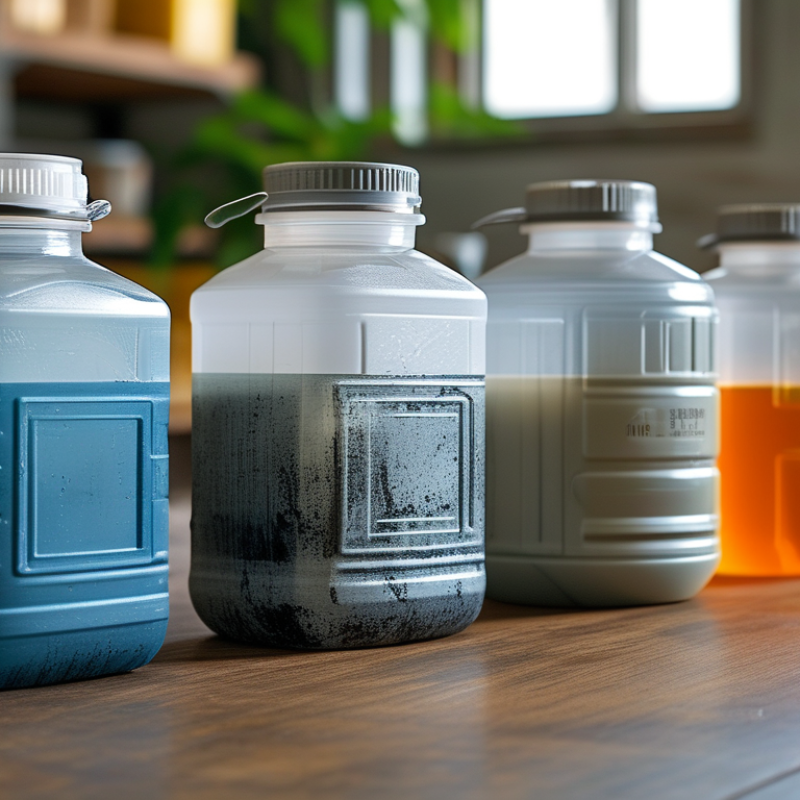
What is a Plastic Tight Head Container and Its Uses?

What is a Plastic Tight Head Container?

A plastic tight head container is a robust storage solution designed for various industrial applications. These containers are typically made from high-density polyethylene (HDPE) or similar materials, offering excellent chemical resistance and durability. Their tight head design means they feature a fixed top, which prevents leakage and contamination, making them ideal for transporting liquids and hazardous materials.

These containers can hold a range of substances, from oils to chemicals, and are often used in manufacturing and chemical processing. Their design allows for easy stacking and handling with forklifts. Despite their strengths, suppliers must ensure these containers are properly labeled and stored to prevent mix-ups. It is essential to regularly check for signs of wear or damage, as mishandling can compromise their integrity.

While plastic tight head containers are seen as reliable, not all containers are created equal. Selecting the right container for specific materials is crucial to avoid potential risks. Understanding the limitations and proper usage of these containers can prevent serious accidents and enhance workplace safety.

Plastic Tight Head Container Usage by Industry

The bar chart above illustrates the usage of plastic tight head containers across various industries. The food and beverage industry leads with 30% usage, followed closely by chemicals at 25%. Other sectors like pharmaceuticals, agriculture, and oil & gas also utilize these containers but to a lesser extent.

Key Features of Plastic Tight Head Containers

Plastic tight head containers are specialized storage solutions designed for various industrial applications. These containers are typically made from high-density polyethylene (HDPE), which offers durability and resistance to many chemicals. The tight head design, featuring a fixed top with no opening, minimizes the risk of spillage and contamination. This makes them particularly suitable for hazardous materials as well as food products.

One of the key features of plastic tight head containers is their stackability. According to industry data, stackable design can save up to 30% more storage space compared to traditional containers. Additionally, many of these containers can withstand extreme temperatures and pressure, making them versatile for different environments. They often come with varying capacities, ranging from 5 to 55 gallons, to suit various storage needs.

Another notable aspect is their reusability. In line with sustainability practices, many manufacturers are pushing for recyclable options. A recent study showed that 70% of plastic containers used in industry are now designed for multiple lifecycles. However, there remains a need for better tracking systems to ensure these containers are being recycled properly. The industry must address this challenge to enhance sustainability further.

Common Materials Used in Manufacturing Tight Head Containers

Tight head containers are commonly made from materials like high-density polyethylene (HDPE) and polypropylene. HDPE is known for its durability and resistance to chemicals. This makes it ideal for storing hazardous materials. Its flexibility allows for varying wall thickness, which can help in customizing the container for different uses.

Polypropylene is another popular choice. This material offers increased resistance to heat and chemicals. It can handle extreme temperatures better than HDPE. Some manufacturers also explore new materials, seeking to improve the environmental impact. However, the transition to eco-friendly options often raises questions about performance and reliability.

Manufacturing these containers can be complex. This complexity can lead to variations in quality. Understanding the properties of different materials is crucial. Different applications may require unique features, such as specific chemical resistance. Evaluating the intended use can help in choosing the right container. Inconsistencies in production methods can impact overall quality. Choosing the right material ensures safety and effectiveness in storage.

Applications of Plastic Tight Head Containers in Various Industries

Plastic tight head containers are essential in many industries. Their robust design makes them ideal for storing hazardous materials. According to the Environmental Protection Agency (EPA), there is an increasing demand for safe storage solutions in chemical and pharmaceutical sectors. These containers minimize the risk of leaks and contamination, ensuring environmental safety.

In the food and beverage industry, these containers provide optimal durability and protection. They are often used for transporting oils and liquids. A report by the Food and Drug Administration (FDA) notes that the use of high-quality plastic containers ensures compliance with safety regulations. Companies benefit from increased shelf life and reduced waste.

However, there are areas for improvement. Despite their advantages, not all plastic containers are recyclable. This raises concerns about environmental impact. Industries must explore alternative materials or recycling initiatives. Balancing safety and sustainability is crucial. As manufacturers innovate, consumers will demand more environmentally friendly options. The evolution of plastic tight head containers will be a topic to watch.

Advantages of Using Plastic Tight Head Containers Over Other Packaging Options

Plastic tight head containers provide a reliable packaging option for various industries. These containers are designed to safely transport and store liquids, powders, and granules. Their sturdy construction and tight closure prevent leaks and contamination. According to a recent industry report, the global market for plastic containers is projected to reach $100 billion by 2025. This growth highlights their increasing importance in packaging.

One significant advantage of plastic tight head containers is their lightweight nature. They are easier to handle and transport compared to glass or metal containers. This can lead to lower shipping costs and reduced carbon footprint. Additionally, their high resistance to chemicals makes them suitable for hazardous materials. A study indicated that approximately 30% of companies switched to plastic containers in order to enhance safety protocols.

It's essential to conduct proper maintenance on plastic containers for longevity. Clean them regularly to avoid contamination. Choose the right size for your needs to minimize waste. Understanding your specific requirements is crucial for effective storage and transportation.

Consider the environmental impact as well. While plastic is durable, it’s vital to have a recycling plan in place. Proper disposal can mitigate negative effects on the ecosystem. Balancing convenience with sustainability is important for responsible packaging practices.

FAQS

: What materials are plastic tight head containers made from?

: They are typically made from high-density polyethylene (HDPE). It offers durability and chemical resistance.

Why are tight head containers useful for hazardous materials?

Their design features a fixed top, minimizing spillage and contamination. This ensures safer handling of hazardous substances.

How does stackability benefit storage?

Stackable design can save up to 30% more storage space compared to traditional containers. This is particularly beneficial in tight spaces.

What capacities do plastic tight head containers come in?

They usually range from 5 to 55 gallons. This variety suits different storage needs across industries.

Are plastic tight head containers recyclable?

Many are designed for multiple lifecycles. However, better tracking systems are needed to ensure proper recycling practices.

What maintenance is needed for plastic containers?

Regular cleaning is essential to avoid contamination. Choosing the right size also helps minimize waste and ensures efficiency.

How do these containers compare to glass or metal?

They are lightweight and easier to handle, which reduces shipping costs and lowers the carbon footprint.

What should be considered for environmental impact?

It's crucial to have a recycling plan in place. Proper disposal mitigates negative effects on ecosystems.

What are common issues with plastic container recycling?

There is often a lack of robust systems for tracking and recycling plastic containers effectively.

What’s the importance of proper storage and transportation?

Understanding specific needs is key to effective storage. Proper methods help in maintaining product integrity and safety.

Conclusion

Plastic Tight-Head Containers are specialized packaging solutions designed for the safe storage and transport of various liquids and materials. These containers are characterized by their integral lids that ensure a secure seal, preventing leaks and contamination. Commonly made from robust plastics, these containers are not only durable but also resistant to many chemicals, making them suitable for a wide range of applications across different industries.

The key features of Plastic Tight-Head Containers include their strength, ease of handling, and versatility in storage options. They are utilized in sectors such as chemicals, food and beverages, pharmaceuticals, and agriculture, owing to their ability to safely contain a variety of substances while minimizing risk. The advantages of using Plastic Tight-Head Containers include their lightweight nature, resistance to corrosion, and cost-effectiveness compared to other packaging alternatives, making them a preferred choice in modern packaging solutions.

Liam

Liam

Liam is a seasoned marketing professional with an exceptional understanding of our company’s products and services. With years of experience in the industry, he excels at translating complex technical details into accessible and engaging content for our audience. He is responsible for regularly......