
News & Industry Insights

Industrial Packaging Knowledge Hub

Discover the latest industry trends, technical updates, circular economy solutions, and expert commentary from Mauser Packaging Solutions.

Sustainability & Innovation

Advancing Sustainable Industrial Packaging

Learn how PCR resin integration, IBC reconditioning, and smart fleet management are shaping the future of global supply chains.

0%

Choosing the right Agricultural Chemicals Packaging supplier requires more than comparing prices or catalog photographs. Packaging must protect liquid concentrates, powders, granules, and biological products during filling, storage, transport, and field use. A small weakness in a closure can cause leakage, contamination, or costly product loss. That matters.

This guide reviews ten international suppliers through practical and technical criteria. These include container compatibility, barrier performance, closure security, labeling support, production consistency, and quality-control systems. Materials such as high-density polyethylene, fluorinated plastic, multilayer films, and specialized liners may perform differently under heat, pressure, or chemical exposure. Experienced suppliers should provide testing evidence rather than broad promises.

Regulatory knowledge also separates reliable partners from ordinary manufacturers. Packaging may need to meet applicable requirements for hazardous goods, child-resistant closures, recycling marks, transport durability, and regional labeling rules. Requirements vary across markets, so a package accepted in one country may need changes elsewhere. Professional suppliers should help customers identify those gaps before mass production.

The ranking is not absolute. No supplier is perfect. A company may offer excellent drums but limited flexible packaging, or strong global logistics but slower customization. Those trade-offs deserve careful review. Supplier history, audit results, technical documentation, and customer support can reveal more than polished marketing language. Readers should confirm current certifications and product suitability directly with each company. This introduction sets the stage for a practical comparison focused on safety, reliability, and real-world agricultural packaging performance.
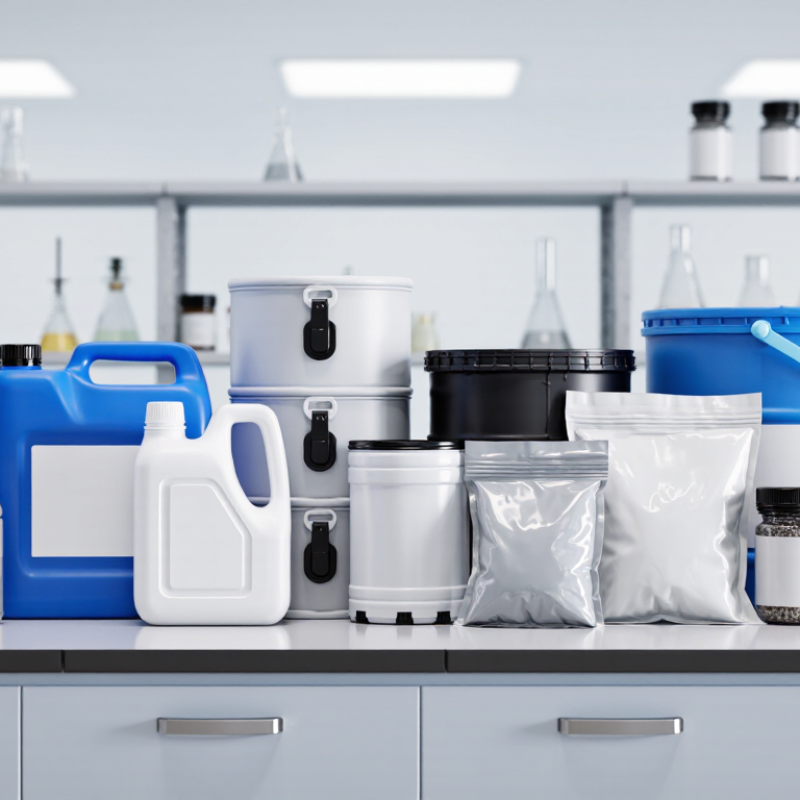
Top 10 Agricultural Chemicals Packaging Suppliers Worldwide

Agricultural Chemicals Packaging: Scope and Selection Criteria

Agricultural chemicals packaging begins with product behavior, not appearance. According to FAO’s Pesticides Use and Trade 1990–2022 report, global pesticide use reached 3.70 million tonnes in 2022. This volume increases pressure on safe, traceable packaging. Containers must resist corrosion, swelling, permeation, and accidental leakage. Compatibility testing should cover the exact formulation, temperature range, closure, and storage period. A neat-looking container can still fail.

Selection also depends on transport and handling conditions. The UN Recommendations on the Transport of Dangerous Goods provides performance standards for many regulated chemical packages. Suppliers should verify drop resistance, stacking strength, seal integrity, and tamper evidence. Material choice matters. High-density polyethylene suits many liquid formulations, but not every concentrate. Barrier layers, fluorination, or alternative materials may be necessary. The assumption that one resin works everywhere deserves challenge. Packaging should also provide readable labels, batch coding, dosing guidance, and enough grip for gloved operators.

Tips: Request compatibility data from a laboratory, not only a sales sheet. Test filled packs after heat, cold, vibration, and long storage. Check recycling pathways before finalizing the structure. A smaller container may reduce transport weight, but poor ergonomics can increase spill risk. Selection criteria should include lifecycle impact, local collection systems, and the product’s real user environment. These details are easy to overlook. They often decide whether packaging performs beyond the warehouse.

Key Packaging Requirements for Agricultural Chemical Products

Agricultural chemical packaging must protect the product, workers, and surrounding environment. A reliable container resists leakage, impact, pressure changes, and chemical interaction. Material compatibility is critical. High-density polyethylene suits many liquid formulations, but no material works universally. Testing the actual formulation can reveal swelling, brittleness, or stress cracking. This practical step is often underestimated. Closures should fit securely and support controlled pouring, while tamper-evident features help show possible interference.

Packaging must also support clear handling and traceability. Labels should remain readable after moisture, dust, and repeated transport. They need accurate hazard information, batch details, storage conditions, and legally required instructions. Small containers require special attention because limited surface space can reduce readability. Larger units may need reinforced handles or lifting points. Secondary containment can reduce damage during storage and distribution. Yet packaging alone cannot solve every handling risk. Poor warehouse practices still create exposure concerns.

Tips: Select packaging after reviewing the formulation, filling process, and transport route. Test seals under temperature changes and vibration. Check empty containers for odor, distortion, or residue. Keep closure torque consistent during production. Do not assume a thicker wall always means better protection. A heavier package may increase waste and handling strain. Periodic inspections are useful, but they should lead to corrective action, not paperwork alone.

Profiles of the Top 10 Global Packaging Suppliers

Global agricultural chemical packaging suppliers differ by material expertise, testing capacity, and regional service. The profiles below reflect practical selection factors used by purchasing and compliance teams.

One supplier specializes in high-density polyethylene bottles with precise neck finishes. Another produces fluorinated containers for improved barrier performance. A third focuses on lightweight jerrycans that reduce transport weight without weakening handles. The fourth supplies chemical-resistant closures with tamper-evident features. These suppliers often support mold development, drop testing, and compatibility studies. Small design changes matter.

A fifth supplier manufactures multilayer films for pouches and refill systems. A sixth provides rigid drums for larger agricultural volumes and warehouse handling. The seventh focuses on intermediate bulk containers with reinforced cages and discharge valves. Its technical documents must clearly state material grades and test limits. An eighth supplier combines labels, sleeves, and containers into coordinated packaging programs. This can simplify line operations, though it may reduce sourcing flexibility.

The ninth supplier serves regional markets with certified glass packaging for sensitive formulations. The tenth develops recyclable packaging structures and tracks recycled content carefully. Strong suppliers provide batch records, migration data, and traceable quality controls. They also understand filling temperatures, stacking pressure, and rural transport conditions. However, no supplier fits every market. Some specifications look impressive but perform poorly during humid storage. Independent trials remain necessary, especially when changing resin grades or closure designs.

Comparison of Materials, Technologies, and Services

Top 10 Agricultural Chemicals Packaging Suppliers Worldwide

Comparing agricultural chemical packaging suppliers requires more than checking price lists. Material selection affects product stability, worker safety, and transport performance. High-density polyethylene offers strong chemical resistance and reasonable cost. Fluorinated containers improve barrier protection against aggressive formulations and solvent migration. Multilayer structures can protect sensitive liquids, but recycling becomes more difficult. Aluminum provides excellent light and oxygen protection, although dents may weaken handling reliability.

Manufacturing technology also separates capable suppliers from ordinary producers. Extrusion blow molding supports consistent bottles and larger containers. Co-extrusion creates controlled barrier layers within one structure. Injection molding helps produce accurate closures, handles, and measuring components. Reliable suppliers verify wall thickness, seal performance, drop resistance, and chemical compatibility. They should provide batch traceability and documented quality checks. Testing matters more than attractive catalog images.

Service quality often determines long-term value. Strong suppliers offer packaging development, formulation compatibility testing, closure selection, and transport simulation. They also explain regional requirements before production begins. Clear technical files reduce delays during procurement and compliance reviews. Field inspections often reveal small problems, such as warped caps or unreadable lot codes. These details seem minor until a shipment is rejected. A global supplier may still perform poorly if communication is slow. No material is perfect. Buyers should reassess packaging after changes in formulation, climate, or distribution routes.

Regional Markets and Emerging Packaging Trends

Regional demand is reshaping the global supplier landscape for agricultural chemical packaging. In North America, suppliers prioritize durable jerrycans, precise closures, and traceable batch coding. European buyers increasingly request lightweight designs, recycled content, and documented recyclability. Asia-Pacific needs flexible production, smaller pack sizes, and strong resistance to heat and humidity. Field audits often reveal a simple truth: packaging failure usually begins with a poor fit between material and climate.

Latin American markets favor robust containers that survive long transport and uneven storage conditions. In Africa and the Middle East, stackability, sunlight resistance, and dependable seals can matter more than premium appearance. The strongest suppliers adapt testing protocols to local logistics. They check drop strength, chemical compatibility, closure torque, and leakage after temperature cycling. Regulatory documentation also matters. Performance standards must be verified, not assumed.

Emerging packaging trends are moving beyond lightweighting. High-barrier structures, tamper-evident closures, and digital identifiers are improving product protection and traceability. Recycled resin is gaining attention, although contamination, color, and chemical resistance remain difficult issues. Refill systems show promise in selected distribution networks. They are not universal yet. My cautious view is that sustainability claims need practical evidence from collection, cleaning, and reuse systems. A cheaper container is not better if it cracks, leaks, or confuses safe handling. Global top-ten suppliers will likely be judged by regional reliability, transparent testing, and their willingness to correct weak designs.

FAQS

What makes packaging suitable for agricultural chemical products?

Suitable packaging resists leakage, impact, pressure changes, and chemical interaction. Compatibility with the actual formulation is essential. No material works universally.

Why should the formulation be tested with the container?

Testing can reveal swelling, brittleness, odor, residue, or stress cracking. These problems may appear after heat, vibration, or long storage. Practical testing is often underestimated.

What closure features improve safe handling?

Closures should fit securely and support controlled pouring. Tamper-evident features can show possible interference. Consistent closure torque also reduces leakage during production.

What information should packaging labels contain?

Labels should show hazard information, batch details, storage conditions, and required instructions. They must remain readable after moisture, dust, and repeated transport.

How should small and large packages be designed differently?

Small containers need readable labels despite limited surface space. Larger units may need reinforced handles or lifting points. Heavy walls are not always better.

What tests should suppliers perform before distribution?

Suppliers should test seals during temperature changes and vibration. Drop testing, stacking checks, and leakage inspections are also useful. Independent trials remain necessary.

How do regional conditions affect packaging choices?

Hot, humid regions need strong chemical resistance and dependable seals. Long, uneven transport requires durable handles and stable stacking. Climate can expose a poor material fit.

Are lightweight, recycled, or refillable packages always better?

Not necessarily. Lightweight designs can reduce transport weight but may weaken under stress. Recycled materials need checks for contamination and chemical resistance. Sustainability claims require practical evidence.

Can packaging alone prevent every handling risk?

No. Poor warehouse practices can still create exposure concerns. Secondary containment may limit damage, but it cannot replace careful storage and inspection.

What should buyers review when comparing suppliers?

Review material grades, test limits, batch records, migration data, and regional service. Check filling temperatures, stacking pressure, and transport conditions. Impressive specifications can still fail in humid storage.

Conclusion

This article explores Agricultural Chemicals Packaging as a specialized field shaped by product protection, transportation safety, regulatory compliance, and environmental responsibility. It explains how packaging choices are evaluated according to chemical compatibility, strength, leak prevention, shelf life, labeling space, ease of handling, and end-user safety. The discussion also highlights the importance of selecting containers and closures that can withstand storage and distribution conditions while preserving product quality.

The profiles of ten leading global packaging suppliers are presented through their capabilities, manufacturing expertise, material options, customization services, and quality-control systems, without focusing on brand promotion. A comparative overview examines plastics, multilayer structures, rigid containers, flexible formats, barrier technologies, smart labeling, and recycling-oriented solutions. The article also considers regional market requirements and emerging trends, including lightweight designs, improved traceability, circular packaging models, and more sustainable production methods. Together, these insights provide a practical framework for evaluating reliable packaging solutions for agricultural chemical products.

Liam

Liam

Liam is a seasoned marketing professional with an exceptional understanding of our company’s products and services. With years of experience in the industry, he excels at translating complex technical details into accessible and engaging content for our audience. He is responsible for regularly......