
News & Industry Insights

Industrial Packaging Knowledge Hub

Discover the latest industry trends, technical updates, circular economy solutions, and expert commentary from Mauser Packaging Solutions.

Sustainability & Innovation

Advancing Sustainable Industrial Packaging

Learn how PCR resin integration, IBC reconditioning, and smart fleet management are shaping the future of global supply chains.

0%

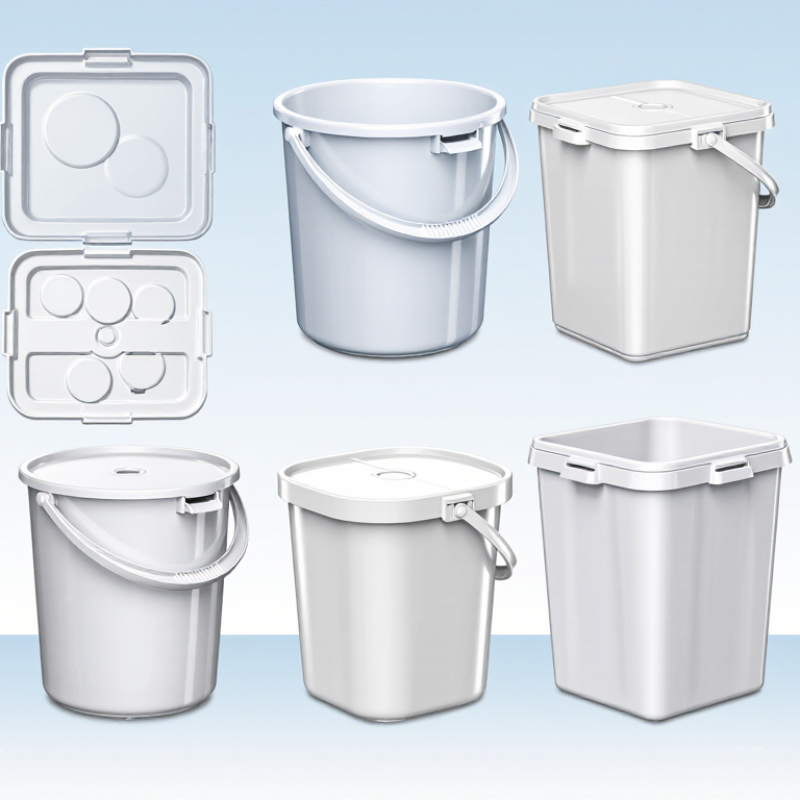
Plastic Pails & Buckets come in more forms than a simple round container with a handle. Common options include open-top pails with removable lids, lidded buckets designed for more secure closure, and square or rectangular containers that fit neatly on shelves. Materials vary too. High-density polyethylene is widely used for lightweight, impact-resistant containers, while polypropylene may suit applications that need greater heat tolerance. Exact performance depends on the product design and conditions of use.

Small details matter. A snap-on lid can make frequent access easier, while a gasketed closure may help limit spills when a container is handled or moved. Handle style, wall thickness, capacity, and stacking features also affect everyday use. Imagine carrying a filled pail across a workshop: grip comfort and weight distribution can matter as much as capacity. In a storeroom, consistent dimensions may be more useful than a distinctive shape.

Choosing well starts with the contents and the job. Consider whether the pail will hold liquids, powders, tools, or supplies, and whether it needs to be cleaned or reused often. Check product specifications for material, closure, and intended use rather than relying on appearance alone. A bucket that looks suitable may not perform as expected under heat, impact, or repeated handling. That is easy to overlook. Requirements also vary by application, so confirm relevant product information with the manufacturer or supplier. The best choice is not always the largest or toughest option; it is the one whose design fits the task.
What Types of Plastic Pails and Buckets Are Available?

How Plastic Pails and Buckets Are Classified by Material

What Types of Plastic Pails and Buckets Are Available?

How Plastic Pails and Buckets Are Classified by Material

Plastic pails are mainly classified by resin, not by color or shape. High-density polyethylene, or HDPE, offers strong impact resistance and good moisture protection. It suits cleaning products, powders, and general storage. Polypropylene, or PP, tolerates higher temperatures and repeated handling better. It is common in industrial and food-related applications, when approved for that use. Low-density polyethylene is softer and more flexible, so it appears less often in rigid pails.

Material choice also reflects a wider industry problem. PlasticsEurope reported global plastics production of about 400.3 million tonnes in 2022. The OECD’s Global Plastics Outlook found that only 9% of plastic waste was recycled globally in 2019. Recycled HDPE and PP can reduce virgin resin demand, but their color, odor, and strength may vary. No resin is perfect. Even experienced buyers sometimes overtrust a material label.

Tips: Check the resin code, wall thickness, handle attachment, and lid fit. For food contact, request documented compliance, not a verbal claim. Test a filled pail before large-scale purchasing. A bucket that looks sturdy may still deform under stacking pressure. Recycled content is valuable, but its consistency deserves careful review. OECD and PlasticsEurope data show why material selection should include end-of-life planning, not only purchase price.

Common Shapes, Sizes, and Capacity Options

Plastic pails and buckets come in shapes designed for different handling needs. Round buckets are common because they lift evenly and pour smoothly. Square and rectangular buckets use storage space more efficiently. Their flat sides sit closely on shelves and pallets. Tapered designs nest together when empty, reducing transport space. Straight-wall models usually offer more stable stacking when filled.

Capacity choices range from small containers of about 1 liter to heavy-duty units exceeding 25 liters. Smaller sizes suit samples, touch-up materials, and household tasks. Medium capacities, such as 5 to 10 liters, balance portability and useful volume.

Larger buckets reduce refilling during industrial or agricultural work, but they become harder to carry safely. A larger bucket is not always better. I have seen users choose capacity by volume alone, then struggle with weight and awkward handles. Bucket dimensions, wall thickness, lid fit, and handle strength also affect practical performance.

Tips: Measure shelf depth before selecting square buckets. Check the filled weight, not only the stated capacity. For liquids, leave headspace to prevent splashing during movement. Tapered buckets save room, but their changing diameter can reduce stability when stacked. If manual lifting is frequent, test one filled sample first. That simple check can reveal problems that product charts miss.

Design Features and Closure Types

What Types of Plastic Pails and Buckets Are Available?

Design Features and Closure Types

Plastic pails differ by resin, wall thickness, handle design, and closure system. High-density polyethylene is common because it resists impact, moisture, and many household chemicals. Polypropylene suits higher-temperature filling and repeated handling. A 2023 report from the Association of Plastic Recyclers notes that rigid polypropylene and polyethylene packaging remain important recovery streams in North America. That matters when selecting a pail for a longer service life.

Closure design often determines performance more than appearance. Snap-fit lids provide quick access for powders, coatings, and dry ingredients. Screw-top lids offer repeated opening with less force. Lever-lock rims create a firm seal and can include tamper-evident features. Some lids use a molded gasket, which helps reduce leakage during transport. Not every gasket performs equally. Compression, storage temperature, and product viscosity can change the result.

The Freedonia Group’s packaging research identifies durability and convenience as continuing drivers in rigid plastic container demand. Field testing should examine drop resistance, lid removal force, stacking pressure, and seal retention. A pail that feels strong in a warehouse may deform under prolonged pallet loading. Small details matter: a reinforced rim, textured grip, or balanced metal handle can reduce handling strain. Vented closures may help release pressure, but they need careful selection. This is where specifications can disappoint. The best closure depends on filling speed, transport vibration, reuse expectations, and the actual contents.

Specialized Pails for Storage, Transport, and Handling

Specialized plastic pails support storage, transport, and daily handling across many work environments. High-density polyethylene pails resist impact, moisture, and common cleaning agents. Polypropylene options often tolerate higher temperatures. Tight-fitting lids help control dust, spills, and odors during movement. Reinforced rims also reduce deformation when pails are stacked.

For transport, choose a pail with a secure handle and balanced grip. A metal handle with a comfortable plastic sleeve can reduce hand pressure. Stackable shapes save floor space, but unstable loads remain a concern. Check the lid seal before moving filled pails across uneven surfaces. For storage, consider wall thickness, nesting design, and resistance to sunlight. Food-contact applications require verified material compliance and clean handling procedures. Do not rely on appearance alone.

Tips: Match the pail to the actual load, not just its volume. Test the handle with a partial fill first. Mark fill lines clearly. Keep lids and rims free from grit. A perfect container does not exist. Some pails stack well but handle poorly. Others feel strong but waste storage space. Review temperature, weight, closure strength, and cleaning needs before purchase. Small trials often reveal problems that product descriptions miss.

Choosing a Pail or Bucket for Its Intended Use

Choosing a plastic pail starts with the material, not the color. High-density polyethylene suits water-based products, cleaners, and many general industrial uses. Polypropylene handles higher temperatures and repeated washing more effectively. Check the supplier’s chemical-resistance chart before filling the container.

The shape must match the task. Open-head pails allow faster scooping and cleaning, while tight-fitting lids reduce dust and spills during storage. A wire handle helps with short carrying distances, but a molded grip can feel steadier when the contents are heavy. Nestable pails save warehouse space; stackable designs need reinforced rims and level floors. A poor lid fit can defeat an otherwise strong container.

Small details matter. Wall thickness, rim strength, closure torque, and base stability affect everyday reliability. Grand View Research valued the global plastic containers market at approximately USD 75 billion in 2023, showing the scale of demand for engineered packaging. PlasticsEurope reported global plastics production of about 400 million tonnes in 2022, although that figure covers far more than pails and buckets. These reports provide useful market context, not a substitute for product testing. For food contact, temperature exposure, or repeated reuse, request documented compliance and migration test results. In practice, specifications can look convincing. Real handling may still reveal flexing, awkward pouring, or a lid that is difficult to remove.

What Types of Plastic Pails and Buckets Are Available? - Choosing a Pail or Bucket for Its Intended Use

Plastic Pail or Bucket Type Typical Capacity Range Common Plastic Material Typical Handle Lid or Closure Options Best-Suited Applications Important Selection Considerations
General-Purpose Open-Head Pail 1–20 L Polypropylene (PP) or high-density polyethylene (HDPE) Plastic or metal swing handle Snap-on lid or no lid Household cleaning, gardening, maintenance, storage, and general material handling Choose the capacity, wall thickness, handle strength, and stackability according to the load and frequency of use.
Tight-Head Bucket 5–25 L HDPE Usually molded side grips or a fixed handle Permanent closed top with threaded or dispensing openings Liquids, concentrates, powders, and products requiring reduced exposure to air or contamination Check chemical compatibility, seal performance, leak resistance, and whether the container is suitable for transport.
Food-Grade Pail 1–25 L Food-contact-grade PP or HDPE Plastic or metal handle with a protective grip Snap-fit lid, gasketed lid, or tamper-evident lid Ingredients, dry foods, sauces, pickled products, and other food-contact applications Verify food-contact compliance, odor and flavor neutrality, cleanability, lid fit, and temperature limits.
Tamper-Evident Pail 1–25 L PP or HDPE Plastic or metal swing handle Tamper-evident snap lid with a breakable security ring or tab Food, chemicals, coatings, powders, and products where opening must be visible Select a closure that clearly indicates first opening and remains compatible with filling, storage, and distribution conditions.
Paint and Coating Pail 1–25 L HDPE or PP Metal or reinforced plastic handle Press-fit lid, often with a resealable rim Paints, primers, adhesives, sealants, plaster, and other viscous materials Consider chemical resistance, lid resealability, mixing or pouring convenience, and resistance to puncture and deformation.
Pouring or Spout Pail 5–20 L PP or HDPE Side handle, top handle, or ergonomic grip Snap-on lid, screw cap, or integrated spout cover Watering, liquid transfer, automotive fluids, cleaning solutions, and controlled dispensing Look for a stable base, comfortable grip, accurate pouring lip, secure spout closure, and sufficient rigidity.
Utility Bucket with Pouring Lip 5–20 L Recycled or virgin PP and HDPE Metal swing handle or molded plastic handle Usually open-top or fitted with a removable lid Mopping, washing, construction cleanup, gardening, and water handling Prioritize a reinforced rim, non-slip base, easy-clean surface, handle balance, and resistance to impact.
Flexible Plastic Bucket 5–25 L Flexible polyethylene or thermoplastic elastomer blends Flexible molded handle or rope-style handle Generally open-top; some models have a flexible cover Camping, gardening, storage, washing, and use in areas where the bucket must be squeezed or folded Check flexibility at the expected temperature, handle attachment strength, abrasion resistance, and recovery after deformation.
Heavy-Duty Industrial Pail 10–30 L Impact-modified HDPE or reinforced PP Reinforced metal handle or molded side grips Heavy-duty snap lid or threaded closure Industrial powders, granules, construction materials, workshop supplies, and demanding handling environments Evaluate impact strength, stacking load, wall thickness, resistance to chemicals, and performance during repeated handling.
Nestable Bucket 3–20 L PP or HDPE Recessed or removable handle Optional snap-on lid Transport, warehouse storage, retail display, cleaning services, and applications with limited storage space Confirm nesting clearance, denesting ease, stack stability, handle position, and whether the lid supports stacking.
Stackable Straight-Wall Pail 5–25 L HDPE or PP Metal or plastic swing handle Snap-on or tamper-evident lid Bulk storage, distribution, manufacturing, and organized warehouse operations Check the load-bearing rim, lid-to-base stacking design, center of gravity, and stability on pallets or shelves.
Small Utility Tub or Mini Bucket 0.5–5 L PP, HDPE, or flexible polyethylene Small molded handle or no handle Removable lid or open top Crafts, sampling, small-batch mixing, bathroom cleaning, pet care, and household organization Choose a size that is easy to carry and clean, with adequate stability and a rim that resists cracking.
Capacity ranges are typical examples and may vary according to the pail design, wall thickness, closure system, and intended contents.

FAQS

What materials are commonly used for plastic pails?

High-density polyethylene resists impact, moisture, and many household chemicals. Polypropylene handles higher temperatures and repeated washing. Check compatibility charts.

Which closure type is best for frequent access?

Snap-fit lids open quickly for powders and dry materials. Screw-top lids support repeated opening with less force. Convenience varies.

How can a lid reduce leakage during transport?

A molded gasket can improve sealing around the rim. Compression, temperature, and product thickness still affect performance. Test the actual contents.

Should I choose an open-head or tight-fitting pail?

Open-head pails support faster scooping and cleaning. Tight-fitting lids reduce dust and spills during storage. Neither option fits every task.

What handle design works better for heavy contents?

A molded grip may feel steadier during short carrying. A metal handle can suit simple movement. Heavy loads can still strain hands.

How do stacking and nesting differ?

Nestable pails save warehouse space when empty. Stackable pails need strong rims and level floors. Poor alignment can cause deformation.

What specifications should be tested before purchase?

Check drop resistance, lid removal force, stacking pressure, and seal retention. Also inspect rim strength and base stability. Test it.

Are published specifications enough for repeated reuse?

Not always. Real handling may reveal flexing, awkward pouring, or difficult lid removal. Request compliance records for food contact and temperature exposure.

Conclusion

Plastic Pails & Buckets are available in a wide range of materials, shapes, sizes, and capacities to suit different storage, transport, and handling needs. Common material options include various grades of plastic selected for strength, flexibility, chemical resistance, temperature tolerance, or food-contact suitability. Their designs may include round, square, tapered, or stackable shapes, with capacities ranging from compact containers for everyday tasks to larger options for commercial and industrial use.

Design features such as reinforced walls, molded handles, snap-on lids, screw-top closures, tamper-evident seals, and pour spouts can improve convenience and security. Specialized pails may be designed for organized storage, easy pouring, efficient stacking, repeated handling, or safe transportation of dry and liquid contents. When choosing a pail or bucket, users should consider the intended contents, required capacity, durability, closure type, handling comfort, storage conditions, and cleaning requirements to ensure the container performs reliably in its specific application.

Liam

Liam

Liam is a seasoned marketing professional with an exceptional understanding of our company’s products and services. With years of experience in the industry, he excels at translating complex technical details into accessible and engaging content for our audience. He is responsible for regularly......