
News & Industry Insights

Industrial Packaging Knowledge Hub

Discover the latest industry trends, technical updates, circular economy solutions, and expert commentary from Mauser Packaging Solutions.

Sustainability & Innovation

Advancing Sustainable Industrial Packaging

Learn how PCR resin integration, IBC reconditioning, and smart fleet management are shaping the future of global supply chains.

0%

Automotive Lubricants Packaging is more than a container for oil. It protects product quality from the factory to the vehicle. During transport, a sealed bottle must resist vibration, heat, moisture, and accidental impact. A weak cap can create a small leak. That small leak can damage cartons, waste lubricant, and reduce customer confidence.

Good packaging also helps technicians work accurately. Clear labels show viscosity, specifications, batch details, and handling guidance. A readable label matters in a busy workshop, where greasy gloves and poor lighting are common. Durable handles, controlled pouring spouts, and stable shapes can reduce spills during servicing. These practical details support safer, cleaner maintenance. They also make the product easier to identify and trace.

Packaging carries technical responsibility. Manufacturers test containers for compatibility with oils, seal performance, and transport conditions. Quality teams review closures, materials, printing, and storage behavior. Industry experience shows that performance depends on the complete package, not only the lubricant inside. Still, packaging is not flawless. Plastic may crack, labels may fade, and convenience features can create more material waste. A lighter container is not automatically a better one. Its strength, recyclability, production impact, and real-world use must be considered together.

This article examines why packaging matters across the lubricant’s lifecycle. It explores protection, usability, authenticity, sustainability, and supply-chain reliability. The goal is practical understanding, supported by engineering judgment and observable workshop experience. Small design choices matter. Sometimes, they matter most.
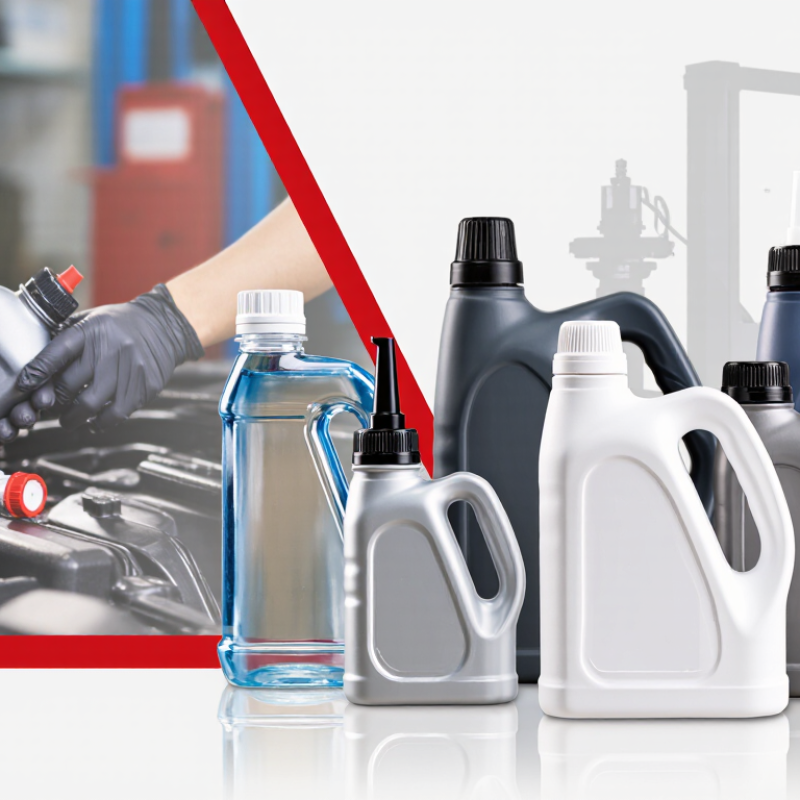
Why Is Automotive Lubricants Packaging Important?

What Automotive Lubricants Packaging Is and Why It Matters

Why Is Automotive Lubricants Packaging Important?

What Automotive Lubricants Packaging Is and Why It Matters

Automotive lubricants packaging includes bottles, pails, drums, caps, seals, labels, and transport cartons. It protects oil from moisture, dust, sunlight, and accidental contamination. A clean, sealed container helps preserve viscosity and additive performance. It also gives technicians practical information, including grade, application, batch code, and storage guidance. Packaging is not decoration. It is part of product quality control.

The OECD Global Plastics Outlook reports that only 9% of global plastic waste was recycled in 2019. This figure makes material selection increasingly important. Recyclable high-density polyethylene can support lower-impact packaging when collection systems actually exist. That last condition matters. A recyclable container is not automatically recycled. The United Nations Environment Programme also warns that plastic waste could nearly triple by 2060 without stronger intervention. Better design should reduce unnecessary material, improve emptying, and support accurate dosing. Small details matter. A poorly fitting cap can leak inside a workshop cabinet.

Tips: Choose containers with tamper-evident seals, readable markings, and stable handles. Check compatibility between lubricant chemistry and packaging material. Store containers upright, away from heat and direct sunlight. Keep batch information visible after opening. In practice, labels sometimes fade too quickly, especially near engines. That is a design weakness worth correcting, not ignoring. Packaging cannot repair incorrect lubricant selection or careless handling. It can, however, prevent avoidable mistakes before they reach the vehicle.

How Packaging Protects Lubricants During Storage and Transport

Automotive lubricants face heat, vibration, moisture, and dust during storage and transport. Packaging creates a controlled barrier against these threats. A sealed container limits oxidation and prevents water entry. It also reduces contamination from metal particles, fibers, and warehouse debris. Small failures matter. A loose cap can turn clean lubricant into costly waste.

Packaging geometry also protects containers from impact and stacking pressure. ASTM D4169 distribution tests evaluate vibration, shock, compression, and handling risks. These tests reflect real warehouse conditions, including pallet movement and repeated loading. A rigid bottle, secure closure, and compatible liner help preserve viscosity and additive balance. However, stronger packaging is not always better. Excess material increases cost and environmental pressure.

The OECD Global Plastics Outlook reported 353 million tonnes of plastic waste in 2019. That figure challenges lubricant packagers to improve protection without simply adding more plastic. The World Bank’s What a Waste 2.0 report projected municipal solid waste could reach 3.40 billion tonnes annually by 2050. Material efficiency therefore deserves practical attention. Thinner walls, recyclable formats, and accurate fill levels can reduce waste. Yet lightweighting can create a weak point. A container may survive the filling line but fail after vibration in a hot truck. Packaging decisions should combine laboratory testing, transport trials, and field experience. The overlooked detail is often the closure.

Which Materials and Designs Are Used for Lubricant Containers

Why Is Automotive Lubricants Packaging Important?

Which Materials and Designs Are Used for Lubricant Containers

Automotive lubricant containers must protect oil from moisture, dust, light, and accidental leakage. High-density polyethylene is widely used because it is tough, lightweight, and resistant to many lubricant formulas. Polyethylene terephthalate can provide clearer visibility and a more polished appearance. Metal cans and pails remain useful for larger volumes and demanding storage conditions. Each material has limits. Plastic may deform under heat, while metal can corrode if its inner coating fails.

Container design affects daily handling as much as material choice. A molded handle helps users pour heavy oil safely. Narrow spouts reduce drips around engine bays. Secure caps and tamper-evident seals support product integrity during transport. Graduated markings also help maintenance workers measure fluid accurately. However, attractive packaging is not automatically practical. A slippery bottle, weak grip, or poorly fitted cap can create real problems.

Tips: Match the container to the lubricant formula, storage temperature, and filling volume. Check seal performance before distribution. Use clear labels, strong handles, and stable bases. Test the package after drops and vibration, not only in ideal warehouse conditions. A design may pass a clean laboratory test, yet fail when handled with oily gloves. That gap deserves more attention.

Why Is Automotive Lubricants Packaging Important?

Lubricant containers must protect the product from moisture, contamination, leakage, and chemical interaction while remaining practical to handle and transport. Material selection affects container weight, durability, barrier performance, and end-of-life recycling.

Material density comparison: Lower-density plastics such as polypropylene and HDPE help reduce packaging weight, while aluminum and steel provide higher mechanical strength and impact resistance. Actual performance also depends on container thickness, closure design, additives, and manufacturing method.

Values show typical material density in grams per cubic centimeter (g/cm³); ranges vary by grade and formulation.

How Packaging Supports Product Quality, Safety, and Usability

Why Is Automotive Lubricants Packaging Important?

How Packaging Supports Product Quality, Safety, and Usability

Automotive lubricant packaging does more than hold liquid. It protects product quality from the filling line to the vehicle workshop. A tightly sealed cap helps prevent moisture, dust, and accidental leakage. Opaque containers can also reduce light exposure, which may support formula stability during storage. Small details matter.

In practical filling operations, technicians often inspect necks, closures, labels, and seals before cartons leave the facility. A clean opening helps keep particles away from the lubricant during pouring. Strong handles improve control when users lift heavy containers. Clear volume markings reduce guesswork. A readable batch code supports traceability if a quality question appears later.

Safety depends on design, not decoration. A secure closure can reduce spills during transport, while a tamper-evident feature shows whether the container was opened. Labels should present viscosity information, usage guidance, storage instructions, and handling warnings in a readable format. Tiny print is still a problem. Packaging can technically contain the right information but fail the user in a dim garage.

Packaging is not flawless. A cap may loosen after rough handling, or a label may fade after contact with oil. These weaknesses deserve testing under heat, cold, vibration, and repeated opening. Good packaging respects both the lubricant and the person using it.

How Sustainable Packaging Is Shaping the Automotive Lubricants Industry

Automotive lubricants move through workshops, warehouses, and service bays in demanding conditions. Their packaging must prevent leaks, protect product quality, and support safe handling. Sustainable packaging adds another responsibility: reducing environmental impact without weakening performance.

Packaging engineers increasingly examine the full product journey. A lightweight high-density container can reduce plastic use and transport emissions. Recycled resin may lower the need for virgin materials. However, recycled content must still meet strength and chemical-resistance requirements. A cracked bottle helps nobody. Neither does a container that leaks during delivery.

Design details matter on the workshop floor. Wide handles improve lifting, while clear volume marks reduce measurement errors. Secure caps prevent oily spills in storage areas. Simple labels can make sorting easier after use. Some packaging uses removable sleeves, helping recycling facilities identify the main container material. Yet local recycling systems differ widely. A technically recyclable package may still reach landfill. That gap deserves more attention.

Reusable bulk containers can reduce waste in high-volume service centers. They require reliable cleaning, collection, and inspection systems. Smaller repair shops may need practical return options instead. Sustainable packaging should fit real working habits, not only laboratory targets.

No package is perfect. A lighter design may offer less impact resistance. More recycled material may affect appearance or consistency. Honest environmental claims therefore depend on testing, traceable material data, and clear disposal guidance. The industry is moving forward, but better packaging will require engineers, distributors, technicians, and recyclers to solve the problem together.

FAQS

What does automotive lubricant packaging include?

It includes bottles, pails, drums, caps, seals, labels, and transport cartons. Each part supports protection and handling.

Why is lubricant packaging important?

It protects oil from moisture, dust, sunlight, and accidental contamination. A sealed container helps preserve viscosity and additive performance.

What information should appear on the label?

Labels should show grade, application, batch code, volume, storage guidance, and handling warnings. Readable text matters in dim garages.

How can packaging improve workshop safety?

Secure caps reduce spills during transport and storage. Strong handles improve control when lifting heavy containers.

What features help prevent contamination?

Clean openings, tight closures, and tamper-evident seals help keep particles and moisture away. Small details matter.

Is recyclable packaging always recycled?

No. Recycling depends on local collection and processing systems. A recyclable container may still reach landfill.

How can sustainable packaging reduce environmental impact?

Lightweight containers can reduce material use and transport emissions. Recycled resin may also reduce virgin material demand.

What are the limitations of lighter or recycled packaging?

Lighter designs may resist impacts less effectively. Recycled content can affect strength, chemical resistance, appearance, or consistency.

Can packaging solve every lubricant problem?

No. Packaging cannot correct wrong lubricant selection or careless handling. That needs human attention.

How should lubricant containers be stored?

Keep them upright, away from heat and direct sunlight. Keep batch information visible after opening. Labels may fade.

Conclusion

Automotive Lubricants Packaging plays an essential role in preserving lubricant quality from production to final use. Proper packaging protects oils and fluids from moisture, dust, heat, light, leaks, and chemical contamination during storage and transportation. It also helps maintain product integrity by using suitable materials, secure closures, protective seals, and practical container designs that reduce the risk of damage or accidental opening.

Beyond protection, effective packaging improves safety and usability by providing clear product information, convenient handling, accurate dispensing, and reliable storage. Common packaging options may include plastic, metal, or composite containers, selected according to the lubricant’s properties and intended application. As environmental expectations continue to grow, the industry is also adopting lighter designs, recyclable materials, reusable solutions, and packaging methods that reduce waste and resource consumption. In this way, Automotive Lubricants Packaging supports product performance, user convenience, operational safety, and more sustainable industry development.

Liam

Liam

Liam is a seasoned marketing professional with an exceptional understanding of our company’s products and services. With years of experience in the industry, he excels at translating complex technical details into accessible and engaging content for our audience. He is responsible for regularly......