
Featured Heavy-Duty IBC & Pressure Storage Tank Lineup
Custom-engineered stainless steel totes, horizontal/vertical pressure vessels, and UN-rated Intermediate Bulk Containers built for extreme corrosive and hazardous fluid containment.
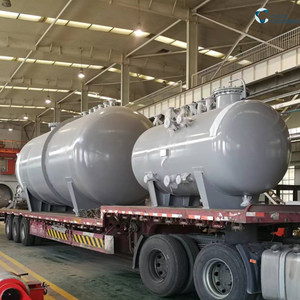
- Grade: SUS304 / SUS316L
- Cert: ASME Sec VIII Div 1
- Custom Vol: 500L - 20,000L
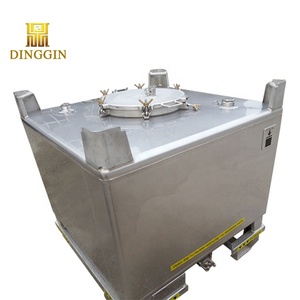
- UN Approval: Group II/III
- Capacity: 1000L / 1500L
- Thick: 2.0mm - 3.0mm
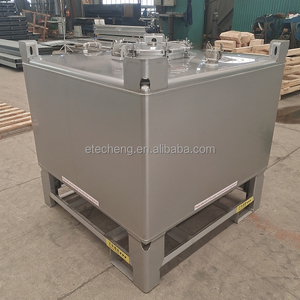
- Sloped Bottom Discharge
- Heavy Duty Stacking Frame
- 3-High Stack Rated
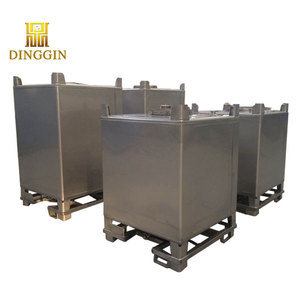
- Volume: 550 GAL / 2080L
- Material: Premium SUS304
- Forklift 4-Way Entry
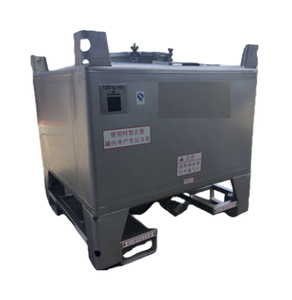
- Anti-Corrosion Coating
- Top Manhole: 400mm/450mm
- Pressure Relief Valve
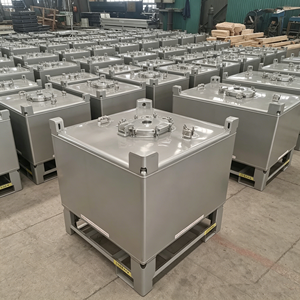
- Sanitary Internal Finish
- Anti-Rust Outer Coating
- 1-Year Structural Warranty
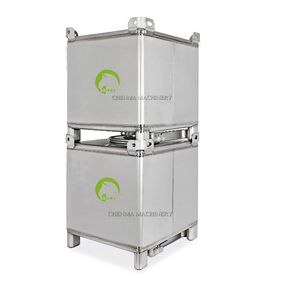
- Thermal Steam Jacket
- Temperature Control Ready
- Viscous Liquid Special
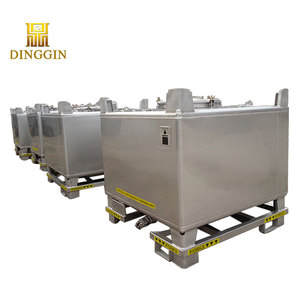
- Dual Material: 304/316L
- Volume: Up to 2000L
- Heavy Duty Galvanized Frame
Executive Sourcing Report: Heavy-Duty IBC Manufacturing in China
As global supply chains shift toward carbon-neutral circular economies and stringent hazardous material handling regulations, global enterprise procurement officers face increasing complexity when sourcing Heavy-Duty Intermediate Bulk Containers (IBCs). China has emerged as the premier engineering hub for high-specification stainless steel tote tanks, standard composite IBCs, and custom ASME pressure storage vessels. Selecting the right manufacturer requires navigating technical compliance, material integrity, non-destructive testing (NDT), and long-term total cost of ownership (TCO).
Why Top Global Chemical & Pharmaceutical Firms Source from China
Leading Chinese exporters have scaled automated manufacturing to meet stringent international standards including UN 31A/Y certification, ASME Section VIII Division 1, ISO 9001:2015, and FDA/EC food-contact directives. Modern heavy-duty IBC production facilities feature advanced robotic TIG/MIG welding units, automatic seam passivating equipment, X-ray weld inspection, hydrostatic test bays, and high-precision CNC laser cutting systems.
UN 31A/Y Certification
Fully compliant with international dangerous goods transport rules (IMDG, ADR, RID, CFR 49). Rated for Packing Group II and III liquid hazardous materials with high specific gravity.
ASME Code Compliance
Engineered to withstand positive internal pressures during transportation, process discharge, or pneumatic blanketing, backed by hydrostatic test certifications.
Custom Thermal Management
Optional steam/hot-water dimple heating jackets, electric trace heating, or polyurethane insulation covers tailored for high-viscosity resins, food oils, and wax products.
Future B2B Procurement & Technological Development Trends
The global industrial container landscape is undergoing a massive transformation driven by ESG compliance, digital supply chain tracking, and material science innovations. B2B buyers evaluating heavy-duty IBC exporters in China must align their sourcing strategies with four critical market trends:
1. Transition to Smart, IoT-Connected IBC Fleet Management
Modern heavy-duty stainless steel totes are no longer static storage units; they are intelligent supply chain assets. Top Chinese manufacturing exporters are integrating low-power ATEX-certified IoT telemetry sensors into IBC top manholes and discharge valves. These sensors provide global supply chain teams with real-time monitoring of:
- GPS Location & Geofencing: Automated tracking across maritime ocean freight and intermodal rail.
- Internal Tank Pressure & Temperature: Real-time alerts preventing thermal runaway or over-pressurization during transport.
- Fill-Level Telemetry: Ultrasonic level sensors providing accurate volume inventory to prevent dry-pumping or supply shortages.
2. ESG-Driven Closed-Loop Packaging Lifecycles
With multinational chemical corporations committing to Net-Zero Scope 3 emissions, single-use plastic pails and rigid composite IBCs face increasing regulatory scrutiny and landfill diversion fees. Heavy-duty stainless steel IBC totes (550-gallon and 1000L standard sizes) are designed for over 30 years of continuous service. At the end of their operational lifecycle, 100% of the stainless steel alloy is recoverable, creating a zero-waste packaging loop that directly aligns with global corporate ESG reporting.
3. Surface Passivation Science & Fluorine-Lined Anti-Corrosion Technologies
Handling ultra-pure electronic-grade chemicals (such as semiconductor photoresist strippers, hydrogen peroxide, or nitric acid mixtures) requires zero ionic leaching. Advanced Chinese exporters are pioneering electro-polishing finishes (Ra < 0.4µm) combined with automated citric/nitric acid passivation. For highly aggressive fluorinated or hydrochloric compounds, heavy-duty metallic totes are co-extruded or lined with high-density ETFE, PTFE, or PFA fluoropolymer coatings.
Technical Selection Matrix: Comparing IBC Container Types
Use the strategic engineering matrix below to evaluate container durability, pressure capabilities, and lifecycle performance against your operational chemical requirements:
| Performance Specification | Heavy-Duty Stainless Steel IBC | Pressure Storage Vessel (ASME) | Standard Composite IBC |
|---|---|---|---|
| Primary Material | AISI 304 / 316L Austenitic Steel | Stainless / Carbon Steel Alloy | HDPE Bottle + Galvanized Frame |
| Expected Service Lifespan | 25 - 35+ Years | 30 - 50+ Years | 2 - 5 Years (Limited Reuse) |
| Pressure Rating | 0.2 bar to 2.0 bar (Pneumatic Test) | Full Vacuum up to 50+ bar | Atmospheric / Non-Pressurized |
| UN Dangerous Goods Rating | UN 31A/Y (Group II & III Liquids) | UN Portable Tank / ASME Stamped | UN 31HA1 / Composite |
| Fire Safety & Flash Point | 100% Fireproof (High Flash Point Fuel) | Explosion-Proof / Fire-Rated | Meltable (Flammability Risk) |
| Stacking Capability | Up to 3-High Fully Loaded | Stationary or Skidded Mount | Up to 2-High (Strict Weight Limit) |
| Lifecycle ESG Impact | Zero Waste / 100% Recyclable | Permanent Asset Value | High Plastic Waste Output |
Frequently Asked Sourcing & Engineering Questions (FAQ)
Answers to technical, regulatory, and logistics queries commonly raised by international B2B buyers, supply chain directors, and chemical plant operations managers.
Q1: How do I choose between SS304 and SS316L for a chemical IBC?
SS304 is ideal for non-corrosive liquids, food products, diesel fuels, lubricants, and general industrial solvents. SS316L contains 2-3% molybdenum, which provides superior resistance to chloride pitting, acidic compounds, pharmaceuticals, and marine salt air environments. Select SS316L when transporting aggressive organic/inorganic acids or ultra-pure liquids.
Q2: What UN markings are mandatory for international hazardous chemical shipping?
For metallic heavy-duty IBCs transporting dangerous goods, containers must bear a permanent embossed UN plate displaying UN 31A/Y (31A signifies a rigid metallic IBC for liquids; Y indicates suitability for Packing Groups II and III). Plates must detail design pressure, test pressure, wall thickness, serial number, and re-inspection date stamps.
Q3: Can Chinese IBC factories manufacture custom capacities and dimensions?
Yes. Leading OEMs specialize in custom dimensional engineering to maximize ocean shipping container space (e.g., fitting 20 or 40 units inside standard ISO dry vans or flat racks). Popular custom sizes range from 500L, 800L, 1000L, 1250L, 1500L up to 2000L (550 Gallon) totes with sloped bottoms for 100% complete drainage.
Q4: What quality control tests are conducted before factory dispatch?
Reputable factories conduct 100% non-destructive testing (NDT), including pneumatic pressure leak testing (0.2-0.5 bar), hydrostatic pressure testing (2.0 bar), dye penetrant weld inspection, X-ray seam testing (for ASME vessels), surface roughness measurement (Ra meter), and wall thickness ultrasonic gauging.
Q5: How do heavy-duty heating jackets work on tote tanks?
Heating jackets can be dimple-jacketed (welded onto the tank body) or channel-welded for circulating steam, hot water, or thermal oil. They are used to heat viscous materials like resin, honey, chocolate, or heavy lubricants prior to discharge, ensuring fast, residue-free liquid transfer.
Q6: How are heavy-duty IBCs stacked and secured during shipping?
Heavy-duty steel IBC totes feature integrated heavy-gauge corner stacking posts and top lifting lugs. They are engineered to safely stack 3-high when fully loaded in storage facilities and 2-high during dynamic transit, significantly freeing up valuable floor space compared to non-stackable drums.
Why Partner With Our Certified Manufacturing Network?
Backing your bulk container procurement with over 330 combined years of industrial packaging engineering expertise, our global manufacturing ecosystem delivers unmatched technical leadership, consistent material traceability, and responsive OEM/ODM customization for buyers worldwide.
170+ Global Locations & Technical Support
Seamless international logistics, local service representation, and dedicated technical support across major industrial supply chain corridors.
Full Technical Traceability
Every raw stainless steel coil, valve assembly, and weld seam is backed by mill test certificates (MTC EN 10204 3.1) and complete quality control documentation.
Full Lifecycle Packaging Services
From initial CAD design engineering to end-of-life reconditioning, fleet management, and sustainable recycling programs.