
UN-Approved & Custom Stainless Steel IBC Tote Solutions
Engineered for chemical processing, fuel transport, sanitary food processing, and hazardous liquid containment. Direct factory wholesale from China's leading exporter.
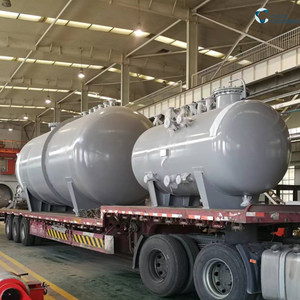
Stainless Steel Pressure Vessel Storage Tank Vertical/Horizontal Design
- Design: ASME VIII Div 1 Standard
- Media: Fuel, Diesel, Chemicals & Water
- Options: Vertical/Horizontal Orientations
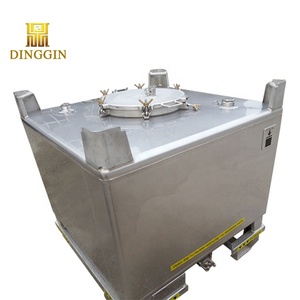
SS304/SS316L UN Approved 1000L/1500L Stainless Steel IBC Tote Tank
- Rating: UN 31A/Y Hazardous Transport
- Capacity: 1000 Liters & 1500 Liters
- Use: Petrol, Oils, Solvents, Raw Chemicals
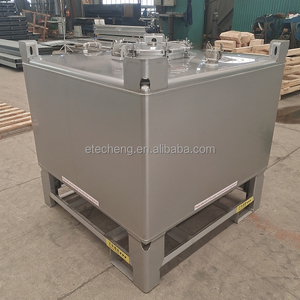
Customize 500L-2000L Stainless Steel Intermediate Bulk Containers
- Volume Range: 500L, 1000L, 1500L, 2000L
- Thickness: 2.5mm - 4.0mm SUS Steel
- Valves: Precision Ball/Butterfly Valves
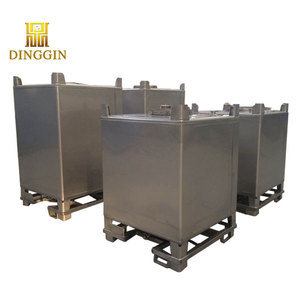
550 Gallon Heavy-Duty Stainless Steel IBC Tote Cube Water Tank
- Footprint: Standard ISO Container Fit
- Frame: 3-Way & 4-Way Forklift Entry
- Finish: Pickled & Passivated Interior
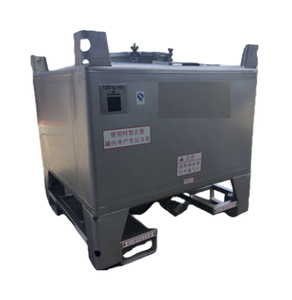
Factory Quality 304 Stainless Steel 1000L Storage IBC Tote Tank
- Material: Prime Grade SUS304
- Stacking: 3-High Fully Loaded Capacity
- Testing: 100% Hydrostatic & Air Leakage
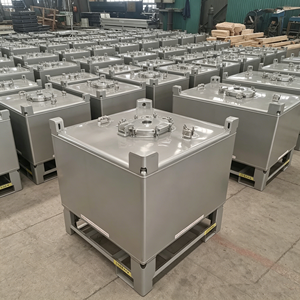
JST Brand 1000L Stackable Stainless Steel IBC Tank Anti-Rust
- Sanitary: Mirror Polish & Anti-Rust Coating
- Warranty: 1 Year Comprehensive Coverage
- Application: Corrosion-Resistant & Food Use
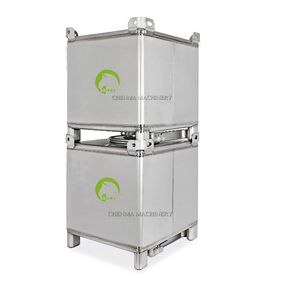
Stackable Stainless Steel IBC Tank with Heating/Cooking Jacket
- Thermal Control: Steam / Glycol Dimple Jacket
- Sizes: 500L, 1000L, 2000L Options
- Use: High Viscosity Resins, Oils, Foods
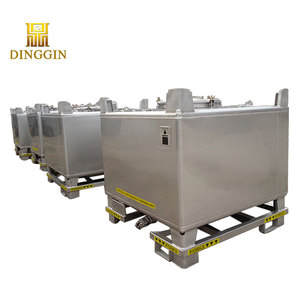
350GAL/550GAL SUS304 SUS316L Stainless Steel IBC Container
- Material Options: SUS304 & SUS316L Alloy
- Certification: ISO 9001 / UN Dangerous Goods
- Direct Wholesale: Competitive OEM Export
Navigating Global FIBC & Stainless Steel IBC Sourcing: A 2026 Engineering & Procurement Guide
In modern industrial chemical manufacturing, pharmaceutical logistics, and bulk liquid export, selecting the optimal container architecture is a crucial driver of operational safety, compliance, and Total Cost of Ownership (TCO). As global chemical supply chains shift toward carbon-neutral circularity, B2B buyers face a decisive choice: deployed single-use or composite flexible bulk containers (FIBCs) versus reusable, heavy-duty stainless steel Intermediate Bulk Containers (IBCs).
China has solidified its position as the premier global hub for bulk packaging equipment manufacturing. Modern Chinese OEM/ODM suppliers combine advanced robotic welding, automatic passivation, and rigid non-destructive X-ray inspection to deliver UN 31A/Y-certified steel totes and flexible cleanroom FIBC liners that consistently meet or exceed international regulatory thresholds (ASME, DOT 57, ISO 15867, and IMDG Codes).
Key Procurement Insight: Moving from standard composite HDPE plastic totes to reusable SUS304/SUS316L metal IBCs cuts long-term packaging costs by up to 64% over a 10-year lifecycle while eliminating toxic plastic container disposal fees and ensuring 100% fire-safe liquid storage (NFPA 30 compliant).
Material Science & Structural Metallurgy: SUS304 vs. SUS316L
When procuring rigid metal IBCs or flexible liner systems, metallurgical selection determines structural longevity and chemical resistance. Standard liquid raw materials—such as lubricants, paints, vegetable oils, and non-corrosive solvents—perform reliably in cold-rolled SUS304 (UNS S30400) containers. However, aggressive organic acids, active pharmaceutical ingredients (APIs), aromatic hydrocarbons, and halogenated compounds demand the elevated nickel-molybdenum alloy profile of SUS316L (UNS S31603) to prevent intergranular pitting corrosion and localized stress cracking under thermal oscillation.
Industrial Packaging Specification & Performance Matrix
Compare key architectural parameters across Stainless Steel IBC Totes, Heavy-Duty Woven Flexible IBCs (FIBCs), and Standard Composite HDPE Totes to align packaging choices with your facility’s logistics footprint.
| Performance Parameter | Stainless Steel IBC (SUS304/316L) | Flexible IBC (FIBC / Big Bag) | Composite Rigid HDPE Tote |
|---|---|---|---|
| Volumetric Capacity Range | 500L – 2,000L (130 – 550 Gal) | 500kg – 2,000kg (Custom Fibers) | 1,000L (275 Gal standard) |
| UN Hazardous Class Rating | UN 31A/Y (Group II & III Liquids) | UN 11H2 (Solid Powders/Granules) | UN 31HA1 (Limited Liquid Group) |
| Design Service Life | 15 to 25+ Years (Reusable) | Single-use to 5-Trip Reusable | 1 to 3 Years Maximum |
| Fire Safety (NFPA 30 Standard) | Full Compliance (Combustible/Flammable) | Non-Compliant (Flammable Dust Exception) | Fails (Melts & Spreads Fuel) |
| Stacking Dynamic Capacity | 3-High Fully Loaded Static Stacking | 2-High Max (Requires Pallet Rack) | 2-High Maximum (Risk of Cage Collapse) |
| Cleaning & Sanitization | 100% CIP (Clean-In-Place) & Steam Sterilization | Disposable Polyethylene Liners Required | Difficult Chemical Wash / Permeation Risk |
| Thermal Control Options | Dimple Steam Jackets / Electric Blankets | Thermal Foil Insulated Bags | Extremely Limited Insulation |
Why Global Supply Chain Leaders Source From Our OEM/ODM Facilities
As a leading Chinese wholesale manufacturer and exporter backed by over three centuries of combined industrial packaging heritage, we operate state-of-the-art production hubs built to deliver uncompromising quality, continuous scale, and rapid international fulfillment.
Robotic Laser Welding & Passivation
Every tank seam is produced with automated TIG/Plasma longitudinal seam welding, followed by full chemical pickling and passivation to guarantee zero contamination traps for sanitary chemical and food applications.
Full Regulatory Compliance
Totes undergo rigorous third-party inspection to receive UN 31A/Y certification, ASME Boiler & Pressure Vessel Code approval, and FDA/USDA food-contact sanitization validation prior to export dispatch.
Custom Thermal Architecture
We specialize in manufacturing heating dimple jackets, internal cooling coils, insulation blankets, and automatic pressure relief systems for high-viscosity resins, food waxes, and temperature-sensitive chemicals.
Future Procurement Trends in Flexible & Metal IBC Packaging (2026–2030)
1. IoT Sensor Integration & Smart Fleet Management
Modern global logistics demands real-time visibility. Next-generation metal IBCs and flexible bulk containers are increasingly specified with ATEX-certified IoT telematics devices. Integrated sensors continuously transmit telemetry on real-time liquid level tracking, internal temperature, pressure dynamics, GPS geofencing, and impact detection directly to cloud-based ERP enterprise systems.
2. Hybrid Packaging: Reusable Outer Totes with Cleanroom Liners
To eliminate expensive container washing and cross-contamination hazards in multi-product facilities, procurement teams are rapidly adopting hybrid packaging strategies. Combining a heavy-duty stackable stainless steel outer frame with sterile, single-use multi-layer barrier liners allows instant product changeovers without chemical effluent disposal costs.
3. Circular ESG Frameworks & Zero Plastic Mandates
Multinational chemical conglomerates face mounting regulatory pressure to eliminate single-use plastics under strict European Union and North American ESG reporting guidelines. Reusable stainless steel IBCs—which are 100% recyclable at end of life—provide a proven path to zero-landfill operations while significantly reducing Scope 3 supply chain carbon footprints.
Frequently Asked Questions (FAQ)
Clear, technical answers to common questions asked by B2B buyers, supply chain managers, and process engineers when procuring wholesale IBCs from China.
Streamline Your Bulk Packaging Supply Chain Today
Request customized technical drawings, factory-direct wholesale pricing, and our complete 2026 Flexible & Metal IBC Engineering Catalog. Our international technical team responds within 12 hours.