
Collapsible SS304
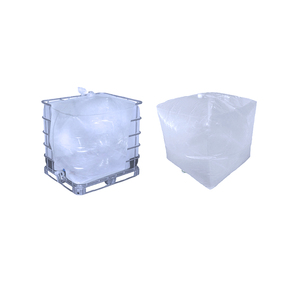
Direct factory supply of stainless steel, rigid composite, and collapsible IBC containers complying with FDA 21 CFR 177.1520 and EU Directive 10/2011 standard requirements.
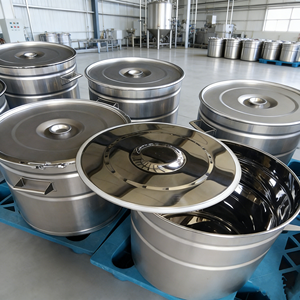
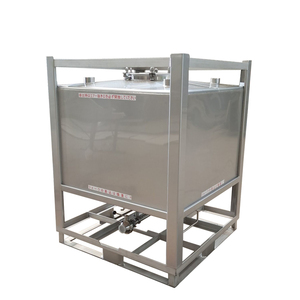
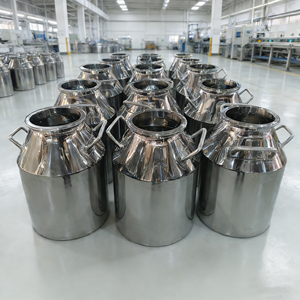
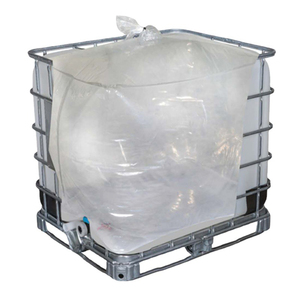
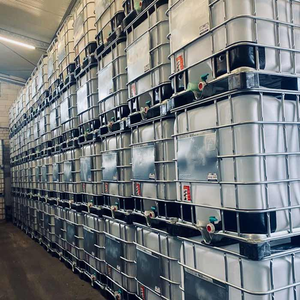
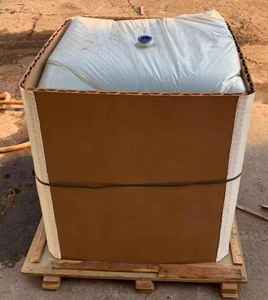
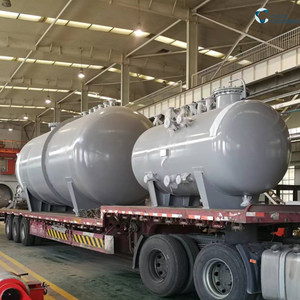
In modern high-capacity food processing, beverage production, and edible oil logistics, intermediate bulk containers (IBCs) serve as critical links in global bulk distribution. Selecting an experienced China wholesale food grade IBC manufacturer and supplier requires rigorous technical evaluation that goes far beyond basic volumetric capacity. It demands strict verification of chemical compatibility, sanitary discharge mechanisms, structural integrity during multi-tier intermodal transport, and compliance with international regulatory frameworks including FDA 21 CFR 177.1520, EU Regulation 10/2011, ISO 22000, and Kosher/Halal certification parameters.
As global supply chains place greater emphasis on operational efficiency and environmental sustainability, procurement teams are transitioning from single-use packaging to reusable, heavy-duty stainless steel (SS304/SS316L) IBCs and foldable, space-saving hygienic IBC systems with sterilized inner aseptic liners. This industry guide details core material engineering standards, sanitary valve mechanics, returnable logistics financial models, and quality assurance protocols for global wholesale IBC procurement.
Food-grade packaging requires zero-migration polymers or electropolished 304/316L stainless steel surfaces (Ra < 0.4 µm) to eliminate microbial harborage points. Always ensure your supplier provides comprehensive Migration Test Certificates and Factory Acceptance Testing (FAT) records for every production batch.
The choice of material directly affects product shelf-life, cross-contamination risks, thermal cleaning limits, and total cost of ownership (TCO). Leading Chinese manufacturers offer two primary categories of food-grade IBC containers designed for high-density liquid bulk processing:
The discharge mechanism represents the highest point of biological hazard during fluid transfer. High-purity food processing requires precision-machined valves designed with dead-space-free internal geometries. Advanced Chinese OEM factories integrate sanitary food-grade valves featuring:
Direct comparative engineering data to assist procurement managers, quality assurance leads, and supply chain directors in specifying the optimal IBC configuration.
| IBC Container Category | Material Construction | Sanitary Rating | Thermal Operating Range | Max Stackability | Primary Industrial Applications |
|---|---|---|---|---|---|
| Collapsible SS304 Folding Tank | AISI 304 Stainless + Aseptic Bag | Ultra Sterile | -40°C to +150°C | 3-High Loaded | Liquid eggs, fruit purees, dairy mixes, high-value aromas |
| Rigid ISO Stainless Steel IBC | Heavy-Gauge SS304 / SS316L | CIP/SIP Sterilizable | -50°C to +200°C | 4-High Loaded | Purified water, edible oils, pharmaceutical liquids, syrups |
| Composite Rigid Bottle IBC | Virgin HDPE + Galvanized Frame | FDA Compliant | -20°C to +60°C | 2-High Loaded | Bulk vinegar, soy sauce, food additives, potable water |
| Collapsible Plastic Ton Box | PP Corrugated + PE Liner | Single-Use Aseptic | -10°C to +50°C | 2-High Loaded | Export fruit juice concentrates, vegetable oils, glucose |
| ASME Pressure Vessel IBC | Thick-Plate SS316L (ASME VIII) | High-Pressure CIP | -50°C to +250°C | 4-High Loaded | Pressurized beverage syrups, spirits, hazardous food extracts |
Integrating state-of-the-art automated manufacturing with stringent international quality standards to deliver robust container solutions for worldwide distribution.
All food-grade plastic components, inner liners, and valve assemblies are molded, assembled, and vacuum-sealed inside dust-free ISO Class 8 cleanrooms to guarantee zero microbiological or particulate contamination.
Our stainless steel IBC containers feature automated TIG welding along with full chemical pickling and electropolishing, achieving a ultra-smooth internal finish (Ra < 0.4 µm) that prevents bacterial growth.
Fully certified under FDA 21 CFR, EU 10/2011, UN Dangerous Goods Packaging Standards (UN 31A/Y), ISO 9001:2015, FSSC 22000, along with Kosher and Halal audits for global trade compliance.
The global bulk food packaging market is undergoing a structural shift driven by stringent decarbonization targets and real-time supply chain transparency needs. Buyers sourcing wholesale food-grade IBCs from China are prioritizing two key technical advancements:
Modern stainless steel and rigid food-grade IBC containers are increasingly equipped with ATEX/IECEx-certified IoT telematics devices. These sensors collect real-time data on container GPS location, internal fluid temperature, pressure spikes, ambient humidity, and tilt status. For perishable food assets—such as raw liquid milk, pasteurized fruit juices, or active yeast slurries—real-time telemetry prevents thermal degradation and alerts quality managers prior to load spoilage.
Freight movement of empty rigid containers represents a major inefficiency in closed-loop supply chains. Modern collapsible food-grade IBC tanks reduce return freight volumes by up to 75% to 80%. When folded, up to 5 times as many empty units can be packed into a standard 40-foot high-cube sea container, dramatically lowering carbon emissions per trip and generating substantial long-term logistics savings.
| Packaging Metric | Traditional 200L Steel Drums (5 Units) | Standard Rigid 1000L IBC | Collapsible SS304 Food IBC |
|---|---|---|---|
| Tare Weight per 1000L Payload | ~110 kg (22 kg × 5) | ~58 kg to 65 kg | ~85 kg (Reusable Container) |
| Return Freight Space Utilization | 1:1 (Fixed Volume) | 1:1 (Fixed Volume) | 4:1 to 5:1 (Folded Stack) |
| Product Residual Loss After Emptying | Up to 2.5% across 5 drums | ~1.0% near sump valve | < 0.2% with sloped discharge |
| Cleaning Cost per Trip | High (5 separate washes) | Moderate (CIP washing) | Zero (Single-use aseptic bag) |
While heavy-duty stainless steel or collapsible IBC containers carry a higher initial capital expenditure (CapEx) than low-grade plastic drums, their lifetime operating expenses (OpEx) tell a different story. Over a 5-year operational lifecycle spanning 60 return trips, a high-quality SS304 reusable IBC container reduces packaging cost-per-liter by over 62% compared to single-trip drums, while preventing hundreds of single-use plastic drums from entering landfills.
Answers to common technical, regulatory, and logistics queries from global B2B buyers sourcing food-grade IBC containers from China.
A genuine food-grade IBC must feature material certificates verifying FDA 21 CFR 177.1520 (for virgin polymers) or mill test certificates for AISI SS304/SS316L stainless steel. Additionally, the manufacturer should supply overall migration test reports under EU 10/2011 standards and hold ISO 22000 or FSSC 22000 food safety management certifications.
SS304 is the standard, highly cost-effective grade suitable for purified water, vegetable oils, syrups, and general food additives. SS316L contains added molybdenum, offering superior resistance to pitting corrosion caused by high-chloride liquids, acidic food products (such as citrus concentrates or vinegar), and saline solutions.
Yes. Our rigid stainless steel IBC containers are designed with top-mounted sanitary triclamp ports to accept rotating spray balls for automated CIP and high-temperature steam sterilization (SIP). For collapsible IBC models, cleaning is eliminated entirely by using new pre-sterilized, single-use food-grade inner pillow bags for every filling cycle.
We offer extensive custom design options, including custom volumetric capacities (from 500L up to 1500L), heating jacket integrations (steam or electrical tracing for products like chocolate or wax), specialized valve configurations (DN50/DN80 butterfly or ball valves), custom steel frame color powder-coating, company logo laser etching, and integrated RFID tracking tags.
Rigid stainless steel and composite IBCs are stacked and secured on export-grade heavy-duty pallets with protective corner guards and stretch wrap. Collapsible models are shipped in compact folded form, allowing up to 120–150 folded units to be loaded per 40-foot High Cube container, maximizing sea freight efficiency.
Standard IBC configurations (such as 1000L SS304 or composite models) usually ship within 15 to 20 days. Custom-engineered pressure vessel tanks, heated IBCs, or high-volume OEM orders typically carry a production lead time of 25 to 35 days, supported by complete Factory Acceptance Testing (FAT) records prior to dispatch.
Partner with China's leading certified food-grade IBC manufacturer. Connect with our engineering and procurement team for custom technical drawings, material certifications, and tiered wholesale pricing.