
Featured Composite IBC Totes & Specialized Containment Solutions
Engineered for hazardous liquid storage, chemical distribution, and precision cold-chain management. Fully customizable via OEM/ODM specs with global UN compliance.
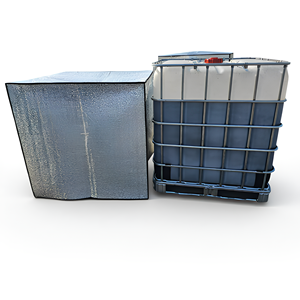
Chemical Warehouse Freeze Protection Composite IBC Heating Jacket
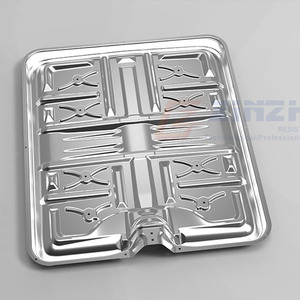
Plastic IBC Chemical Tote Tank with Composite Metal Steel Base Plate
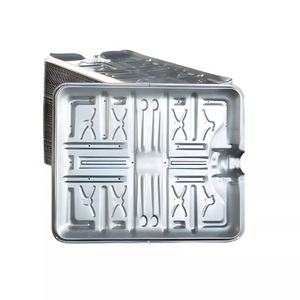
Composite Plastic IBC Tank with Steel Base Plate & Integrated Metal Pan
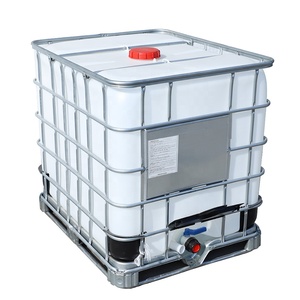
HDPE 1000L Chemical IBC Tank with Galvanized Tubular Steel Frame
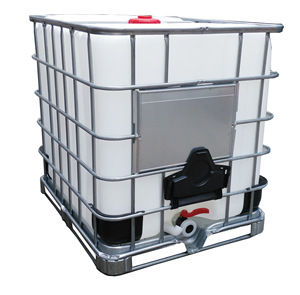
High-Density PE Industrial Water & Liquid IBC Tote with Steel Cage
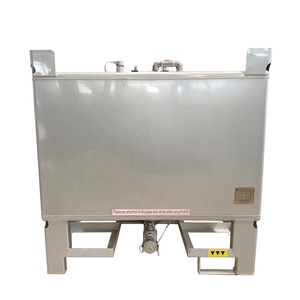
Customized 500L/1000L Heavy-Duty Stainless Steel Composite IBC Tank
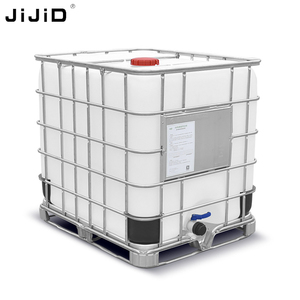
Factory Direct High-Quality 500L / 1000L / 1200L Chemical IBC Storage Totes
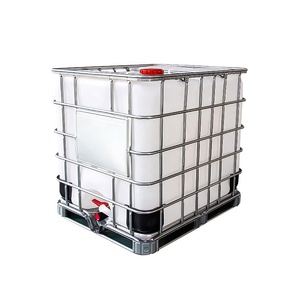
Clear 1000L Square High-Density Plastic & Steel Composite IBC Equipment
Engineering Principles of Next-Generation Composite IBC Totes
In the realm of global hazardous materials transportation and bulk liquid logistics, the modern Composite Intermediate Bulk Container (IBC) represents the pinnacle of multi-material structural design. By combining the chemical inertness and corrosion resistance of high-molecular-weight high-density polyethylene (HMW-HDPE) with the high tensile strength of galvanized tubular steel cages, composite IBCs provide an unmatched weight-to-payload ratio. As global B2B procurement managers evaluate manufacturers and exporters for large-scale chemical supply chains, understanding the nuance of OEM/ODM engineering parameters becomes paramount to ensuring operational safety, regulatory compliance, and total cost of ownership (TCO) optimization.
Multi-Layer Extrusion & Barrier Technology
Modern OEM production utilizes 3-layer to 6-layer co-extrusion blow molding systems. By embedding ethylene vinyl alcohol (EVOH) inner barrier layers, composite IBCs prevent organic solvent permeation, oxygen degradation, and chemical odorous off-gassing with zero material leaching.
UN-Certified Structural Integrity
Engineered to meet rigorous UN 31HA1/Y packaging guidelines under international regulations (ADR/RID, IMDG Code, ICAO). Every batch undergoes rigorous hydraulic pressure testing (200 kPa), drop tests at -18°C, and 28-day stacking compression loads.
Ex-Zone Anti-Static & ESD Protection
For flammable Class 3 liquids operating in Zone 1 and Zone 2 explosive environments, custom ODM inner liners feature conductive outer layers (surface resistance < 109 ohms) integrated with grounding clamps to safely dissipate electrostatic charges.
Enterprise Advantage: Integrated Closed-Loop Lifecycle Management
Drawing upon more than 330 combined years of industrial packaging heritage across 170+ global locations, leading composite IBC manufacturers do not merely produce containers—they engineer complete circular supply chains. Through automated reconditioning protocols, spent IBC totes are collected, washed, re-bottled, and quality-tested for multi-trip reusability. Incorporating up to 50% Post-Consumer Recycled (PCR) HDPE resin into non-contact outer layers enables multinational chemical exporters to drastically curtail scope 3 carbon emissions without sacrificing structural yield strength.
Composite IBC Base Pallet Engineering: Technical Comparison Matrix
Selecting the optimal composite base pallet configuration is critical for warehouse automation, high-density racking stability, and sea-freight container payload optimization.
| Pallet Type | Structural Composition | Tare Weight (kg) | Chemical/Moisture Resistance | Automated Conveyor Compatibility | Ideal Application Profile |
|---|---|---|---|---|---|
| Composite Metal/Steel Pan | Galvanized sheet steel welded to tubular perimeter frame | ~57 - 61 kg | High (Anti-Corrosion Galvanized) | 100% (Precision Tolerances) | Heavy industrial chemicals, high-rack automated warehouses |
| Full Plastic Pallet | Injection-molded HDPE / PCR resin with steel reinforcement bars | ~54 - 58 kg | Extreme (Immune to acids, alkalis, rust) | High | Pharmaceutical intermediates, food & beverage, corrosive acids |
| Steel Frame / Wood Hybrid | Heat-treated IPPC ISPM-15 wood enclosed in galvanized steel wrap | ~59 - 65 kg | Moderate | Moderate | Cost-sensitive one-way export shipments, standard freight |
| Heavy Stainless Steel Base | 304 / 316 Grade Stainless steel pan and frame structure | ~68 - 85 kg | Maximum (Cleanroom & CIP Compatible) | High | Ultra-pure chemicals, high-purity API pharma, food-grade syrups |
Future Procurement & Technological Trends (2025–2035)
As global sustainability mandates tighten (including the European Union’s Packaging and Packaging Waste Regulation - PPWR) and digital supply chain visibility becomes mandatory, the procurement landscape for composite IBC totes is undergoing a paradigm shift. B2B buyers must align with OEM/ODM manufacturers capable of delivering technological advancements in three core sectors:
1. IoT Telemetry & Smart IBC Tracking
Future-ready IBC totes are equipped with factory-integrated, ATEX-certified IoT sensors embedded directly inside the top cap or discharge valve. Real-time cellular/GPS telemetry provides supply chain managers with continuous monitoring of container location, internal fluid temperature, liquid fill levels, tilt/shock events, and valve tamper alerts.
2. Closed-Loop PCR Material Mandates
Corporate ESG commitments are driving the adoption of multi-layer inner bottles where up to 50% of the middle structural layer consists of high-purity Post-Consumer Recycled resin (PCR-HDPE). Advanced co-extrusion guarantees that virgin resin lines the liquid contact layer, preserving UN rating integrity while reducing scope 3 embodied carbon by up to 35%.
3. Digital Product Passports (DPP)
In accordance with upcoming global circular economy standards, every manufactured IBC tote will feature laser-etched QR codes linked to a blockchain-backed Digital Product Passport. Buyers can instantly audit complete manufacturing history, UN test certificates, chemical clearance logs, and certified reconditioning cycles.
Industrial IBC Market Development Trends
The global market for composite IBC totes is projected to exceed $4.2 billion by 2030, propelled by rapid industrialization, expanding chemical export corridors in North America, Asia-Pacific, and Europe, and the replacement of traditional 55-gallon drums. Key structural factors accelerating market growth include:
- Volumetric Efficiency: A single 1000L composite IBC tote replaces five standard 208-liter (55-gallon) steel drums, reducing freight handling time by 70% and maximizing ISO sea container space utilization by up to 25%.
- Automated Handling Integration: Modern composite pallets feature 4-way forklift access and standardized dimensions (1200 x 1000 mm) optimized for high-speed automated storage and retrieval systems (ASRS).
- Specialized Thermal Control: Surging demand for temperature-sensitive agrochemicals, polymers, and food additives has spiked adoption of heated IBC blankets, insulating jackets, and stainless steel internal heat exchanger coils.
Frequently Asked Questions (FAQ) for Global Buyers
Detailed technical answers to standard purchasing, OEM customization, compliance, and international logistics questions.
OEM (Original Equipment Manufacturer): Under OEM service, we manufacture composite IBC totes exactly to your provided blueprint specifications, including custom color branding, specific valve configurations (DN50 butterfly, DN80 ball valves), custom corner tag plates, and dedicated logo embossing on the HDPE inner tank.
ODM (Original Design Manufacturer): Under ODM service, our R&D engineering team designs a customized bulk packaging solution from scratch based on your liquid chemical's specific physical characteristics (viscosity, specific gravity up to 1.9, vapor pressure, static charge risk) and transport environment. This includes custom structural steel cage reinforcements, specialized barrier layer formulations (e.g., Level 3/5 fluorination or EVOH barrier co-extrusion), and custom pallet designs.
Any substance classified under international dangerous goods codes (UN Class 3, 6.1, 8, or 9) for sea (IMDG), road (ADR), or air (ICAO/IATA) transport mandatory requires a UN-approved container. UN ratings indicate the packaging group: Group I (X-rating) for high danger, Group II (Y-rating) for medium danger (standard for most hazardous industrial chemicals), and Group III (Z-rating) for low danger. Our standard composite IBCs carry UN 31HA1/Y certifications, qualified for liquids with specific gravities up to 1.9 and hydraulic test pressures up to 200 kPa.
For transporting flammable solvents or operating inside explosive atmospheres (Ex-Zone 1 and Zone 2), standard HDPE totes pose static discharge risks. We offer specialized anti-static ODM composite IBCs featuring an outer conductive HDPE layer, grounding cables connecting the inner valve directly to the steel cage and pallet, and optional nitrogen purging valves to eliminate spark hazards.
For standard 1000L composite IBC totes with default specifications, minimum order quantities start at 1x40HQ container load (approx. 42 units fully assembled or 80-120 units knockdown compact freight). For fully customized OEM/ODM projects (custom mold tooling, unique valve thread pitches, specialized inner layer co-extrusion), production lead times range between 15 to 25 business days following sample sign-off and factory testing clearance.
Fluorination involves exposing the inner HDPE surface to fluorine gas under controlled pressure and temperature. This process chemically alters the surface polymer structure, creating a fluorocarbon barrier layer that resists swelling, softening, and permeation by aggressive non-polar solvents, aromatic hydrocarbons (such as xylene or toluene), chlorinated solvents, and agricultural pesticides.
Through our global circular packaging network spanning 170+ locations worldwide, we provide closed-loop reconditioning. Used composite IBC cages and pallets are collected, high-pressure washed, structural frames are integrity-inspected, and damaged inner plastic bottles are replaced with fresh virgin or PCR-integrated inner tanks ("rebottling"). This extends cage service lifecycles up to 10+ years while dramatically decreasing total capital expenditure.
Unrivaled OEM/ODM Manufacturing & Export Strengths
Partnering with an established industrial packaging leader provides your enterprise with distinct competitive advantages:
✓ Fully Automated High-Speed Extrusion
State-of-the-art multi-layer blow molding machinery ensures razor-thin wall thickness tolerances, zero structural stress points, and optimized resin distribution throughout the bottle corners.
✓ End-to-End Quality Assurance & Traceability
100% online leak testing, automated ultrasonic wall measurement, micro-void detection, and individual barcode identification on every container leaving the production line.
✓ Global Network & Local Responsiveness
Supported by over 10,000 dedicated packaging professionals across 170+ worldwide sites, guaranteeing local inventory buffering, quick turnarounds, and direct regulatory guidance.
✓ Flexible Export Logistics (CKD / SKD)
We offer Complete Knock Down (CKD) and Semi Knock Down (SKD) packaging options, allowing bulk importers to double sea-container packing density and assemble locally.
Optimize Your Global Chemical Packaging Supply Chain
Whether you require standardized 1000L UN-certified composite IBC totes, custom OEM conductive anti-static tanks, or specialized ODM thermal heating blankets—our global engineering team is ready to deliver tailored solutions.