
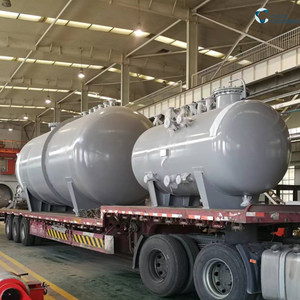
OEM & Enterprise Product Catalogue
High-Purity Storage & Intermediate Bulk Containers
Engineered for hazardous chemicals, high-viscosity food liquids, pharmaceutical actives, and petroleum transport under ASME & UN certification.
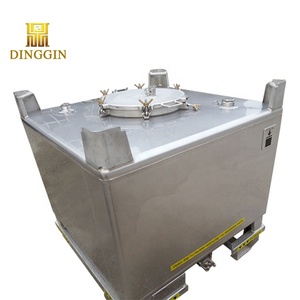
SS304/SS316L China UN Approved 1000l Stainless Steel Ibc Tote tank 1500l Manufacturer For Petrol/oil/chemical/Storage
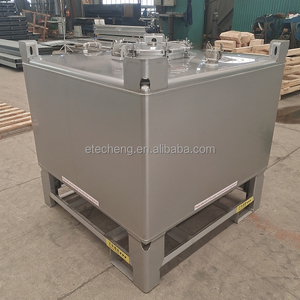
Customize 500L 1000L 1500L 2000L IBC Tank Stainless Steel Tote Tank Intermediate Bulk Containers for Chemical
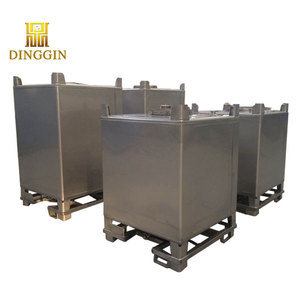
550 Gallon Stainless Steel Material Ibc Tote Cube Water Tank
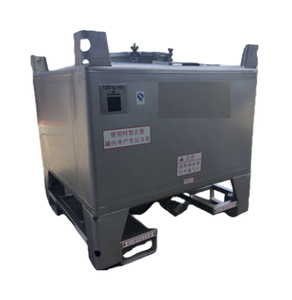
Factory Quality 304 Stainless Steel 1000L Storage IBC Tote Tank for Chemical Material Storage
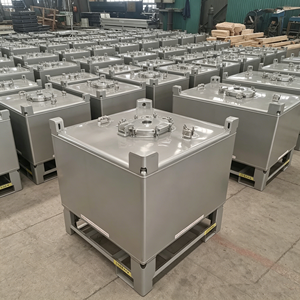
JST Brand 1000L Stainless Steel Stackable Storage IBC Tank Anti-Rust Coating 1 Year Warranty For Corrosion-Resistant Food Use
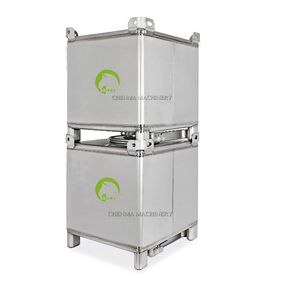
Stackable Stainless Steel IBC tank 500L 1000L 2000L Tote tank with Cooking Jacket for Sale
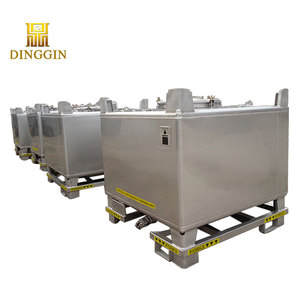
350GAL 550GAL 1500L 2000L STAINLESS STEEL IBC TOTE TANK CONTAINER INTERMEDIATE BULK CONTAINERS SUS304 SUS316L MATERIAL FACTORY
Executive Summary: The Critical Role of Form-Fit IBC Liners in Global Liquid Supply Chains
In modern industrial bulk liquid logistics, the operational demand for zero cross-contamination, rapid turnaround times, and strict environmental compliance has elevated Intermediate Bulk Container (IBC) tank liners from simple packaging accessories to mission-critical assets. As multi-national chemical formulators, food and beverage processors, and pharmaceutical manufacturers transition toward circular economy mandates, the integration of single-use and reusable pillow and form-fit liners inside rigid steel and composite IBCs has revolutionized Total Cost of Ownership (TCO).
Industrial IBC tank liners eliminate the intensive water consumption, chemical detergent effluent, and downtime traditionally required for cleaning rigid vessel interiors. When paired with heavy-duty stainless steel totes (SUS304/SUS316L) or composite rigid plastic containers, high-barrier film liners create a hermetically sealed barrier that protects sensitive cargoes from oxygen ingress, moisture absorption, atmospheric degradation, and microbial contamination during international transit across ISO maritime routes.
68%
Water Usage Reduction via Liner Systems
Zero
Cross-Contamination Risk in Multi-Batch Filling
99.8%
Product Discharge Efficiency (Form-Fit Design)
< 0.1
OTR (cc/m²/24h) in EVOH Barrier Co-Extrusions
Information Gain Insight: Modern procurement strategy no longer views the outer container (rigid stainless steel or bottle-in-cage) and the inner liner as isolated purchases. The engineering synergy between vessel geometry, valve fitment mechanics, and liner film co-extrusion directly dictates product yield, UN hazard rating compliance, and scope 3 emissions reduction performance.
Technical Breakdown: Polymer Chemistry & Barrier Layer Engineering
Choosing the correct IBC liner requires a rigorous evaluation of the fluid dynamics, chemical reactivity, filling temperatures, and storage durations. Manufacturers utilize multi-layer co-extrusion technology to bond distinct functional polymers into seamless, high-flex-crack-resistant barrier films ranging from 50 to 300 microns in thickness.
LLDPE & LDPE Standard Liners
Linear Low-Density Polyethylene (LLDPE) provides exceptional tensile strength, flex-crack resistance, and elongation property. Ideal for non-oxidizing liquid food products, edible oils, cosmetics, and non-hazardous industrial fluids where basic containment is required.
EVOH High-Barrier Co-Extrusions
Ethylene Vinyl Alcohol (EVOH) integrated layers provide an ultra-dense molecular barrier against gas transmission. Essential for oxygen-sensitive liquid foods, flavors, fragrances, specialty chemicals, and solvents requiring near-zero Oxygen Transmission Rate (OTR).
Anti-Static & Conductive ESD Liners
Specially engineered with permanent anti-static additives or surface conductive carbon coatings to satisfy ATEX Directive compliance. Prevents electrostatic discharge during rapid filling of Class 3 flammable liquids and solvents.
Aluminum Foil Laminates
Multi-ply aluminum foil composite liners feature an absolute barrier to light, moisture vapour (WVTR ≈ 0), and total atmospheric gas. Used for moisture-curable resins, polyurethanes, sensitive APIs, and high-value reactive chemical concentrates.
Material Selection Matrix for Industrial Liquid Commodities
| Liner Polymer Type | OTR Barrier Performance | Temp Tolerance | Chemical Resistance | Primary Target Applications |
|---|---|---|---|---|
| Standard LLDPE (Pillow/Form-Fit) | Moderate (> 30 cc/m²/24h) | -20°C to +60°C | Aqueous solutions, dilute acids/bases | Syrups, liquid sugar, water-based paints |
| EVOH 7-Layer Co-Ex | Ultra-High (< 0.5 cc/m²/24h) | -30°C to +85°C | Oils, aliphatic hydrocarbons, flavor compounds | Fruit concentrates, essential oils, agrochemicals |
| Nylon / PA Blends | High Puncture Resistance | -40°C to +110°C | Greases, lubricants, aggressive surfactants | Hot-fill food pastes, motor oils, industrial greases |
| Conductive ESD Poly | Standard Barrier | -20°C to +50°C | Polar & non-polar organic solvents | Ethanol, toluene, acetone, flammable paints |
| Aluminum Foil Multi-Ply | Absolute Zero Barrier | -30°C to +120°C | Isocyanates, UV-curable monomers | Moisture-sensitive adhesives, pharmaceutical APIs |
Top 10 IBC Tank Liners & Container Manufacturers: Global Industry Ranking
To assist procurement directors and supply chain engineers in establishing robust supplier qualification frameworks, we have compiled an exhaustive analysis of the world’s leading manufacturers of IBC tank liners, custom fitment accessories, and companion rigid vessels (stainless steel totes and composite IBC systems).
01 Global
Mauser Packaging Solutions / LOYEPACK Network
Core Capabilities: Global leadership in full-lifecycle industrial packaging across 170+ locations worldwide. Specializes in UN-approved intermediate bulk containers, custom high-barrier polyethylene and EVOH form-fit liners, stainless steel vessel integration, and closed-loop reconditioning services.
Key Competitive Advantage: Unmatched global footprint enabling local supply continuity, strict cleanroom manufacturing standards (ISO 22000), proprietary PCR resin integration, and closed-loop container collection services.
02 Global
Schütz GmbH & Co. KGaA
Core Capabilities: Manufacturer of composite IBC systems (Ecobulk) and custom liner integration for non-cleansed reconditioned containers. Strong focus on automated blow-molding and internal barrier film coating technologies.
Key Competitive Advantage: High vertical integration with proprietary valve and fitment extrusion production for standardized chemical logistics.
03 USA/EU
Greif, Inc.
Core Capabilities: Industrial packaging manufacturer offering rigid steel, plastic, and fiber containers alongside composite IBC liners designed for high-density liquid storage and chemical distribution.
Key Competitive Advantage: Extensive distribution network throughout North America and Western Europe with standardized UN hazardous material rating compliance.
04 USA
CDF Corporation
Core Capabilities: Specialized producer of flexible intermediate packaging, form-fit pillow liners, vacuum packaging, and heat-sealed bag-in-box solutions for standard 275 and 330-gallon totes.
Key Competitive Advantage: Deep expertise in food-grade aseptic filling fitments and custom pillow liner geometries.
05 USA
Custom Metalcraft Inc.
Core Capabilities: Manufacturer of TranStore® heavy-gauge stainless steel IBCs (SUS304/SUS316L) designed to accept custom form-fit high-barrier liners for high-viscosity chemical and food processing applications.
Key Competitive Advantage: ASME certified custom tank fabrications built for ultra-long lifespan and severe duty industrial environments.
06 EU
TPS Rental Systems Ltd
Core Capabilities: Provider of reusable folding IBC containers, liquid liner bags, fill valves, and automated container unloading accessories for food, beverage, and cosmetics logistics.
Key Competitive Advantage: Specialization in returnable folding tote liner systems that minimize return freight costs.
07 USA
Hoover CS (Hoover Circular Solutions)
Core Capabilities: Sustainable liquid management supplier offering stainless steel tote tanks, liquid container fleet management, and single-use protective liners for oilfield and chemical manufacturing industries.
Key Competitive Advantage: Comprehensive asset tracking and fleet maintenance integrated with chemical packaging.
08 USA
Snyder Industries (Myers Industries)
Core Capabilities: High-density polyethylene rotational molding producer of bulk storage tanks, plastic IBCs, and specialty outer shells engineered to house secondary containment liners.
Key Competitive Advantage: Superior wall-thickness structural rigidity in plastic molded outer containers.
09 APAC
LAF Packaging Technology Co., Ltd.
Core Capabilities: Asia-Pacific producer of bulk flexitanks, paper IBCs, and multi-layer plastic liner bags engineered for non-hazardous liquid logistics across international rail and ocean transportation.
Key Competitive Advantage: Cost-effective high-volume liner production for long-distance export supply chains.
10 EU
Nifty Packaging / Arena Products
Core Capabilities: Designers of specialized hands-free bottom discharge liners, cassette liner deployment systems, and liquid bulk packaging accessories for dairy, egg, and syrup processing operations.
Key Competitive Advantage: Automated cassette liner technology that accelerates filling line setup time.
Future Sourcing & Technology Procurement Trends (2026–2030)
The industrial packaging sector is undergoing a rapid paradigm shift driven by stringent decarbonization targets, digital supply chain integration, and advanced polymer science. Strategic sourcing teams must align their supplier qualification criteria with the following four micro-trends shaping the market:
1. Closed-Loop Circularity & PCR Integration
Future-proof liner and container combinations utilize Post-Consumer Recycled (PCR) resin within outer container cages and intermediate structural layers, while maintaining 100% virgin, food-grade contact layers. This hybrid structure satisfies eco-tax requirements in the EU and North America without sacrificing barrier performance or UN certification.
2. IoT-Enabled Smart Liners & Sensor RFID Tags
Next-generation form-fit liners are increasingly integrated with flexible, thin-film RFID and temperature/pressure telemetry sensors. These embedded sensors provide real-time visibility into internal liquid volume levels, thermal spikes, oxygen exposure, and seal breach alerts during international ocean voyages.
3. Hands-Free Cassette Liner Deployment
To eliminate manual operator entry into chemical filling environments and reduce labor overhead, enterprise plants are adopting pre-folded liner cassettes. The liner automatically unfolds and conforms precisely to the internal tote walls under fluid head pressure, reducing setup times by over 70%.
4. Aseptic Gamma-Irradiated Liners for Pharma & Biotech
Strict biopharmaceutical regulations are driving the adoption of pre-sterilized, gamma-irradiated (25–40 kGy) aseptic liner bags equipped with sterile quick-connect sanitary tri-clamp fitments. This eliminates the need for expensive steam-in-place (SIP) and clean-in-place (CIP) processing infrastructure.
Enterprise Advantage & Manufacturing Capability Benchmark
When procuring industrial IBC tank liners and accompanying stainless steel pressure vessel totes, verifying the vendor's quality assurance framework is vital to preventing catastrophic chemical spills or batch contamination. Leading tier-1 manufacturing sites operate under standardized operational frameworks:
UN 31A/Y & ASME Certification
Outer rigid containers—particularly SUS304/SUS316L stainless steel totes—are certified under International Dangerous Goods codes (UN 31A/Y) for transporting liquid hazardous materials under pressure up to 1.9 bar (ASME Boiler & Pressure Vessel Code compliance).
Class 100,000 Cleanroom Extrusion
High-purity liners dedicated to food, pharmaceutical, and electronics-grade chemical service are manufactured within ISO Class 7/8 (Class 100,000) cleanroom environments to guarantee zero particulate, bioburden, or plasticizer contamination.
Automated Ultrasonic Welded Fitments
Top fill ports and bottom discharge fitments (2" and 3" butterfly or ball valves) are attached using ultra-high-frequency acoustic welding. This eliminates thermal degradation of surrounding film layers, resulting in 100% leak-proof weld seam integrity.
100% In-Line Electronic Pin-Hole Testing
Every single high-barrier liner bag undergoes continuous high-voltage spark testing or pressure-decay leak detection prior to packaging to ensure zero microscopic pin-hole defects across film seams.
Frequently Asked Questions (FAQ) for Procurement & Plant Engineers
Answers to common technical, regulatory, and operational questions encountered during the procurement of IBC tank liners and bulk vessel systems.
What is the structural difference between Pillow Liners and Form-Fit IBC Liners?
Pillow liners are constructed from two flat sheets of film sealed along the edges, making them economical and best suited for standard top-fill/top-discharge non-viscous liquids. Form-fit liners are 3D-shaped to match the exact interior cubical geometry of the IBC (e.g., 1000L stainless steel tote or rigid plastic container). Form-fit designs prevent pocketing, folds, and wrinkles, ensuring upwards of 99.8% liquid product discharge efficiency, particularly for high-viscosity pastes, gels, and paints.
How do anti-static (ESD) IBC liners comply with ATEX safety regulations?
During the rapid discharge or filling of Class 3 flammable liquids (e.g., solvents, alcohols, toluene), static electricity accumulates on plastic surfaces. ATEX-certified ESD liners incorporate conductive carbon strands or permanent antistatic chemical agents into the outer film layer, maintaining surface resistivity below 10^8 Ohms. When properly grounded via the outer stainless steel tote or earthing lug, the electrostatic charge discharges safely to ground, preventing catastrophic explosion hazards.
Can IBC liners be used with heated products or heating jackets?
Yes. Specialized high-temperature liners fabricated from Nylon (PA) co-extrusions or specialized polypropylene blends can withstand hot-fill operations up to 110°C (230°F). When used in conjunction with heating jackets or steam-heated stainless steel jacketed IBCs (such as Cooking Jacket Totes), the liner film remains thermally stable without softening, pin-holing, or leaching plasticizers into the product mass.
Why pair disposable flexible liners with reusable Stainless Steel (SUS304/316L) Totes?
This hybrid approach delivers maximum sustainability and cost optimization. The heavy-gauge stainless steel outer tote provides a 30+ year structural life, extreme pressure resistance, and UN 31A/Y hazardous transport approval. The disposable high-barrier inner liner eliminates the $150–$300 per-trip cost of chemical tank washing, prevents cross-batch contamination, eliminates tank cleaning effluent, and enables instant turn-around filling cycles.
What valve and fitment options are standard for industrial bulk liners?
Standard industry fitments include 2-inch and 3-inch top fill ports with screw caps, alongside bottom discharge valves featuring integrated S60x6 buttress threads, Camlock quick-connect couplings, or sanitary Tri-Clamp connections. Discharge valve mechanics include cutter valves (which pierce the liner membrane internally upon opening) or direct gland connection valves that keep fluid paths entirely isolated from operator contact.
How do EVOH barrier liners prevent flavor oxidation and chemical degradation?
EVOH (Ethylene Vinyl Alcohol) possesses a highly crystalline molecular structure that resists gas molecule diffusion. Standard polyethylene liners allow oxygen passage at rates of 30 to 100 cc/m²/24h, leading to rapid oxidation of edible oils, wines, and active chemicals. EVOH co-extruded films reduce oxygen ingress to less than 0.5 cc/m²/24h, extending product shelf-life during trans-oceanic shipping without requiring artificial chemical preservatives.
Are custom sizing options available for specialized 500L, 1500L, and 2000L IBC Totes?
Yes. OEM tier-1 manufacturers custom-engineer liner dimensions, corner radii, and valve locations to match non-standard container geometries. Whether fitting a 550-gallon square stainless tote, a 2000L jacketed chemical vessel, or a compact 500L food processing tote, precision CAD drawing ensures the film conforms without stress points during filling.
Request Engineering Specifications & OEM Bulk Pricing
Need custom form-fit IBC liners, high-barrier EVOH films, or UN-approved stainless steel tote tanks for your facility? Connect with our global industrial packaging specialists for expert technical consultation and competitive direct-factory quotes.