
Featured Water & Liquid Storage IBC Systems
Explore top-tier Chinese manufactured Intermediate Bulk Containers (IBCs) engineered for industrial liquid handling, food-grade processing, agricultural irrigation, and chemical transportation.
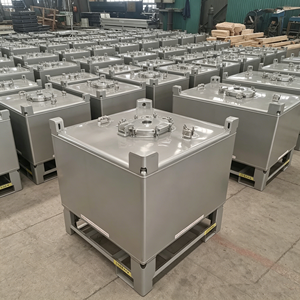
JST 1000L Stainless Steel Stackable Storage IBC Tank
Anti-rust coated SUS304/316L stainless steel container designed for corrosive liquids and food-grade compliance. Offers 1-year operational warranty and maximum stackability efficiency.
Contact Us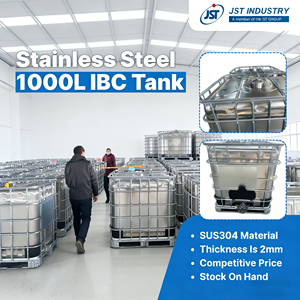
1000L Stainless Steel Water & Beverage Processing IBC
EU compliant and ISO certified heavy-duty stainless steel storage vessel. Specially passivated interior surface prevents bacterial contamination in potable water and beverage lines.
Contact Us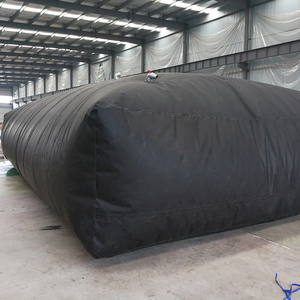
Agricultural Collapsible PVC/TPU Water Storage Bladder
Flexible, ultra-durable foldable water tank tailored for agricultural irrigation, rainwater collection, and emergency field water storage. High tear resistance and weatherproofing.
Contact Us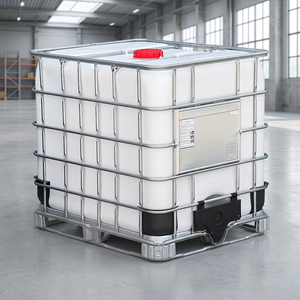
Industrial Grade 1000L Stackable Liquid Bulk IBC
High-density HDPE blow-molded inner bottle protected by a heavy-duty tubular steel grid frame. Ideal for high-density liquids and multi-tier warehouse stacking.
Contact Us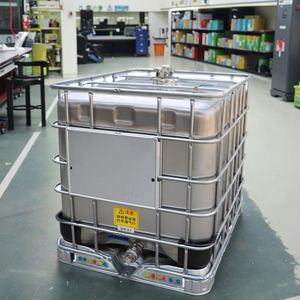
Multi-Purpose 1000L Stainless Steel Transport IBC
Tare weight 106kg with heavy-gauge corner protection. Certified for hazardous chemical transportation and high-purity water storage under demanding shipping conditions.
Contact Us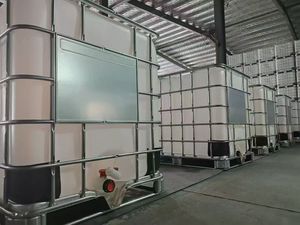
1000L High-Density HDPE Plastic Recyclable IBC Tank
UN-certified composite IBC with integrated discharge valve and anti-static inner wall options. UV-stabilized virgin polymer material prevents algae growth in long-term water storage.
Contact Us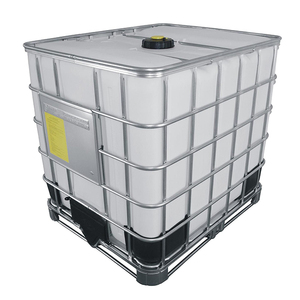
Heavy-Duty Plastic Water IBC Bucket Tank (1000L)
Cost-effective rigid plastic IBC unit with palletized base (steel, plastic, or hybrid pallet). Seamlessly compatible with standard forklift machinery and automated filling lines.
Contact Us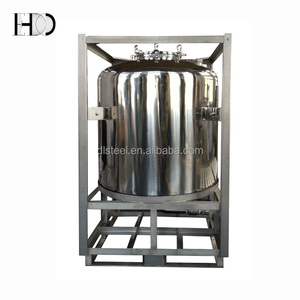
Wanlong 1000L Food-Grade Stainless Steel Eco IBC
Precision-welded sanitary stainless steel intermediate bulk container. Zero-residue sloped bottom discharge design built specifically for high-purity water, cosmetics, and food ingredients.
Contact UsExecutive Summary: China's Water Storage IBC Manufacturing Ecosystem
In the contemporary landscape of global industrial packaging, Intermediate Bulk Containers (IBCs) represent the backbone of bulk liquid logistics, water treatment, chemical processing, and agricultural distribution. As global supply chains prioritize structural integrity, operational efficiency, and ecological sustainability, China's leading packaging manufacturers—such as Mauser Packaging Solutions, JST Brand, and Wanlong Packaging—have redefined liquid containment engineering through state-of-the-art polymer processing and precision stainless steel metallurgy.
This technical procurement whitepaper investigates the structural design paradigms, material selection frameworks, and regulatory compliance standards that define top-tier Chinese water storage IBC manufacturers. Whether procuring standard 1000L composite HDPE IBC totes, sanitary SUS304/SUS316L stainless steel storage vessels, or flexible PVC/TPU collapsible bladder tanks for agricultural irrigation, international procurement officers must evaluate total cost of ownership (TCO), tare weight efficiencies, UN hazard ratings, and lifecycle reconditioning viability.
Enterprise Manufacturing Advantages & Engineering Standards
Rigorous quality control and automated manufacturing processes ensure that China-sourced water storage IBC tanks exceed international performance requirements.
Advanced Blow Molding & Polymer Science
Leading Chinese manufacturers leverage multi-layer continuous co-extrusion blow molding technologies. Using high-molecular-weight, high-density polyethylene (HMW-HDPE), the inner container bottles achieve superior flexural fatigue resistance, high environmental stress crack resistance (ESCR), and UV-stabilization to prevent algae growth during prolonged outdoor water storage.
Precision Stainless Steel Metallurgy (SUS304/316L)
For ultra-pure water, pharmaceutical preparation, and beverage processing, Chinese manufacturers utilize automated TIG and plasma welding systems. Internal surfaces undergo mechanical polishing and chemical passivation to achieve a surface roughness rating of Ra < 0.4 µm, ensuring complete clean-in-place (CIP) and sterilize-in-place (SIP) capability.
Rigorous Structural Integrity & UN Certification
To obtain UN 31H2 and UN 31A compliance, container units undergo comprehensive physical validation: 100 kPa hydraulic internal pressure testing, vibration resilience analysis, top-load stacking tests exceeding 28-day creep resistance limits, and low-temperature drop impact testing at -18°C.
Technical Comparison: Water Storage Container Typologies
Selecting the optimal water containment architecture depends on fluid chemistry, mobility constraints, spatial availability, and expected service lifecycle. The matrix below outlines key engineering metrics across primary IBC typologies manufactured in China.
| Specification Metric | Composite HDPE IBC Tote | Stainless Steel (SS304/316L) IBC | Flexible PVC/TPU Bladder |
|---|---|---|---|
| Standard Capacity Range | 820L – 1200L (Standard: 1000L) | 500L – 2000L (Customizable) | 500L – 500,000L (Custom) |
| Service Lifecycle | 3 to 5 Years (Reconditionable) | 15 to 20+ Years (Heavy Duty) | 2 to 5 Years (Agricultural/Temporary) |
| Tare Weight (1000L) | ~55 kg – 65 kg | ~105 kg – 140 kg | ~15 kg – 25 kg (Folds Flat) |
| Chemical Compatibility | High (Acids, Bases, Pure Water) | Exceptional (Solvents, Food, Pure H2O) | Moderate (Potable/Irrigation Water) |
| Stackability Rating | Up to 4-High (Static Loaded) | Up to 6-High (Full Dynamic Load) | Non-Stackable (Ground Lay) |
| Discharge Valve Types | DN50 (2") / DN80 (3") Butterfly/Ball | Sanitary Tri-Clamp / Flanged Ball Valves | Quick-Connect Camlock (1" to 4") |
Future Procurement Trends for Water Storage IBC Containers
As global enterprise buyers navigate macroeconomic volatility, strict environmental directives (such as the EU Packaging and Packaging Waste Regulation - PPWR), and volatile freight logistics, purchasing strategies for water storage containers are evolving rapidly. B2B buyers must align their supply chain practices with four key macroeconomic trends:
1. Shift Toward Total Cost of Ownership (TCO) over Upfront Purchase Price
Historically, procurement departments evaluated IBC sourcing strictly on initial FOB unit cost. However, sophisticated enterprise buyers now evaluate Total Cost of Ownership (TCO). While a composite HDPE IBC offers a lower entry cost, a stainless steel IBC (such as the JST or Wanlong 1000L series) yields a drastically lower per-trip packaging cost over its 20-year operational life due to near-zero degradation, high scrap value, and ease of thermal reconditioning.
2. Integration of Post-Consumer Recycled (PCR) Polymers
Environmental legislation across North America and Europe is driving mandatory recycled content targets. Chinese packaging giants are pioneering multi-layer co-extrusion technology where recycled resin (up to 30% PCR) is encapsulated between outer protective layers and inner virgin HMW-HDPE liners. This guarantees that non-potable industrial water storage containers maintain regulatory compliance without leaching contaminants into the water stream.
3. Telemetry and Smart IBC Asset Tracking
Modern water infrastructure and industrial chemical operations require real-time visibility. Next-generation Chinese IBC manufacturers are embedding IoT-enabled sensor suites directly into the outer protective cage or top cap assembly. These integrated units transmit real-time data regarding fill volume, liquid temperature, GPS location, pressure anomalies, and tilt status back to central ERP systems via cellular or satellite networks.
4. Supply Chain Agility & Modular Packaging Services
With fluctuating shipping container rates, international buyers are prioritizing suppliers offering knockdown/collapsible IBC designs and localized spare parts inventories. Suppliers who provide standardized valve assemblies (e.g., replacement DN50 caps, gaskets, and grounding wires) enable global fleets to maintain continuous operational readiness with minimal downtime.
Future Industry & Engineering Development Trends
The industrial container manufacturing sector is experiencing an unprecedented surge in engineering innovation driven by material science breakthroughs, smart manufacturing robotics, and zero-carbon initiatives.
Fluorination & Barrier Nano-Coatings
In-line fluorination during the blow-molding process alters the surface chemistry of HDPE inner bottles. This creates a fluorine-rich surface layer that reduces chemical permeation and hydrocarbon migration by up to 99%, critical for industrial process water containing trace solvents or active surfactants.
Robotic Laser Welding & Lightweight Cage Frames
Advanced steel cage manufacturing lines in China now feature fully automated robotic fiber laser welding. This produces ultra-consistent weld seams on zinc-coated steel tubing, enhancing frame buckling strength under dynamic transport loads while reducing total steel weight by up to 8%.
Bio-Based Polymers & Decarbonized Production
Top-tier manufacturers are actively piloting bio-attributed HDPE resins derived from renewable forestry byproducts. Combined with solar-powered manufacturing plants in major industrial clusters (such as Jiangsu, Shandong, and Zhejiang), manufacturers are significantly lowering the embedded carbon footprint (Scope 3 emissions) of every IBC tote produced.
Frequently Asked Questions (FAQ) for Water IBC Sourcing
Ready to Optimize Your Industrial Water Storage Supply Chain?
Connect directly with our senior packaging engineers and global export representatives to request technical spec sheets, compliance documentation, volume price schedules, or custom OEM design evaluations.