
Heavy-Duty Fluid Logistics & Storage Architecture
Modern chemical, food-grade, pharmaceutical, and petrochemical supply chains demand robust material containment. Stainless Steel Intermediate Bulk Containers (IBCs) and precision-engineered fittings represent the apex of safety, reusability, and environmental sustainability in bulk liquid handling.
Featured Heavy-Duty Stainless Steel IBC Totes & Pressure Vessels
Explore our UN-approved, ASME-compliant stainless steel tote tanks, custom pressure vessels, and specialized heating-jacket containers engineered for severe chemical service and high-purity applications.
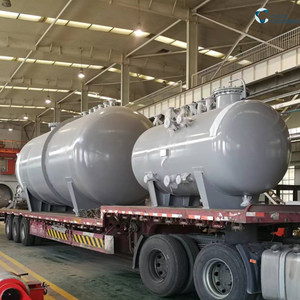
Stainless Steel Pressure Vessel Storage Tank (Vertical/Horizontal ASME Design)
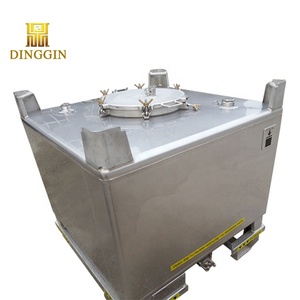
UN Approved 1000L / 1500L Stainless Steel IBC Tote Tank for Hazardous Liquid Transport
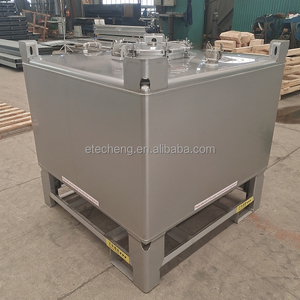
Customizable 500L-2000L Stainless Steel Intermediate Bulk Container for Chemical Processing
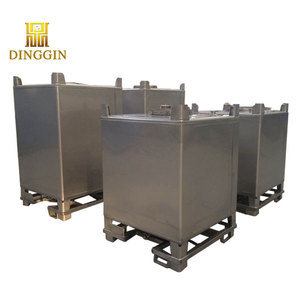
550 Gallon Heavy-Duty Stainless Steel Cube IBC Tote Tank for Industrial Liquid Logistics
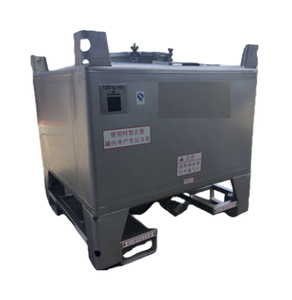
Factory Quality 304 Stainless Steel 1000L Liquid Storage IBC Tote Tank for Industrial Chemicals
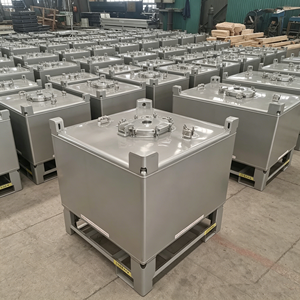
JST Brand 1000L Food-Grade Sanitary Stainless Steel Stackable Storage IBC Tank with Anti-Rust Finish
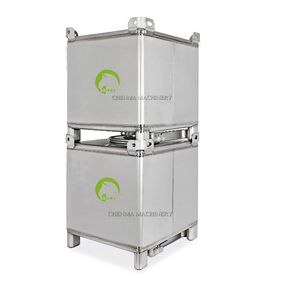
Stackable Stainless Steel IBC Tank (500L-2000L) with Dimple Cooking/Steam Heating Jacket
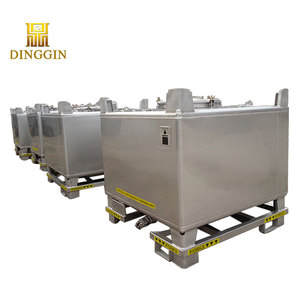
Heavy Industrial SUS304 / SUS316L IBC Tote Container (350GAL, 550GAL, 1500L, 2000L OEM Custom)
Technical White Paper: Engineering Specifications of IBC Tote Fittings & Valves
When specifying fluid containment for aggressive solvents, high-purity food ingredients, or flammable hazardous liquids, selecting the right manufacturer and hardware configuration is critical. Intermediate Bulk Containers (IBCs) consist of two primary systems: the main structural containment vessel (shell and frame) and the critical fluid-handling interface (fittings, valves, gaskets, and pressure relief vents).
Failure in an IBC fitting under transport dynamic stresses or chemical corrosion can lead to expensive product loss, environmental hazards, and regulatory non-compliance. Below is an engineering overview of the metallurgy, valve mechanisms, and seal technology required for high-reliability operations.
Information Gain Insight: While plastic (HDPE) composite totes dominate single-use consumer chemical markets, metallic Stainless Steel IBCs (SUS304/316L) deliver an average service lifespan exceeding 30 years with proper reconditioning, yielding a Total Cost of Ownership (TCO) that is 62% lower over a 10-year period.
1. Metallurgy Breakdown: SUS304 vs. SUS316L Stainless Steel
The choice of base alloy directly governs pitting resistance, tensile strength, and compatibility with aggressive chemistry:
AISI 304 (1.4301)
Contains 18% Chromium and 8% Nickel. Excellent for general industrial solvents, lubricants, food-grade oils, and aqueous solutions. Offers high structural rigidity and standard atmospheric corrosion resistance.
AISI 316L (1.4404)
Formulated with 16% Chromium, 10% Nickel, and 2-3% Molybdenum. Low-carbon grade engineered specifically to resist chloride pitting, harsh acids, pharmaceutical media, and marine ambient exposure.
Custom Passivation & EP
Surface treatments including Nitric/Citric Acid Passivation or Electro-Polishing (EP) achieving internal surface roughness Ra < 0.4 µm, crucial for sanitary clean-in-place (CIP) food and pharma protocols.
2. Critical Fitting & Valve Mechanics
IBC tote valves serve as the principal point of fluid control during charging and gravity or pump-assisted discharge. Leading manufacturers implement specific valve geometries tailored to media viscosity:
| Valve & Fitting Type | Common Size (DN) | Primary Material | Best Application & Viscosity Range |
|---|---|---|---|
| Sanitary Butterfly Valve | DN50 (2") / DN80 (3") | SS316L with PTFE / Viton Seat | High-purity foods, liquid paints, medium-viscosity fluids; quick assembly & CIP cleaning. |
| Full-Port Ball Valve | DN50 (2") / DN80 (3") | SS304 / SS316L body, PTFE Seats | Aggressive industrial chemicals, solvents, fuels; maximum flow velocity with zero fluid restriction. |
| Quick-Disconnect Camlock | Type A, B, C, D (2" / 3") | Forged Stainless Steel / Aluminum | Rapid loading/unloading line coupling with safety locking handles to prevent accidental opening. |
| Automatic Pressure Vents | 2" NPS / Fusible Caps | SS316 with Microporous PTFE Vents | Pressure relief at 3.5 to 5.5 PSI (24-38 kPa) and vacuum relief during thermal volume contraction. |
3. Gasket Elastomers & Chemical Compatibility Index
Select fitting gaskets must be matched against liquid cargo properties to avoid swelling, embrittlement, or leaching:
- PTFE (Teflon): Universal chemical resistance; ideal for aromatic solvents, acids, and ultra-pure chemicals. Operating temperature -200°C to +260°C.
- EPDM: Excellent for hot water, steam, alcohols, and mild alkalis. Not compatible with petroleum fuels or mineral oils.
- FKM (Viton): Superior resistance to hydrocarbons, diesel, bio-fuels, and harsh organic solvents.
- Kalrez / FFKM: Premium elastomer providing near-PTFE chemical inertness with rubber-like elastomeric sealing recovery for extreme severe-service valves.
Global Future Procurement Trends (2026-2035) in IBC Tote Manufacturing
As global logistics shift toward carbon neutrality and strict environmental compliance, the procurement landscape for industrial intermediate bulk containers is undergoing rapid modernization. Enterprise purchasing managers and supply chain directors are evaluating key technological shifts:
IoT Telematics & Smart Tracking
Integration of ATEX-certified cellular/GPS telematics onto stainless steel IBC frames. Monitors real-time fluid levels, temperature shifts, pressure build-up, and localized shock during intermodal transit.
Closed-Loop Circular Economy
Transitioning from single-trip rigid plastics to multi-trip reusable metal IBC fleets. Automated washing, reconditioning, and standardized valve replacement cut Scope 3 supply chain carbon footprints by over 70%.
Thermal Control Integration
Growing demand for custom dimple heating jackets (steam/hot water) and internal electric trace coils to handle viscous liquids (such as honey, resins, and heavy lubricants) without external hot-room heating.
Enterprise Advantage: Advanced Manufacturing & Quality Assurance
High-performance IBC manufacturing demands strict quality management systems (QMS), automated fabrication technology, and international certification compliance. Leading manufacturers set themselves apart through rigorous operational disciplines:
Automated Robotic TIG Welding
Continuous seam TIG welding eliminates internal crevices, ensuring smooth internal radiused corners that prevent chemical buildup and simplify automated CIP washing protocols.
Hydrostatic & Pneumatic NDT Testing
100% Non-Destructive Testing (NDT) including helium leak testing, dye penetrant inspections, and pressure hold testing up to 100 kPa (15 PSI) to guarantee zero weld defects.
UN 31A & ASME Certification
Third-party certified for the transport of Dangerous Goods under UN 31A/Y regulatory standards for Packing Group II and III chemicals across rail, ocean, and highway intermodal networks.
Frequently Asked Procurement & Engineering Questions (FAQ)
Request Custom Quotations & Technical Specifications
Consult with our engineering team to design custom stainless steel IBC tote tanks, specialized valve fittings, heating jackets, and UN-certified bulk liquid containers tailored to your exact chemical compatibility and processing requirements.