
Industrial Grade IBC Totes & Containment Systems
Explore our top-rated Intermediate Bulk Containers (IBCs), heavy-duty stainless steel tanks, and leakproof spill pallets engineered for global chemical, food, and fuel logistics.
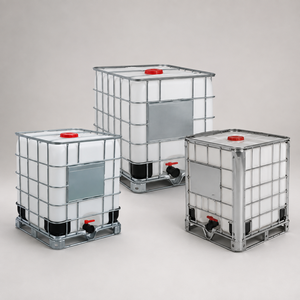
1000L HDPE IBC Tank with Steel Frame 264 Gallon Industrial Tote Custom Logo & Color
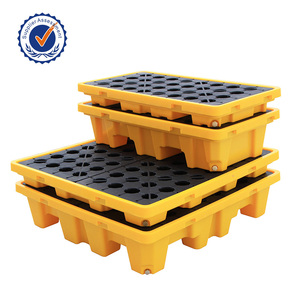
Plastic Chemical Storage Leakproof Poly 4 Drums Oil IBC Tote Spill Pallet With Drain
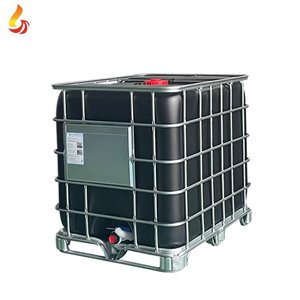
Square 1000L Food-grade Plastic IBC Totes | Brand-new Inner Liner, Iron Frame
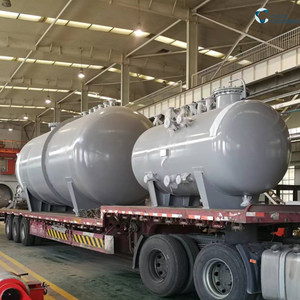
Stainless Steel Pressure Vessel Storage Tank Vertical/Horizontal Design ASME
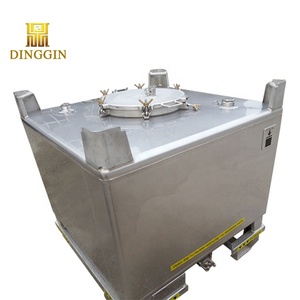
SS304/SS316L UN Approved 1000L/1500L Stainless Steel IBC Tote Tank Manufacturer
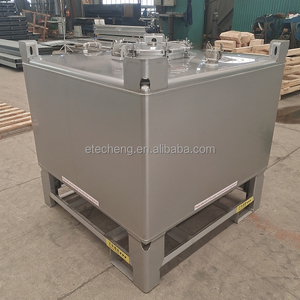
Customize 500L 1000L 1500L 2000L Stainless Steel IBC Tote Intermediate Bulk Containers
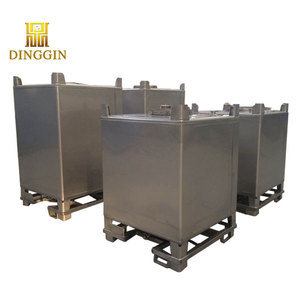
550 Gallon Stainless Steel Material IBC Tote Cube Water & Chemical Storage Tank
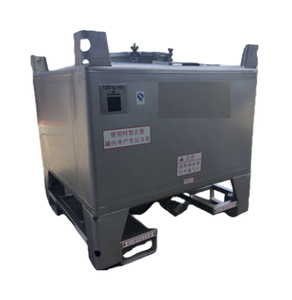
Factory Quality 304 Stainless Steel 1000L Storage IBC Tote Tank for Chemical Material
Executive Summary: Navigating Modern Industrial Bulk Liquid Logistics
In the modern chemical, petrochemical, food-processing, and pharmaceutical sectors, the selection of bulk liquid packaging is directly linked to operational safety, transport efficiency, regulatory compliance, and total lifecycle costs. Plastic Intermediate Bulk Containers (IBC Totes)—specifically 1000-liter (264 gallon) composite totes featuring a blow-molded High-Density Polyethylene (HDPE) inner container encapsulated within a tubular galvanized steel grid—have emerged as the global standard for industrial fluid storage and handling.
As global supply chains shift toward carbon neutrality and zero-leakage mandates, industrial packaging procurement teams must evaluate manufacturers based on advanced extrusion technologies, fluorination barrier capabilities, circular reconditioning support, and international UN ratings. This whitepaper provides engineering insight into evaluating market leaders, technical packaging trends, and strategic procurement frameworks for B2B buyers.
UN 31HA1 Certification
Rigorously tested under dangerous goods transport protocols (ADR/RID, IMDG Code, DOT) to withstand extreme pressure, stacking, vibration, and drop conditions without rupture.
Circular Reconditioning
Closed-loop packaging architectures that facilitate easy inner liner replacement, wash-out processes, and steel frame reuse for up to 10+ operational cycles.
EVOH & Fluorination Barrier
Advanced co-extrusion technology incorporating Ethylene Vinyl Alcohol (EVOH) layers or gas-phase fluorination to eliminate chemical permeation and solvent degradation.
Enterprise Advantage: Global Footprint & Lifecycle Leadership
Leading global IBC tote manufacturers distinguish themselves not merely by raw molding capacity, but by their worldwide infrastructure and lifecycle management programs. Operating across over 170 locations globally, tier-one manufacturers provide a local-source, global-supply network that mitigates lead-time volatility for multinational enterprises.
Crucial manufacturer benchmarks for enterprise qualification include:
- Vertical Resin Polymerization Control: Utilizing high-molecular-weight, high-density polyethylene (HMW-HDPE) resin engineered specifically for environmental stress crack resistance (ESCR).
- Automated Grid Welding & Galvanization: Precision robotic spot-welding of steel frames paired with hot-dip or continuous zinc coating to prevent rust in aggressive oceanic or chemical environments.
- Integrated Reconditioning Infrastructure: Nationwide and international collection fleets capable of recovering empty IBC totes, laundering certified units, or replacing inner bottles (rebottling) while recycling spent plastic into non-food-grade structural pallets.
- ISO 9001, 14001, and FSSC 22000 Certifications: Cleanroom molding environments ensuring food-contact compliance for ingredients like fructose, edible oils, and liquid dairy.
Under UN 31HA1 pressure testing, composite plastic IBCs must endure a minimum internal gauge pressure of 100 kPa (14.5 psi) for 10 minutes without structural leakage. Top-tier manufacturers utilize computer-modeled ribbed base plates and reinforced top bars that distribute dynamic shock loads, preventing wall bulging during rapid braking or rough sea transit.
Future Product Development Trends in IBC Manufacturing
The industrial rigid packaging landscape is undergoing a structural transformation driven by materials science and digital supply chain monitoring. Key innovations shaping the next generation of plastic IBC totes include:
1. Post-Consumer Recycled (PCR) Multi-Layer Co-Extrusion
To reduce reliance on virgin fossil resins, leading manufacturers are deploying multi-layer co-extrusion blow-molding equipment. In a 3-layer extrusion wall, the inner layer in direct contact with the liquid remains 100% virgin food-grade HDPE, while the central structural core integrates up to 50% high-grade Post-Consumer Recycled (PCR) resin. The exterior protective layer includes UV-stabilizing compounds. This ensures zero risk of chemical contamination while decreasing Scope 3 embodied carbon emissions by up to 35%.
2. Smart Telemetry & IoT Fleet Intelligence
Modern IBC totes are rapidly transitioning into connected smart assets. Embedded ATEX-certified IoT sensors track location via GPS, internal fill level via ultrasonic wave telemetry, ambient temperature, pressure spikes, and shock/impact events. Supply chain managers gain real-time visibility into inventory levels at customer sites, allowing for automated replenishment triggers and optimizing fleet turnaround ratios.
3. Advanced Permeation Controls (Surface Fluorination & EVOH)
Non-polar solvents, aromatic hydrocarbons, and ag-chemical concentrates tend to migrate through standard HDPE walls, causing swelling, sidewall softening, or atmospheric emission leaks. In response, top manufacturers offer Level 3 and Level 5 gas-phase fluorination treatments, converting surface hydrogen atoms to fluorine atoms for high chemical resistance. Alternatively, 6-layer co-extrusion incorporating an EVOH barrier layer provides an impermeable shield against oxygen ingress and volatile organic compound (VOC) egress.
Technical Specification Matrix: Plastic IBC Totes vs. Alternative Containment
Selecting the optimal container geometry requires evaluating fluid chemistry, shipping density, reusability, and handling equipment capabilities. The matrix below illustrates performance metrics across common packaging types:
| Specification Parameter | Composite Plastic IBC (1000L) | Stainless Steel IBC (1000L) | Poly Spill Containment Pallet |
|---|---|---|---|
| Primary Material | HMW-HDPE Inner Container + Steel Grid | SS304 / SS316L Heavy Gauge Sheet | 100% Virgin UV-Stabilized Polyethylene |
| Tare Weight | 55 kg – 65 kg (Lightweight) | 160 kg – 220 kg (Heavy Duty) | 32 kg – 48 kg (Pallet Only) |
| UN Transport Standard | UN 31HA1 / Y Rating (1.9 Specific Gravity) | UN 31A / Y Rating (2.0+ Specific Gravity) | Non-Transport Secondary Containment |
| Chemical Compatibility | Excellent for Acids, Bases, Alcohols, Oils | Superior for Solvents, Fuels, High Temp Liquids | Broad Chemical & Acid Resistance |
| Stacking Capability | 3-High Static / 2-High Dynamic (Filled) | 4-High Static / 3-High Dynamic (Filled) | Stationary Workstation Ground Storage |
| Reconditionability | High (Replaceable Bottle / Reusable Frame) | Extremely High (Steam Washable, 20+ Yrs) | Long-Term Stationary Asset |
Future Procurement Trends: Strategic Sourcing for 2026 and Beyond
Global procurement directors are expanding their evaluation metrics beyond simple per-unit purchase cost. Strategic sourcing models now integrate holistic Total Cost of Ownership (TCO) calculation frameworks:
A. Closed-Loop Pooling and Fleet Leasing Models
Rather than purchasing single-use totes, chemical manufacturers are partnering with packaging providers that operate nationwide IBC pooling networks. Under this model, filled IBCs are shipped to end-users, collected upon emptying by the packaging partner, laundered or rebottled, and re-issued into the supply chain. This reduces capital expenditure (CapEx) and converts packaging into a predictable operational expense (OpEx).
B. Regulatory Pressure on Single-Use Plastics
Governments across Europe, North America, and Asia-Pacific are enforcing stricter extended producer responsibility (EPR) regulations. Procurement contracts increasingly demand guaranteed take-back programs, recycled-content mandates, and verification of zero-landfill disposal for retired IBC inner bottles.
C. Standardization of Discharge Valve & Gasket Metallurgy
Incompatible valve sizes and gasket degradation represent major points of failure during customer unload operations. Standardizing enterprise procurement on integrated DN50 (2-inch) or DN80 (3-inch) butterfly/ball valves with universal Camlock fittings—utilizing EPDM, Viton, or encapsulated PTFE seals—ensures leak-free performance across diverse chemical product lines.
Industrial Procurement FAQ
Detailed answers to critical engineering, regulatory, and logistical questions encountered by enterprise bulk liquid packaging buyers.