
Featured Bulk IBC Totes & Packaging Solutions
Engineered in compliance with strict EU/ADR dangerous goods transport protocols, food-grade hygiene standards (FDA/EC 1935/2004), and high chemical resistance requirements.
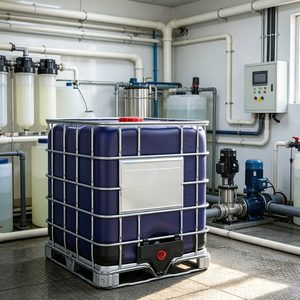
IBC Bulk Tank HDPE 1000 Liter Multi Purpose for Beverage Storage
- Capacity: 1000 Liters (275 Gallon)
- Material: High Molecular HDPE
- FDA & EC 1935/2004 Compliant
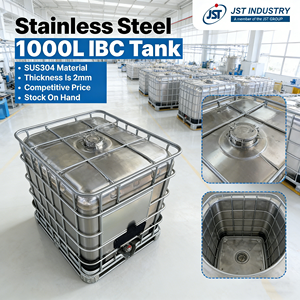
UN Approved 1000L SS304/316 Liquid Hazardous Goods Metal IBC
- AISI 304 / 316L Stainless Steel
- BAM Approved for UN Group I/II/III
- Steam Cleanable & Flame Proof
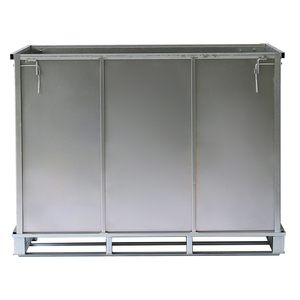
Lockable Bulk Foldable Steel IBC Collapsible Container
- Space-Saving 4:1 Return Ratio
- Heavy-Duty Galvanized Steel Frame
- Synthetic Rubber & Viscous Liquids
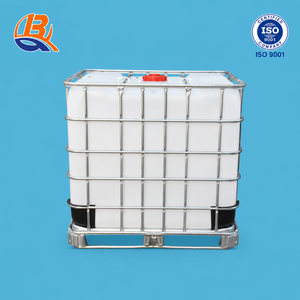
Composite 1000L HDPE Leak-Proof Chemical Storage IBC Drum
- Integrated Anti-Static Grid
- Customizable Zinc Label Plate
- DN50/DN80 Integrated Butterfly Valve
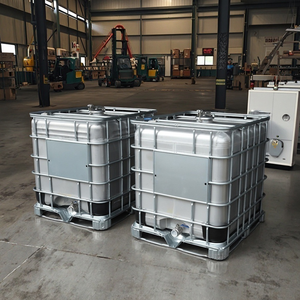
Stainless Steel Stackable Food Grade Industrial Liquid IBC
- Dynamic 3-High Stacking Capacity
- 100% Drainage Sloped Bottom
- Pharma & Fine Chemical Qualified
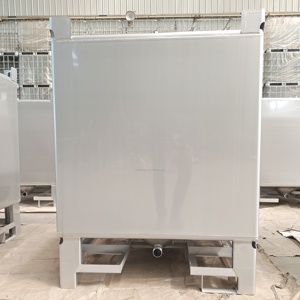
350 Gallon Stainless Steel Chemical Reagent IBC Metal Tank
- Heavy-Gauge Pressure Rating
- Suitable for High SG Liquids (>1.9)
- Forklift Pockets on All 4 Sides
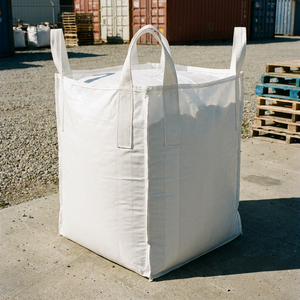
Heavy Duty 1.5-2 Ton FIBC Bulk Bag for Mining & Mining Packaging
- UV-Treated Polypropylene Fabric
- Safety Factor SWL 5:1 / 6:1
- Sift-Proof Seams for Fine Powders
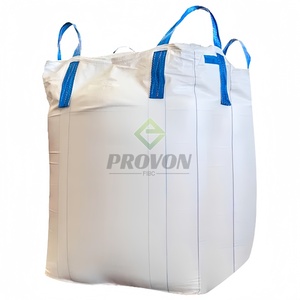
Food Grade FIBC Big Bags 500kg-2000kg PP Woven Bulk Sacks
- BRCGS & HACCP Certified Hygiene
- Form-Stable Baffle (Q-Bag) Design
- 100% Virgin Polypropylene Resin
Engineering Standards of Industrial Bulk Containers in Germany
In the high-precision ecosystem of German manufacturing, chemical processing, and food technology, the Intermediate Bulk Container (IBC) serves as the indispensable backbone of modern liquid and dry bulk logistics. Operating within Germany—the economic engine of the European Union—demands strict adherence to standardized quality frameworks, environmental regulations, and structural integrity metrics. As a premier Bulk IBC Containers Manufacturer & Factory in Germany, our production lines bridge the gap between advanced material science and total supply chain optimization.
Industrial IBC totes are engineered to withstand rigorous mechanical stresses during transport via rail (*Deutsche Bahn Cargo*), road freight (*ADR compliance*), and maritime shipping out of major European hubs such as Hamburg, Bremerhaven, and Rotterdam. Whether handling high-density inorganic acids in the North Rhine-Westphalia chemical cluster or maintaining sterile purity for dairy processing in Bavaria, our containers are fabricated using state-of-the-art multi-layer extrusion blow molding and precision robotic welding systems.
The modern composite IBC consists of three core components: an inner High-Density Polyethylene (HDPE) bottle, a tubular outer steel cage constructed from high-tensile galvanized steel, and a rigid, heavy-duty pallet base (available in steel, plastic, or hybrid wood options). Each component undergoes stress-crack testing (Environmental Stress Crack Resistance - ESCR), drop tests at sub-zero temperatures (-18°C), and hydraulic pressure testing to verify resistance against internal vapor expansion during temperature transitions across European transport routes.
Material Science & Regulatory Compliance: BAM, UN, and DIN Norms
Procuring industrial bulk packaging within the DACH region requires strict compliance with statutory dangerous goods regulations. In Germany, the Federal Institute for Materials Research and Testing (Bundesanstalt für Materialforschung und -prüfung - BAM) enforces rigorous design type approvals under international modal regulations including ADR (Road), RID (Rail), and IMDG Code (Sea).
Inner bottles are blow-molded from UV-stabilized, high-molecular-weight HDPE offering supreme resistance to environmental stress cracking, aggressive solvents, and caustic chemicals.
Antistatic and conductive outer layers prevent electrostatic discharge (ESD), qualifying containers for safe use in hazardous ATEX EX-Zones 1 and 2 (Flammable Liquids).
For extreme temperatures, high pressures, or ultra-pure pharmaceutical reagents, our metal IBCs feature passivated 1.4404 (316L) stainless steel with full CIP cleanability.
To assist chemical engineers, logistics directors, and procurement specialists in selecting the optimal container architecture, the matrix below outlines key technical parameters across our primary container classifications:
| Container Model Type | Inner Material | UN Marking Code | Max Liquid SG | Target Industry Applications |
|---|---|---|---|---|
| Composite HDPE Standard | HDPE Monolayer | UN 31HA1/Y/-- | 1.6 g/cm³ | General Industrial Chemicals, Water Treatment, Agrochemicals |
| Antistatic EX-Zone Container | HDPE Multi-layer Conductive | UN 31HA1/Y/-- EX | 1.9 g/cm³ | Paints, Solvents, Alcohols, Class 3 Flammable Liquids |
| Aseptic Food Grade IBC | Virgin HDPE (FDA Approved) | Non-UN / Food Certified | 1.4 g/cm³ | Liquid Sugar, Fruit Concentrates, Oils, Dairy Products |
| Heavy Stainless Steel Tank | AISI 304 / 316L Stainless | UN 31A/Y/-- | 2.1 g/cm³ | Fine Chemicals, Flavors & Fragrances, Ultra-Pure Acids |
| Collapsible Bulk Container | PP Fabric / Heavy Steel Frame | UN 11A/Y/-- | N/A (Bulk Dry/Liquid) | Synthetic Rubber, Resins, Global Return Logistics |
Localized Application Scenarios across German Industrial Hubs
Germany's decentralized industrial landscape demands customized container specifications tailored to regional manufacturing specializations. As a local factory and global manufacturer, we deliver optimized packaging solutions directly to major industrial corridors across the Bundesländer:
High-concentration acids, specialty polymer resins, and hazardous solvents require our UN-approved composite IBCs featuring fluorinated permeation barriers and high-density DN80 discharge valves.
Automatic filling line integration for engine oils, synthetic lubricants, and coolant fluids. Container cages feature integrated barcode tracking and anti-vibration corner guards.
Sterile, food-grade HDPE and stainless steel IBCs certified under EU No 10/2011 for bulk transport of liquid yeasts, aromas, edible oils, and bio-pharmaceutical intermediates.
For aggressive non-polar solvents (such as toluene, xylene, and chlorinated hydrocarbons), standard polyethylene inner liners are susceptible to hydrocarbon vapor diffusion. Our German manufacturing facility utilizes state-of-the-art In-Line Fluorination. During the blow-molding process, fluorine gas chemically alters the inner surface of the HDPE bottle, creating a dense, micro-thin fluorocarbon barrier layer. This process reduces solvent permeation rates by up to 99.4%, ensuring compliance with strict European VOC (Volatile Organic Compound) emission thresholds.
Macro Trends: Kreislaufwirtschaft, CSRD, and Smart Logistics
The European industrial sector is undergoing a structural transition toward circular economy models, driven by the German Closed Substance Cycle Waste Management Act (Kreislaufwirtschaftsgesetz - KrWG) and the EU Corporate Sustainability Reporting Directive (CSRD). Sustainability is no longer an optional marketing angle—it is an operational requirement for B2B procurement.
1. Closed-Loop Reconditioning & Ticket Systems
Purchasing an IBC container from our factory includes access to a global reconditioning and collection service. Used containers are picked up from end-user sites across Europe, subjected to automated high-pressure washing, leak testing, or complete inner bottle replacement (rebottling). A reconditioned or rebottled IBC emits up to 75% less CO₂ compared to a newly manufactured container, significantly lowering your scope 3 carbon emissions footprint.
2. Post-Consumer Recycled (PCR) Resin Integration
Leveraging multi-layer co-extrusion blow molding technologies, our factory manufactures composite IBCs with outer bottle layers incorporating up to 30% high-quality Post-Consumer Recycled (PCR) HDPE resin. By isolating the recycled material within the outer layer, the inner layer remains 100% virgin resin, preserving complete chemical compatibility and food-grade hygiene integrity while fulfilling circular economy mandates.
3. Telematics & IoT Supply Chain Integration
Industry 4.0 digitizes bulk packaging. Our containers can be optioned with integrated ATEX-certified GPS and IoT sensor modules. Logistics managers can monitor liquid filling levels, internal container pressure, temperature fluctuations, and real-time geographical coordinates across intermodal European rail and road networks.
Localized Procurement FAQ for German Buyers
Key technical and commercial considerations for purchasing IBC totes and industrial packaging in Germany and the wider DACH market:
Enterprise Advantages: Why Choose Our German Manufacturing Network
Combining world-class German engineering principles with an expansive global manufacturing footprint across 170+ locations worldwide, we provide industrial buyers with unmatched supply security, technical expertise, and rapid responsiveness.
Localized manufacturing plants and service centers across North America, Europe, Asia, and Latin America ensure seamless, reliable supply chains for multinational corporations.
Decades of industrial packaging leadership back every container. Our engineering teams assist with UN packaging code selection, drop testing, and chemical compatibility analysis.
From virgin container manufacturing and customized labeling to fleet management, washing, rebottling, and material recycling—we manage the complete packaging lifecycle.
Request Custom Technical Specifications & Factory Direct Quotations
Connect directly with our German technical packaging team. We assist with chemical compatibility checks, UN approval documentation, sample requests, and high-volume B2B contract pricing.