Premium Intermediate Bulk Containers & Pressure Vessels
Heavy-duty, corrosion-resistant SS304 & SS316L bulk liquid handling systems engineered for Poland’s chemical, energy, food, and manufacturing sectors.
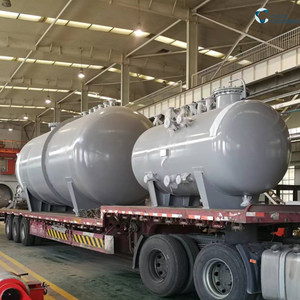
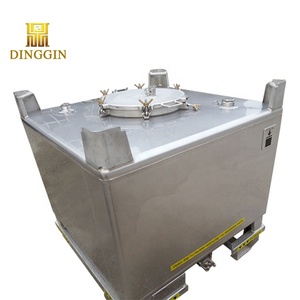
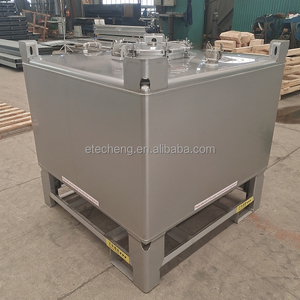
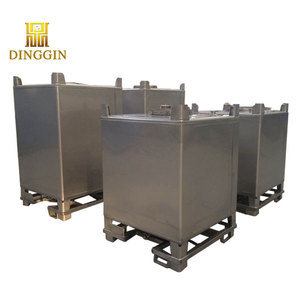
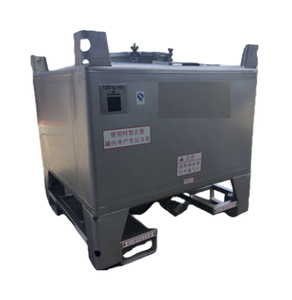
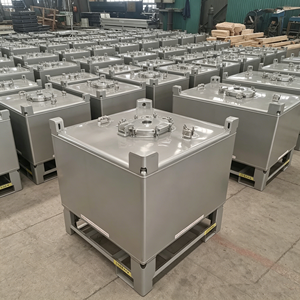
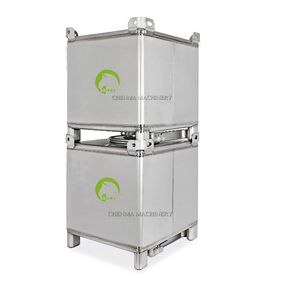
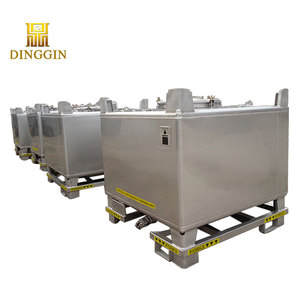
Engineering Excellence: Bulk Liquid Handling Infrastructure for Poland’s Industrial Sector
As Poland consolidates its position as Central and Eastern Europe’s (CEE) primary industrial logistics and manufacturing powerhouse, the demand for high-integrity, reusable Intermediate Bulk Containers (IBCs) and pressure vessels has experienced exponential growth. From the petrochemical corridor in Płock to the automotive and chemical production clusters across Silesia and Lower Silesia, industrial operations require robust containment systems that comply with stringent European Union safety directives, transport regulations, and environmental mandates.
Industrial bulk material handling is no longer merely a logistics utility—it is a strategic component of risk management, quality control, and supply chain resilience. Traditional composite or rigid plastic totes, while cost-effective for benign single-trip uses, present significant operational liabilities when handling high-purity chemicals, flammable solvents, or corrosive agents under extreme thermal cycles. Stainless steel IBCs (manufactured from AISI 304 or 316L grades) eliminate cross-contamination risks, prevent chemical permeation, provide total fire defense, and offer operational longevity exceeding 30 years with minimal lifecycle costs.
Technical Focus: AISI 304 vs. AISI 316L Grade Selection for Polish Industrial Uses
Selecting the appropriate austenitic stainless steel alloy is paramount for container durability. Standard AISI 304 (1.4301) provides exceptional structural integrity and resistance to atmospheric oxidation, making it the industry benchmark for food ingredients, dairy fats, vegetable oils, and non-aggressive industrial lubricants. However, for Poland's specialized chemical manufacturing (such as battery electrolyte precursors, inorganic acids, and chlorinated solvents), AISI 316L (1.4404) with 2-3% Molybdenum content is mandatory to resist localized pitting corrosion, chloride attack, and intergranular degradation.
Our engineering parameters adhere strictly to international standards, including ASME Section VIII Division 1 for unfired pressure vessels and Directive 2010/35/EU (Transportable Pressure Equipment Directive - TPED). Each stainless steel tote features seamless robotic TIG welding, automatic orbital pipe welding, and passive surface treatments (acid pickling and passivation according to ASTM A380). Internal finishes can be micro-polished down to Ra < 0.4 µm to satisfy ultra-hygienic requirements in pharmaceutical and food-grade operations across Poland.
Localized Application Scenarios across Poland’s Economic Zones
Tailored container solutions matching the distinct economic profiles of Poland’s key industrial voivodeships.
1. Silesian & Masovian Chemical Corridors (Płock, Kędzierzyn-Koźle, Tarnów)
In Poland's heavy chemical hubs, bulk totes are used for transporting synthetic resins, polyols, industrial paints, and organic solvents. UN-certified (UN 31A/Y) stainless steel IBCs engineered for dangerous goods (ADR Classes 3, 6.1, 8, and 9) provide pressure-rated discharge (up to 2.0 bar test pressure) and vapor-tight seals, preventing hazardous volatile organic compound (VOC) emissions during intermodal transport.
2. Food Processing & Agri-Food Export (Mazovia, Greater Poland, Podlaskie)
Poland is one of Europe’s leading exporters of apple juice concentrate, dairy products, liquid sugar, and processed meats. Hygienic stainless steel tote tanks equipped with dimple heating jackets (steam or hot water medium) and food-grade sanitary butterfly valves guarantee thermal stability and total clean-in-place (CIP) accessibility, maintaining product sterility without chemical retention.
3. EV Battery & Energy Tech Cluster (Lower Silesia / Wrocław Hub)
Lower Silesia hosts Europe’s largest gigafactories for EV lithium-ion battery cells. Handling high-purity battery chemicals, cathode slurry components, and liquid electrolytes demands zero metallic contamination. Ultra-clean 316L stainless steel containers featuring electro-polished inner surfaces (Ra < 0.25 µm) and nitrogen blanket blanket purging ports protect sensitive moisture-reactive battery fluids.
4. Maritime Freight & Baltic Logistics (Ports of Gdańsk & Gdynia)
As Polish ports handle record containerized cargo volumes along the Baltic Sea corridors, ocean shipping requires rugged containers that survive dynamic load stress and salt spray exposure. Heavy-duty stackable cube IBC containers with integrated 4-way forklift channels and heavy structural top corner casting permit 3-high dynamic stacking in ISO sea shipping containers and warehouse rack systems.
Key Industry & Regulatory Trends Driving Poland’s Industrial Packaging Evolution
- The EU Green Deal & Packaging Waste Reduction Mandates: European regulations (including proposed PPWR updates) are penalizing single-use plastic packaging and unrecyclable composite totes. Polish manufacturers are rapidly shifting capital expenditure toward closed-loop, multi-trip stainless steel IBCs that yield a zero-landfill footprint over a 30-year operational life cycle.
- Nearshoring and Supply Chain Integration in CEE: Global OEMs are relocating production plants to Poland due to strategic geographic positioning and skilled technical labor. This nearshoring trend demands standardized, heavy-duty industrial containers capable of seamless intermodal transport across Central European rail (e.g., PKP Cargo network) and highway (A1, A2, A4) infrastructure.
- Automated Warehouse Integration (AGV/AMR Compatibility): Modern logistics parks near Warsaw, Katowice, and Poznań rely heavily on Automated Guided Vehicles and high-bay racking systems. Stainless steel tote containers are manufactured with sub-millimeter dimensional tolerances, standard footprint dimensions (1150 x 1150 mm / 1200 x 1000 mm), and integrated RFID/IoT tracking brackets for real-time fleet management.
- Stringent ADR Compliance & TDT Inspection Protocols: Transporting dangerous goods across Poland requires absolute compliance with the European Agreement concerning the International Carriage of Dangerous Goods by Road (ADR). Stainless steel containers undergo periodic 2.5-year pressure testing and 5-year structural inspections managed under TDT (Transportowy Dozór Techniczny) oversight, ensuring zero transport downtime.
Why Leading Polish Enterprises Partner With Us
Direct factory manufacturing authority, certified quality systems, and dedicated global export support.
Custom Engineering & FEA Validation
Every storage vessel and IBC tote can be customized regarding volumetric capacity (200L to 3000L), wall thickness (2.0mm to 6.0mm), slope-bottom discharge angles, gasket materials (EPDM, Viton, PTFE), and thermal jacket ratings. Finite Element Analysis (FEA) ensures structural safety under pressure and vacuum shocks.
Rigorous Inspection & Quality Assurance
We implement 100% hydrostatic pressure testing, helium leak detection, non-destructive weld testing (NDT radiographical examination), and wall thickness ultrasound verification on every exported unit. Full material traceability certificates (EN 10204 3.1) are supplied standard with every container batch.
Optimized Shipping Logistics to Poland
We manage complete export documentation, customs clearances, and door-to-door or door-to-port logistics directly to major Polish industrial centers (Gdańsk, Gdynia, Katowice, Wrocław, Poznań, Łódź, Szczecin). Containers are nested or wrapped in anti-corrosion protective barrier films for zero transit damage.
Total Lifecycle Cost Efficiency
While initial procurement costs for stainless steel totes exceed plastic alternatives, stainless steel units deliver superior return on investment (ROI). With zero risk of cracking, chemical degradation, or UV weathering, cost-per-trip drops dramatically over hundreds of transit cycles.
Procurement & Technical FAQ for Poland Market Buyers
Essential insights for plant engineers, procurement managers, and logistics directors.
Accelerate Your Supply Chain Performance in Poland
Consult with our technical sales team today to receive detailed technical drawings, custom vessel quotes, and full product catalogs tailored to your industry requirements.
Get Catalog