
Industrial Cardboard IBC & Paper Tank Product Portfolio
High-performance collapsible cardboard intermediate bulk containers engineered for food-grade liquids, industrial oils, and bulk export freight from Seattle hubs.
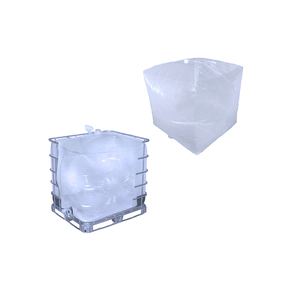
Factory Price 1000L Liquid Shipping Foldable Paper IBC Tank
Heavy-duty 8-ply corrugated walls designed for safe transpacific liquid transport. Completely collapsible when empty.
Send an Inquiry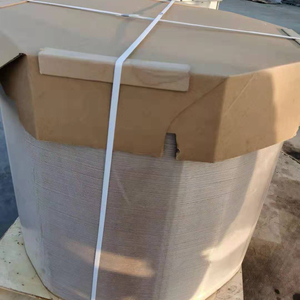
1000L Rainwater & Liquid Collapsible Cardboard IBC Tank
Customizable high-burst strength corrugated container with reinforced outer body for emergency liquid storage and transport.
Send an Inquiry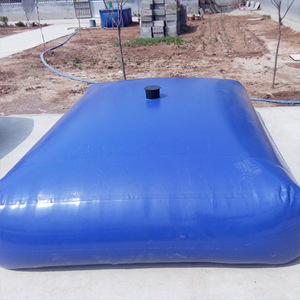
1000L Square Cardboard IBC Flexitank for Oils & Food Liquids
Equipped with food-grade inner PE liner bag. Ideal for PNW fish oil, palm oil, and fruit juice concentrate exports.
Send an Inquiry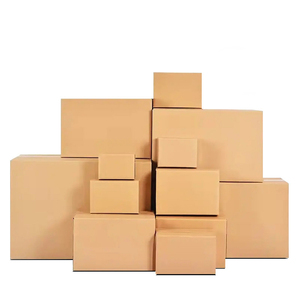
Eco-Friendly Shipping Carton & Heavy-Duty Pallet Packaging
Integrated recyclable wooden/paper pallet system providing 8000kg static stacking compression resistance.
Send an Inquiry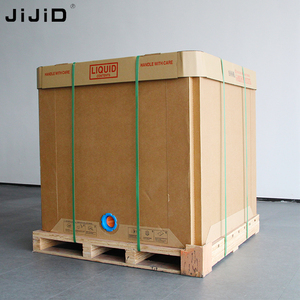
1000L-1200L Reusable Food-Grade Paper IBC Container
High-leak-resistance multi-layer liner bag container, FDA compliant for dairy, liquid egg, and wine shipments.
Send an Inquiry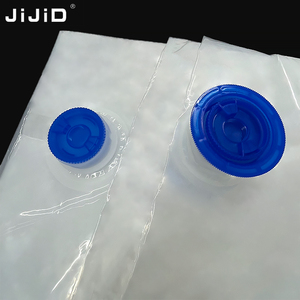
Heavy-Duty High Leak Resistance Square Cardboard IBC
Engineered with high moisture-resistant outer liner paper to perform seamlessly in humid Pacific Northwest port conditions.
Send an Inquiry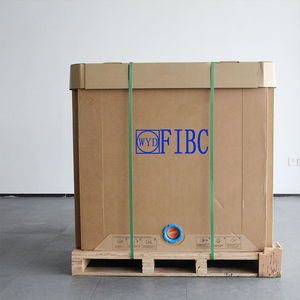
Customized Collapsible Paper IBC Bulk Liquid Shipper
Folds down to 1/4 of filled height. Drastically eliminates return-freight costs for one-way overseas export routes.
Send an Inquiry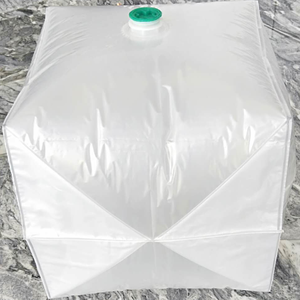
600L-1000L Corrugated IBC Stand-Up Pouch with PE Liner
Transparent food-grade PE liner bags combined with rigid outer corrugated sleeve for aseptic canned food liquid storage.
Send an Inquiry1. Executive Summary: The Industrial Packaging Transformation in Greater Seattle
The Pacific Northwest (PNW), anchored by the commercial hubs of Seattle, Tacoma, and Everett, serves as the primary maritime gateway connecting North American industrial production with Asia-Pacific and global trade networks. As global supply chains face mounting pressure to reduce carbon intensity and optimize containerized freight efficiency, enterprise procurement teams across Washington State are rapidly transitioning from traditional rigid steel drums and bottle-in-cage plastic IBCs to advanced heavy-duty Cardboard IBC containers.
Cardboard Intermediate Bulk Containers (Paper IBCs) represent a paradigm shift in liquid packaging technology. Combining high-strength 8-ply corrugated structural sleeves with sterile, food-grade flexitank liner bags, paper IBCs offer a 1000-liter capacity liquid shipper that is fully collapsible, 100% recyclable, and engineered to eliminate return-logistics overhead. For Seattle-based manufacturers, agricultural exporters, and chemical processors, adopting paper IBCs directly resolves three major operational bottlenecks: high tare weight, excessive empty-container return costs, and stringent regional carbon compliance mandates.
2. Structural Engineering & Technical Architecture of Paper IBCs
Achieving structural integrity capable of supporting 1000kg to 1200kg of liquid payload during ocean transit requires multi-layer material science. Leading Cardboard IBC factories serving the Seattle exporter network utilize high-compression, heavy-duty corrugated board configurations specifically calibrated to withstand dynamic multi-axis stresses in container ships and intermodal rail freight.
Constructed using high-bursting-test (BST) AAA-flute heavy corrugated board. The seamless octagonal or square sleeve design distributes outward hydraulic liquid pressure evenly, preventing sidewall bulging.
Co-extruded LLDPE/EVOH high-barrier inner liner bags certified under FDA 21 CFR and EC 10/2011. Protects sensitive liquids against oxidation, moisture egress, and microbial contamination.
Engineered for a top-load compression capacity exceeding 8,000 kg (BCT rating). Enables 3-high static warehouse stacking and 2-high dynamic stacking inside 20ft and 40ft sea containers.
Technical Performance Matrix: Paper IBC vs Traditional Packaging
| Performance Metrics | 1000L Cardboard IBC | 55-Gal Steel Drums (x5) | Bottled Cage Plastic IBC |
|---|---|---|---|
| Nominal Liquid Capacity | 1,000 Liters | 1,040 Liters (5x 208L) | 1,000 Liters |
| Tare Weight (Empty) | 42 - 45 kg | 110 kg (5x 22kg) | 65 - 72 kg |
| Storage Volume (Unassembled/Folded) | 0.25 m³ | 1.30 m³ | 1.15 m³ |
| Return Logistics Cost | Zero (1-Way Export) | High (Reconditioning required) | High (Return freight & wash) |
| Recyclability & Disposability | 100% Recyclable Paper Stream | Hazardous Scrapping Fee | Complex Chemical Washing |
| Container Payload (20ft FCL) | 20 Units (20,000L) | 80 Drums (16,640L) | 18-20 Units (18,000L) |
3. Localized Seattle & Pacific Northwest Application Scenarios
Seattle’s unique economic geography combines intensive agricultural output from the inland valleys with maritime processing along Puget Sound and high-tech industrial chemical manufacturing. Cardboard IBC exporters provide targeted configurations for key local industries:
Washington State produces over 60% of US apples and substantial sweet cherry and berry crops. Exporters located in Yakima and Wenatchee route thousand-liter batches of juice concentrate through Seattle ports using gamma-sterilized aseptic paper IBC liner bags to maintain organic certification.
Seattle is home port to North America’s largest fishing fleet. Processing wild salmon and whitefish yields high-value Omega-3 marine oils and liquid fish hydrolysate liquid fertilizers. High-barrier flexitank cardboard IBCs stop odor migration and prevent oxidation during long oceanic voyages.
Non-hazardous bio-based hydraulic fluids, synthetic lubricants, and industrial detergents formulated in the Kent Valley and Tacoma industrial corridors require robust packaging that eliminates cross-contamination risks while lowering export overhead.
Seattle’s craft beverage ecosystem exports bulk liquid malt extracts, cold-brew coffee concentrates, and flavor syrups. Top-discharge and bottom-discharge valve configurations allow seamless integration into automated receiving tanks worldwide.
4. Pacific Northwest Regional Decarbonization Trends & Policy Compliance
Washington State has enacted some of the nation's most progressive climate and packaging mandates, including Senate Bill 5022 (SB 5022) regarding post-consumer recycled content and waste reduction. Concurrently, the Northwest Seaport Alliance (comprising the Ports of Seattle and Tacoma) has established aggressive zero-emission maritime shipping targets under the Clean Air Strategy.
Cardboard IBC factories are instrumental in aligning industrial exporters with these regulatory mandates:
- Scope 3 Carbon Footprint Reduction: Manufacturing corrugated paper consumes up to 70% less energy compared to virgin HDPE blow-molding for rigid cages or steel drum smelting.
- Elimination of Chemical Wash-Water Runoff: Reusable plastic and steel IBCs require chemical caustic cleaning after each voyage, generating thousands of gallons of toxic wastewater. Disposable, single-use flexitank paper IBCs eliminate container washing entirely.
- Landfill Diversion: Once empty, the corrugated sleeve, top lid, and pallet components fold flat for standard commercial paper recycling streams (OCC), enabling 100% diversion from local Washington State municipal landfills.
5. Enterprise Buyer FAQ: Sourcing Cardboard IBCs in Seattle
Why Partner with Our Global Manufacturing & Seattle Supply Network
As an industry leader in rigid and flexible industrial packaging solutions, our global factory footprint and dedicated local service capabilities deliver unparalleled supply chain security for Seattle B2B buyers.