
Heavy-Duty IBC Tote Tanks & High-Flow Valve Assemblies
Explore our top-tier CE certified stainless steel intermediate bulk containers (IBCs) and precision bottom-discharge valve systems tailored for Brazil's chemical, pharmaceutical, agrochemical, and food processing operations.
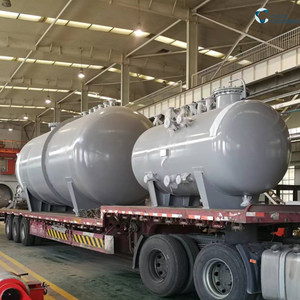
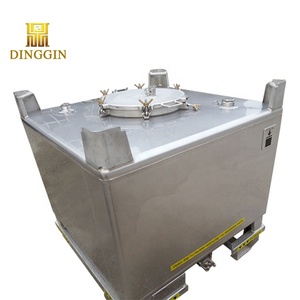
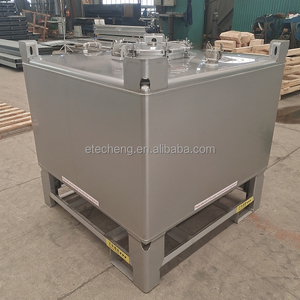
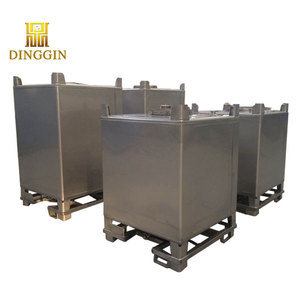
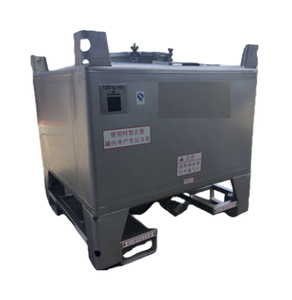
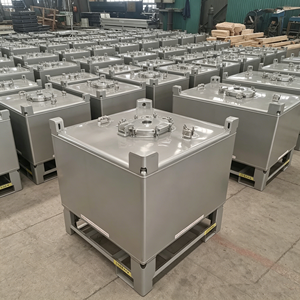
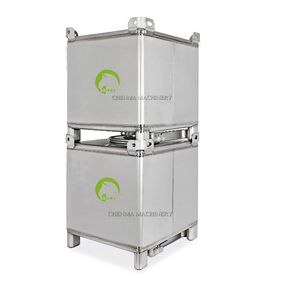
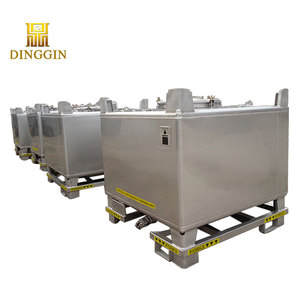
Technical Whitepaper: Engineering CE-Certified IBC Valves for Brazilian Heavy Industry
Intermediate Bulk Containers (IBCs) serve as the backbone of modern industrial fluid logistics across South America. In high-demand sectors such as Brazilian agrochemical manufacturing, petrochemical refining, and bio-ethanol synthesis, the integrity of an IBC system is fundamentally governed by its bottom discharge valve assembly. A failure in valve containment does not merely disrupt supply chains; it introduces major environmental hazards, breaches ANTT Resolution 5.947 dangerous goods regulations, and risks catastrophic product loss.
As a specialized supplier and exporter of CE Certified IBC Valves to Brazil, our engineering framework integrates European Pressure Equipment Directive standards (PED 2014/68/EU) with localized Brazilian industrial compliance (INMETRO & NR-13). This technical guide reviews the material selection, valve geometry, chemical compatibility, and thread standardizations required for reliable operation in tropical and corrosive industrial environments.
Information Gain Key Takeaway: Standard European S60x6 coarse threads often require heavy-duty adapter interfacing when connecting to Brazilian domestic pumping infrastructure (NPT or Camlock Type C/F). Specifying dual-threaded integrated valves eliminates leak paths and saves up to 18% in operational handling time at distribution terminals in Santos and Paranaguá.
Valve Kinematics: Ball Valves vs. Butterfly Valves
Selecting between integrated ball valves and butterfly valves requires evaluating medium viscosity, operating pressure, and flow velocity requirements:
- IBC Integrated Butterfly Valves (DN50 / DN80): Preferred for high-volume standard liquid transfer, low viscosity solutions, and general chemical storage. Featuring lightweight polypropylene or stainless steel bodies with replaceable EPDM or Viton seals, these valves feature a compact profile that prevents impact damage during forklift handling inside ISO shipping containers.
- Full-Port Stainless Steel Ball Valves (DN50 2" BSP/NPT): Critical for volatile organic compounds (VOCs), high-viscosity resins, bio-fuels, and aggressive acids. Designed in AISI 316L forged stainless steel, ball valves provide a straight-through flow path with zero flow restriction, capable of enduring internal pressures up to 4.0 bar without seal distortion.
Technical Matrix: Seal Material Chemical Compatibility
The seal polymer dictates valve durability against chemical attack. The following reference matrix outlines performance across common Brazilian industrial media:
| Elastomer / Polymer Seal | Max Temp (°C) | Agrochemical Solvents | Hydraulic / Crude Oils | Concentrated Acids | Food & Ethanol Grade |
|---|---|---|---|---|---|
| PTFE (Teflon) | 230°C | Excellent | Excellent | Excellent | FDA Approved |
| FKM (Viton) | 200°C | Good | Excellent | Good | Non-Standard |
| EPDM | 150°C | Poor (Hydrocarbons) | Poor | Moderate | FDA Approved |
| PE (Polyethylene) | 70°C | Moderate | Moderate | Good | Industrial Grade |
Localized Application Scenarios in Brazil
Tailored valve & tote configurations engineered to meet the unique environmental, geographical, and operational demands of Brazilian regional industries.
Mato Grosso & Paraná Agribusiness
High-speed dispensing valves designed for bulk liquid fertilizers, pesticides, and adjuvants. Outfitted with dust covers and anti-clogging internal geometries to endure heavy field exposure during crop spraying operations.
Santos Basin & Camaçari Petrochemicals
AISI 316L stainless steel valves equipped with explosion-proof static grounding cables and PTFE seals. Engineered to handle offshore drilling fluids, aromatic hydrocarbons, and refinery feedstocks safely.
São Paulo Bio-Ethanol Refineries
High-flow 3" (DN80) bottom discharge valves configured for rapid filling and discharge of anhydrous and hydrated bio-ethanol, minimizing turnaround times for road tanker fleets across the SP-330 logistics corridor.
Food & Beverage Concentrate Plants
Sanitary tri-clamp and DIN 11851 stainless steel valves meeting FDA and ANVISA criteria. Designed for CIP (Clean-in-Place) sterilization routines without disassembling the main container vessel.
Local Market Trends: Decarbonization, ANTT Compliance & ESG Adoption
Brazil’s industrial sector is undergoing a rapid modernization phase driven by stringent environmental oversight and decarbonization targets. Key growth drivers influencing IBC packaging procurement include:
Strict ANTT 5947 & INMETRO Regulations
Agência Nacional de Transportes Terrestres (ANTT) enforces strict performance metrics for containers transporting dangerous goods over highways. CE marked and UN certified IBC valves guarantee drop-impact protection, vibration tolerance, and hydraulic pressure tightness, simplifying INMETRO homologation for local chemical haulers.
Shift Toward Reusable Stainless Steel Totes
With ESG commitments rising among major Brazilian conglomerates (such as Petrobras, Braskem, and Suzano), plants are transitioning away from single-use rigid plastic IBCs to recyclable SUS304/SUS316L stainless steel totes fitted with field-serviceable valves, reducing plastic packaging waste by up to 85% over a 10-year lifecycle.
Frequently Asked Procurement Questions
Clear, authoritative answers addressing import tariffs, technical standards, and hardware compatibility for Brazilian supply chain managers.
What are the common NCM tariff codes for importing CE Certified IBC Valves and Tanks into Brazil?
IBC discharge valves are typically imported under NCM 8481.80.95 (Valves for industrial fluid control), while complete stainless steel IBC containers fall under NCM 8609.00.00 or NCM 7310.10.90. Proper documentation including CE certificate of conformity and Material Test Reports (MTRs) accelerates Receita Federal customs clearance at ports like Santos or EADI dry ports.
How do European S60x6 IBC valve threads connect to standard Brazilian hose couplings?
Standard plastic composite IBCs ship with an S60x6 coarse male thread outlet. In Brazil, logistics teams commonly utilize Camlock quick-connectors (Type C, F, or DC) or 2" NPT pipe threads. We supply pre-tested direct-conversion adapters (S60x6 to 2" Male NPT or 2" Aluminum/SS Camlock) with high-density EPDM/PTFE gaskets to prevent cross-threading and leakage.
Are these IBC valves compliant with Brazilian NR-13 safety standards for pressurized vessels?
Yes. While standard transport IBCs operate near atmospheric pressure, our heavy-duty stainless steel pressure-rated IBC totes and relief valves comply with PED 2014/68/EU Module H and ASME IX welding certifications. These structural standards align with NR-13 inspection guidelines for industrial pressure equipment installed in Brazilian facilities.
Can we order specialized food-grade valve seals certified by ANVISA?
Absolutely. For food processing, juice concentrates, and beverage applications, we supply virgin PTFE or white food-grade EPDM seals that comply with FDA 21 CFR 177.2600 and European Commission Regulation (EC) 1935/2004, meeting ANVISA resolution parameters for food-contact materials.
What is the expected lead time and shipping logistics for bulk orders delivered to Brazil?
Standard stock valve components ship within 5-7 business days via air freight (FOB/CIF Guarulhos or Viracopos). Full container loads (FCL) of stainless steel IBC totes ship via sea transport directly to Santos, Paranaguá, or Suape, with average transit times of 28-35 days from manufacturing hubs.
Why Partner With Us: Global Manufacturing Rigor Meets Local Reliability
Backed by over 330 combined years of industrial packaging heritage and a vast global footprint spanning 170+ locations worldwide, our organization provides Brazilian buyers with an unparalleled blend of engineering precision, regulatory assurance, and lifecycle support.
100% Pressure & Leak Tested
Every single valve assembly undergoes dual-stage pneumatic bubble testing and hydro-static shell pressure testing prior to export, eliminating defective units before they leave the factory floor.
UN & CE Dual Certification
Our packaging items carry international UN marking for dangerous goods transport and CE marking for European pressure safety compliance, ensuring seamless global acceptances.
Full Traceability & Mill Certificates
Complete material heat numbers, EN 10204 3.1 material certificates, and chemical analysis reports are provided with every batch, backing your quality audit requirements.
Ready to Optimize Your Liquid Logistics in Brazil?
Contact our technical sales team today for detailed CAD drawings, chemical compatibility verification, and competitive volume pricing.