
Engineered Chemical IBC Tanks & Rigorous Liquid Packaging
Factory-direct intermediate bulk containers and chemical vessels optimized for hazardous payload transport, sub-zero Russian climatic conditions, and long-cycle reuse.
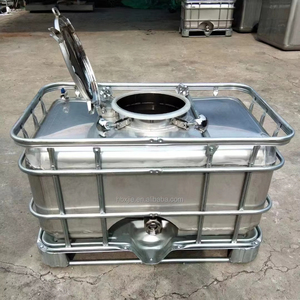
Stainless Steel IBC Tank 500/1000/1200 Liters
- AISI 304 / 316L Heavy Gauge
- UN31A/Y Road & Rail Approved
- 500L, 1000L, 1200L Capacity
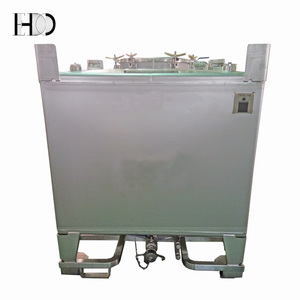
E-DO Stainless Steel IBC Tanks for Chemical Road Transport
- Long Service Life (>20 Years)
- ADR/RID/IMDG Certified
- Automatic Bottom Discharge Valve
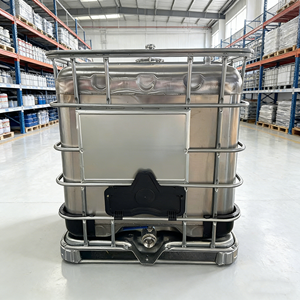
1000L Large-Capacity SS Storage IBC Tank CE ISO Standard
- Compatible with Liquid Nitrogen/Liquids
- High Pressure Resistance Shell
- Precision Nitrogen Blanketing Valve
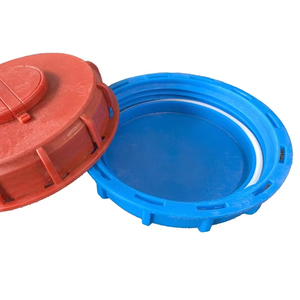
1000L Recyclable HDPE Plastic DN150 Sealing IBC Tank
- High-Density New Material PE
- DN150 Red Sealed Vented Lid
- Sturdy Tubular Galvanized Frame
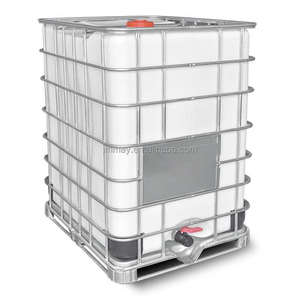
Galvanized Frame 500L/1000L/1500L Chemical Reagent IBC
- Heavy Duty Zinc-Coated Steel Grid
- Stackable 4-High Loading Rigidity
- Chemical Reagent Resistant HDPE
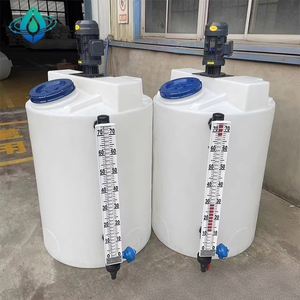
PE Chemical Dosing Tank with Agitator for Water Treatment
- Integrated Electric Mixing Agitator
- Seamless Rotomolded Corrosion PE
- Industrial Reagent Dosing Prepared
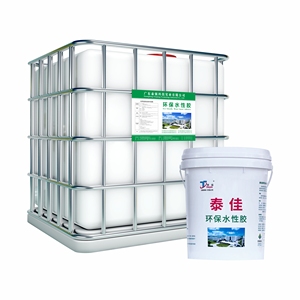
1000 Liters HDPE IBC Tank Container for Hazardous Liquids
- UN Certified for Packing Group II/III
- Four-Way Forklift Entry Steel Pallet
- In-Stock Ready for Moscow Dispatch
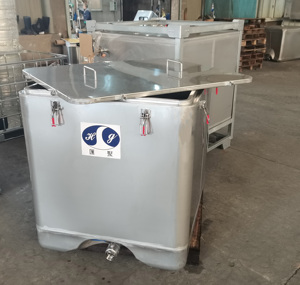
Chemical Acid Transport IBC Stainless Steel 316/304 PE Lined
- Internal Fluoroplastic / PE Lined
- Resistant to Concentrated Acids (HNO3, H2SO4)
- Heavy Duty Outer Vessel Shell
Executive Overview: The Chemical Logistics Landscape in Greater Moscow
The Central Federal District of Russia, anchored by the Greater Moscow metropolitan area, represents the largest industrial consumer market for liquid bulk chemical containment in Eastern Europe. Key industrial hubs—including the Kapotnya Refinery Cluster, Technopolis Moscow, Shchelkovo Chemical Complexes, and Podolsk Logistic Networks—require highly specialized packaging solutions capable of seamlessly moving intermediate chemical feedstocks, specialty reagents, industrial solvents, and synthetic lubricants.
As supply chains restructure across the Eurasian Economic Union (EAEU), chemical manufacturers and distributors in Moscow face dual challenges: securing UN-certified containment that fully complies with international dangerous goods transport regulations (ADR, RID, IMDG) and overcoming extreme environmental stresses specific to Russian logistics. Intermediate Bulk Containers (IBCs) are the primary vector for bulk liquid movement, replacing traditional 200-liter drums due to their superior volumetric efficiency, automated discharge compatibility, and significantly lower labor cost per liter shipped.
This technical paper examines the engineering parameters, metallurgical selection, polymer barrier science, and regulatory compliance required when procuring industrial Chemical IBC Tanks for factory integration and cross-border export into the Moscow regional market.
Localized Application Scenarios & Extreme Operating Conditions
Operating industrial IBC containers within Moscow and transporting them across Russian railway networks (RZD) to Siberia or the Urals demands packaging that transcends standard temperate-climate engineering. Our industrial chemical IBC tanks are specifically tailored for the following operational environments:
Sub-Zero Thermal & Impact Resistance
Moscow winters regularly experience temperature drops to -30°C to -40°C. Standard HDPE polymers suffer brittle transition. Our specialized high-density polyethylene formulations utilize hexene/octene co-monomers to maintain drop-impact energy absorption down to -40°C under full hydraulic payload testing.
Aggressive Acid & Solvent Containment
For Moscow's electroplating, fertilizer, and petrochemical refiners handling concentrated nitric acid, hydrofluoric blends, or aromatic hydrocarbons (toluene/xylene), we provide AISI 316L Stainless Steel IBCs and Fluorinated / PE-lined composite vessels that eliminate stress corrosion cracking.
Trans-Siberian Rail Vibration Damping
Bulk chemical movements via Russian Railways require adherence to GOST 26319-84 shock and sustained harmonic resonance standards. Our heavy-duty galvanized tubular steel outer cages are welded with robotic precision to prevent frame deflection during long-distance intermodal transit.
Furthermore, in municipal water treatment facilities surrounding Moscow (such as Mosvodokanal projects), our PE plastic chemical dosing tanks equipped with high-torque top-mounted agitators ensure continuous homogenizing of coagulants, flocculants, and sodium hypochlorite reagents without structural swelling or environmental stress cracking (ESC).
Selecting the Optimal IBC Vessel Architecture for Chemical Cargo
Procurement managers operating in Moscow must balance initial capital expenditure with total cost of ownership (TCO) and cargo risk profiles. The matrix below outlines technical parameters across our primary container configurations:
| IBC Architecture Type | Inner Container / Material | UN Certification Grade | Thermal Operating Range | Optimal Chemical Payloads |
|---|---|---|---|---|
| Composite HDPE IBC (1000L) | Blow-molded HDPE (Fluorinated optional) | UN 31HA1/Y (Group II & III) | -40°C to +60°C | De-icing agents, mild acids, industrial detergents, glycol, AdBlue. |
| Stainless Steel 304 IBC | Heavy-Gauge Austenitic SS AISI 304 | UN 31A/Y (Group I, II, III) | -50°C to +150°C | Organic solvents, resins, paints, food-grade additives, lubricants. |
| Stainless Steel 316L (PE Lined) | AISI 316L + Fluoropolymer / PE Liner | UN 31A/Y Extreme Acid Rated | -40°C to +110°C | Concentrated sulfuric acid, nitric acid, chlorosulfonic, high-purity reagents. |
| Agitator PE Dosing Tank | Seamless Rotomolded Linear HDPE | CE Industrial Process Rated | -20°C to +50°C | Water treatment polymers, acid neutralization slurry, chemical mixing. |
Strategic Market Trends & EAEU Regulatory Dynamics
The industrial packaging sector in Moscow is undergoing a rapid evolution driven by three macro-economic factors: technical standardization under EAEU regulations, localized sustainability mandates, and the shift toward heavy-duty reusable assets.
1. Compliance with EAEU TR CU 030/2012 & GOST Standards
Chemical packaging imported into or distributed within the Moscow region must satisfy Technical Regulation TR CU 030/2012 (On requirements for lubricants, oils and special liquids) as well as mandatory GOST hazardous cargo standards. All our exported IBC containers carry valid UN 31A/Y or UN 31HA1/Y press-stamped or laser-engraved certification plates. These certifications guarantee that the vessel has undergone rigorous hydraulic pressure tests (up to 200 kPa), drop tests onto frozen steel plates, and stacking load tests exceeding 4,000 kg.
2. Growth of Reconditioning & Closed-Loop Packaging Lifecycles
Sustainability mandates in Central Russia are incentivizing chemical factories to transition from single-trip light-duty containers to closed-loop multi-trip assets. Our heavy-duty composite IBCs feature quick-replacement inner HDPE bottles and modular tubular steel frames, enabling economical local reconditioning (cleaning, valve replacement, and bottle swap) right in Moscow's industrial outskirts. Furthermore, our integration of up to 40% Post-Consumer Recycled (PCR) resin in non-UN outer components supports corporate ESG commitments without compromising structural integrity.
3. High-Value Asset Protection via Stainless Steel Vessels
For high-purity pharmaceutical intermediates and expensive synthetic lubricants imported through Moscow logistics corridors, the market is aggressively migrating toward AISI 316L Stainless Steel IBCs. Unlike plastic containers, stainless steel vessels offer a 20+ year lifespan, zero risk of chemical permeation, complete fire safety compliance (eliminating pool fire hazards in chemical warehouses), and 100% scrap recycling value at end-of-life.
Frequently Asked Questions by Moscow Chemical Procurement Teams
Direct insights addressing technical, regulatory, and logistics inquiries from regional B2B purchasers:
Our composite IBC inner bottles are blow-molded using high-molecular-weight, high-density polyethylene (HMW-HDPE) modified with advanced hexene co-polymers. This engineering resin provides superior Environmental Stress Crack Resistance (ESCR) and maintains notch impact strength down to -40°C. Drop testing is conducted at sub-zero temperatures to ensure complete structural compliance under Russian winter road conditions.
For flammable or corrosive liquids classified under UN Packing Group II or III, containers must carry a UN 31HA1/Y marking for composite IBCs or UN 31A/Y for metal IBCs. The 'Y' rating certifies the container for liquids with a specific gravity up to 1.9. Our factory supplies fully certified units complete with official UN test certificates recognized by Russian maritime, rail, and road regulatory bodies.
Yes. For extremely corrosive reagents—such as concentrated hydrochloric acid or fluorosilicic acid—that attack even high-grade stainless steel, we manufacture hybrid IBCs. These units combine a structural AISI 304 or 316L outer steel vessel with a seamless rotational-molded fluoropolymer or heavy-duty polyethylene (PE) liner, providing absolute corrosion immunity paired with steel structural integrity.
We recommend integrated ball or butterfly valves fitted with PTFE (Teflon) or Viton (FKM) gaskets to withstand aggressive solvent degradation. For volatile organic compounds (VOCs), our IBC lids feature automatic pressure-relief venting caps (DN150/DN225) with gold-stamped seal rings to prevent pressure buildup during ambient temperature swings while preventing hazardous gas leakage.
We maintain dedicated export production lines optimized for high-volume containerized sea-rail logistics. Containers are packed on heavy-duty 4-way entry steel pallets to facilitate rapid automated forklift handling at Moscow rail terminals (e.g., Vorsino, Silikatnaya). Standard manufacturing lead time for full container loads (FCL) is 10–15 days, backed by full customs documentation packages.
Yes. In addition to standard 1000-liter units, we manufacture 500-liter, 800-liter, 1200-liter, and 1500-liter IBC vessels. Custom dimensional footprints can be engineered to maximize shipping container cube space or meet specific height restrictions within automated batching facilities in Moscow chemical plants.
Why Global Chemical Leaders Partner with Our Factory Network
With a combined manufacturing heritage spanning more than three centuries across global packaging platforms, our organization stands as an undisputed authority in industrial rigid packaging design, testing, and distribution.
Core Manufacturing Competencies & Quality Guarantees
Our state-of-the-art production facilities utilize fully automated robotic welding, 6-axis blow molding extrusion, and 100% digital helium leak-detection systems to ensure zero-defect output for dangerous chemical export.
Multi-layer extrusion technology allowing EVOH gas barrier layers to be sandwiched inside HDPE walls, preventing oxygen ingress and chemical vapor permeation.
Automated TIG/MIG welding for stainless steel IBCs with internal seam grinding and full chemical passivation treatments to eliminate weld decay and iron contamination.
In-house certified testing laboratories performing pneumatic pressure, hydraulic burst, vibration, drop, and top-load stacking tests under ISO 9001:2015 quality control.
Dedicated international trade departments specializing in customs clearance documentation, certificate of origin issuing, and direct door-to-door dispatch to Moscow hubs.
Optimize Your Chemical Packaging Supply Chain in Moscow
Whether you require UN31A/Y stainless steel IBC tanks for aggressive acid export, 1000L cold-resistant composite IBCs, or specialized dosing tanks for industrial water treatment plants, our engineering team is ready to deliver tailored packaging specs and factory-direct pricing.