
Industrial Packaging Product Portfolio
Engineered specifically for ADR, RID, and IMDG Code hazardous cargo export demands originating from Metropolitan Region Hamburg and Port Terminals.
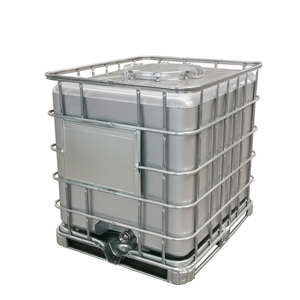
Chemical 304 Stainless Steel 500L-3000L IBC Tank
Heavy-duty UN certified 304/316L stainless steel container designed for extreme corrosion resistance, high pressure tolerance, and repeated maritime bulk liquid transport.
Get Catalog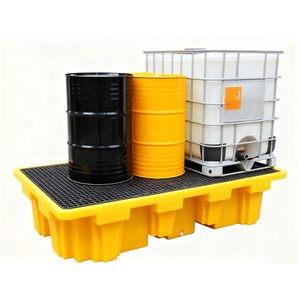
Leakproof Poly IBC Tote Secondary Spill Containment Pallet
High-density virgin polyethylene containment system with high sump capacity, fully compliant with WHG (Water Resources Act) and Hamburg environmental safety protocols.
Get Catalog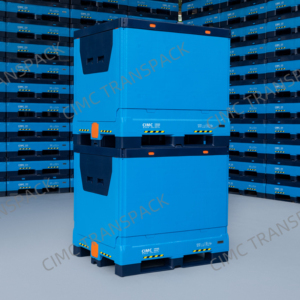
1000L Plastic Foldable Heavy-Duty Liquid IBC Container
Space-saving returnable intermediate bulk container engineered by CIMC. Optimized for low return-freight costs across Northern European freight corridors.
Get Catalog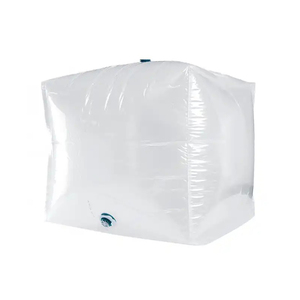
1000L PE Food-Grade Liquid Liner Bag for Oil & Water Totes
Multi-layer co-extruded aseptic liner bags preventing contamination and eliminating cleaning costs for non-hazardous and sensitive chemical raw materials.
Get Catalog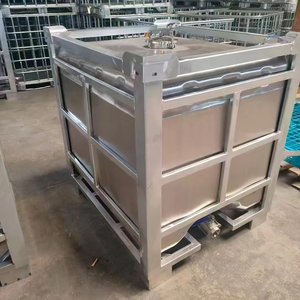
1000L Thickened Stackable Stainless Steel Hazardous IBC
Reinforced steel structure engineered for Class 3 flammable liquids, petrochemical solvents, and aggressive hazardous solutions with top/bottom valve protection.
Get Catalog
Ethylene Glycol 99% Purity 1000L Heavy-Duty IBC Packaging
Industrial-grade glycol packaging solution designed for automotive fluids, antifreeze, and heat-transfer fluids exported via Northern German sea routes.
Get Catalog
500L Conductive Recyclable IBC Tote for Explosive Zones
Antistatic outer layer and grounding wire connections engineered for safe operation in ATEX Zone 1 and Zone 2 hazardous chemical handling facilities.
Get Catalog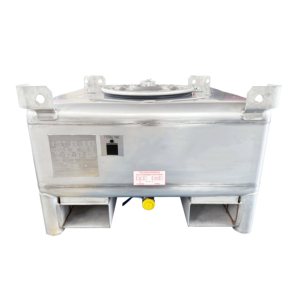
1000L Stackable Stainless Steel Hybrid Hazardous Material IBC
Precision-engineered hybrid container combining sanitary internal finishes with durable stackable frames for chemical logistics in harbor terminals.
Get Catalog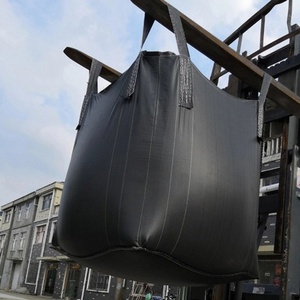
1000kg Antistatic Type C/D Conductive Bulk Bags for Powder
Heavy-duty flexible bulk bag featuring SF 5:1 rating and conductive threads, designed for mining, fine chemical powders, and combustible solids.
Get Catalog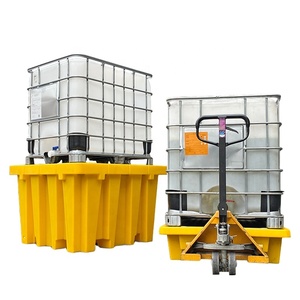
Heavy-Duty Big Sump Capacity Poly IBC Spill Containment Dock
Modular PE spill containment platform engineered to prevent harbor soil contamination during dynamic fluid transfer and dispensing ops.
Get CatalogEngineering Hazardous Goods Packaging for the Metropolitan Region Hamburg
As Europe’s third-largest container port and the primary logistics gateway for Northern & Eastern Europe, the Hamburg Maritime Chemical Ecosystem demands rigid packaging solutions engineered to the highest international safety thresholds. Transporting dangerous liquids—ranging from ADR Class 3 flammable solvents to ADR Class 8 corrosive acids—requires Intermediate Bulk Containers (IBCs) certified under stringent UN regulations and validated by federal bodies like the German Federal Institute for Materials Research and Testing (BAM - Bundesanstalt für Materialforschung und -prüfung).
Whether supplying bulk liquids to the chemical parks in Hamburg-Wilhelmsburg, Harburg, or managing intermodal ocean freight through the Container Terminals Altenwerder (CTA) and Waltershof, global exporters must mitigate complex supply chain risks: electrostatic discharge during high-speed filling, dynamic stress cracking during multi-tier deck stacking, and vapor permeation during extended tropical sea transits.
UN 31HA1 & 31A Certification
Full compliance with UN regulations for liquid hazardous substances (Packing Groups II and III). Tested for hydraulic pressure, drop impact at -18°C, and top-load stacking up to 2250 kg.
ATEX Explosion Protection
Integrated anti-static outer layers, conductive inner liners, and grounding cable fixtures prevent electrostatic discharge risks in ATEX Zone 1 and 2 flammable liquid filling areas.
Fluorinated Barrier Layers
In-line and off-line EVOH multi-layer co-extrusion or fluorination prevents solvent swelling, structural wall degradation, and volatile organic compound (VOC) loss during transport.
Localized Application Scenarios in Hamburg Industrial Zones
Customized container configurations built for regional manufacturing processes, port terminals, and intermodal transport chains.
1. Maritime Intermodal Export via Port of Hamburg (Hafen Hamburg)
Deep-sea container shipping demands extreme durability against wave-induced pitching and multi-tier deck stacking. Our heavy-duty UN 31HA1 composite IBCs feature tubular steel frames with hot-dip galvanization to withstand salt spray corrosion. Rated for high dynamic load capacity, these containers seamlessly integrate into standard ISO 20ft and 40ft sea containers, ensuring maximum volumetric efficiency without risking container deformation under maritime G-force shocks.
2. Flammable Solvent Transfer in Waltershof & Harburg Chemical Parks
Facilities handling toluene, xylene, alcohols, and volatile organic solvents require strict static spark prevention. Our EX-rated anti-static composite IBCs feature specialized carbon-conductive outer layers with surface resistance < 109 Ω. Fitted with grounded discharge valves, these containers eliminate the danger of explosive vapor ignition during high-flow transfer operations in certified ATEX operating zones.
3. High-Purity Pharma & Specialty Chemical Storage in Northern Germany
For aggressive acids, ultra-pure chemical intermediates, and active pharmaceutical ingredients (APIs), standard HDPE liners may risk micro-permeation or particle contamination. Our AISI 304 / 316L Stainless Steel IBC tanks (500L - 3000L) offer sanitary inner polishes (Ra < 0.4 µm), pressure discharge capabilities up to 2.0 bar, and total immunity to UV exposure, ensuring 100% chemical integrity.
4. Renewable Biofuels & Automotive Antifreeze Bulk Logistics
Northern Germany is a key hub for green energy conversion and bio-diesel refineries. Packaging raw inputs like 99% pure Ethylene Glycol, Hydrotreated Vegetable Oil (HVO100), and lubricants requires containers with high Environmental Stress Crack Resistance (ESCR). Our high-density polyethylene inner bottles are molded with proprietary resins that maintain structural ductility even during freezing winter storage in Northern Europe.
Technical Specification & Selection Matrix for Hazardous Goods
Compare technical parameters across container types to select the optimal container for your ADR/IMDG class requirements.
| IBC Container Specification | UN 31HA1 Composite (Standard) | UN 31HA1 Anti-Static (EX Zone) | UN 31A Stainless Steel (304/316L) | Antistatic Type-C Conductive FIBC |
|---|---|---|---|---|
| Target Media / Hazardous Goods | Class 8 Corrosives, Class 9 Non-Flammable | Class 3 Flammables, Solvents, Thinners | Class 3, 6.1, 8 High-Purity & High-Vapor Chem | Dry Chemical Powders, Combustible Dust |
| ATEX Explosive Zone Rating | Safe for non-flammable zones | Zone 1 & Zone 2 Compliant | Zone 0, 1, and 2 Compliant | Zone 1 & 2 Dust Explosive Areas |
| UN Marking Example | UN 31HA1/Y/1.9/100/... | UN 31HA1/Y/1.5/100/... EX | UN 31A/Y/0524/... | UN 13H4/Y/... |
| Permeability Barrier | Optional Fluorination / EVOH | Co-extruded Conductive Outer Layer | Zero Permeation (100% Metallic Seal) | Polypropylene Woven + Conductive Fibers |
| Temperature & Pressure Max | -20°C to +60°C / Non-pressurized | -20°C to +60°C / Non-pressurized | -40°C to +150°C / Up to 2.0 bar test | -15°C to +50°C / Atmospheric pressure |
| Hamburg Return Logistics | Tri-Way Reconditioning / Wash Ticket | Specialized Anti-Static Reconditioning | Multi-Year Reusable Closed-Loop Asset | Recyclable Polymer Processing |
Regulatory Trends & Sustainability Directives in Northern Germany
1. BAM Approval & ISO 16106 Quality Assurance
German transport authorities strictly enforce ISO 16106 (Transport packages for dangerous goods). Every UN-rated container exported through Hamburg ports undergoes continuous drop-test, leakproofness, and internal hydraulic pressure verification to maintain valid BAM design type approvals.
2. European Green Deal & PCR Content Integration
The Port of Hamburg's sustainability initiatives mandate reduced lifecycle carbon footprints. We lead the industry by offering UN-certified composite IBCs incorporating Post-Consumer Recycled (PCR) HDPE resin in the outer plastic structure without compromising UN structural strength ratings.
3. Closed-Loop Reconditioning & Wash-Ticket Logistics
To support circular economy frameworks across Northern Germany, our service network offers nationwide empty tote collection, automated inner bottle washing, grid reconditioning, and official wash-ticket documentation for seamless multi-trip usage.
Frequently Asked Questions by Hamburg Procurement Managers
Expert technical insights answering key compliance, safety, and operational queries for B2B buyers.
What BAM UN markings are required for exporting Class 3 solvents through Port of Hamburg?
Exports of flammable liquids (Class 3) require containers marked with UN 31HA1/Y (Packing Group II & III) or UN 31HA1/X (Packing Group I). Furthermore, if dispensing in ATEX-rated zones, the container must feature the anti-static "EX" label, grounding connections, and pass the electrostatic surface resistance test (< 109 Ω) prescribed by TRGS 727 guidelines.
How do freezing winter temperatures in Northern Europe impact HDPE IBC performance?
Standard poly plastics can become brittle at sub-zero temperatures. Our hazardous material IBCs utilize specialized virgin HDPE resins engineered for high impact strength down to -20°C. During mandatory UN design type approval testing, inner containers are cooled to -18°C before undergoing a 1.9-meter drop test to ensure zero fracture risks during harsh winter handling.
Are reconditioned IBC totes legally compliant for maritime dangerous goods under IMDG?
Yes, provided the reconditioning facility operates under an accredited ISO 9001 quality system and applies a valid reconditioner's mark (e.g., USA/R/... or DE/R/...). Reconditioned containers must undergo leakproofness pressure testing at 20 kPa and visual inspection. For sensitive chemicals, we recommend "re-manufactured" IBCs equipped with a brand-new inner bottle inside a cleaned, reconditioned steel cage.
What is the advantage of Stainless Steel IBCs over Composite IBCs for chemical exports?
While composite IBCs (HDPE in steel cage) have a 5-year maximum UN regulatory lifespan for dangerous goods, Stainless Steel IBCs (304/316L) offer an unlimited service life with periodic 2.5-year re-inspections. Stainless steel containers handle working pressures up to 2.0 bar, withstand high-temperature steam sterilization, eliminate vapor permeation, and provide total ROI for high-value closed-loop shipping routes.
Enterprise Manufacturing Strengths & Global Quality Benchmark
With over three centuries of combined industrial packaging innovation across our global manufacturing matrix, we bring uncompromised engineering precision to Northern European enterprise buyers. Our production lines combine automated robotic welding, multi-layer blow-molding extrusion, and 100% automated pressure-decay leak detection.
Zero-Leak Pressure Testing
Every single inner container undergoes a 100% pneumatic pressure decay test prior to cage assembly, verifying seal integrity at valve interfaces and top fill openings.
Ultrasonic Wall Mapping
Continuous automated ultrasonic sensors measure HDPE wall thickness across all stress points, preventing thin spots and ensuring uniform ESCR performance.
Global Fleet Tracking & Support
Our network spans 170+ locations worldwide, enabling seamless container collection, fleet tracking, and local technical assistance wherever your dangerous goods land.
Request Hazardous Packaging Technical Specifications & Hamburg Price List
Consult with our dangerous goods packaging engineers to verify UN ratings, chemical compatibility, or request custom bulk supply quotes tailored to Port of Hamburg shipping schedules.