
Certified Industrial & Medical Waste Containment Products
Heavy-duty, reusable, and UN-certified stainless steel pressure vessels, intermediate bulk containers (IBCs), and storage tanks engineered for bio-hazardous liquids, chemical sterilants, and medical waste handling across Uzbekistan factories and hospitals.
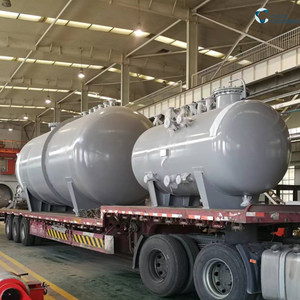
- High-pressure medical effluent containment
- SUS304 / SUS316L corrosion resistant
- Custom sizes for healthcare autoclaves
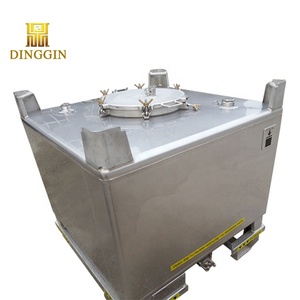
- Dangerous liquid medical waste transport
- Heavy-duty protective outer frame
- Standard 2-inch bottom discharge valve
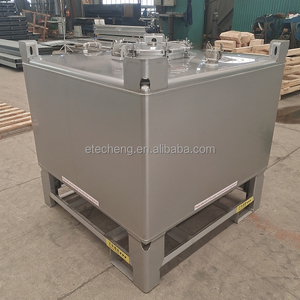
- Hermetic seal prevents toxic vapor leak
- Forklift-accessible 4-way base frame
- Ideal for pharmaceutical waste streams
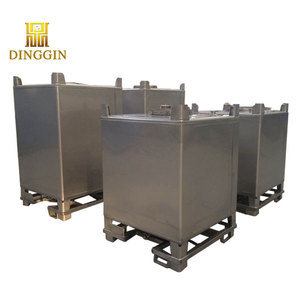
- Maximizes container transport volume
- Smooth internal walls prevent residue
- Resistant to aggressive sanitizers
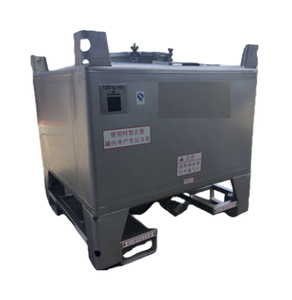
- Cost-effective bulk waste containment
- Automatic TIG welding construction
- Integrated pressure relief valve
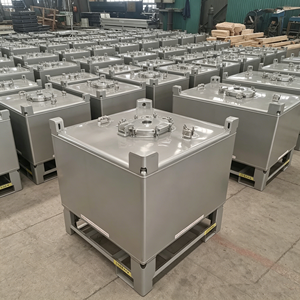
- Saves up to 50% hospital storage space
- Corrosion-resistant anti-rust passivation
- Complete 1-year factory warranty
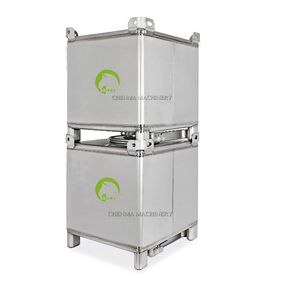
- Integrated cooling/heating dimple jacket
- Thermal treatment of infectious waste
- Available in 500L, 1000L, 2000L
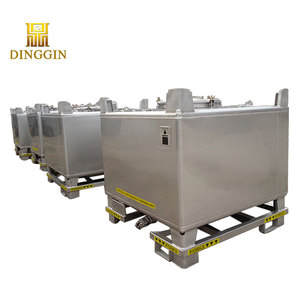
- Maximum resistance to acid & toxic fluids
- 350GAL to 2000L ultra-durable build
- UN 31A certified for transit across Central Asia
Executive Summary: Modernizing Uzbekistan's Medical Waste Infrastructure
The Republic of Uzbekistan is currently undergoing an unprecedented structural transformation of its healthcare ecosystem. Driven by national development initiatives under Presidential Decree No. UP-5590 and extensive modernizations spearheaded by the Ministry of Health (O'zbekiston Respublikasi Sog'liqni Saqlash Vazirligi), Uzbekistan is rapidly expanding its clinical network, regional diagnostic centers, and specialized pharmaceutical zones such as the Tashkent Pharma Park. However, this explosive growth brings a critical operational challenge: the safe, compliant, and bio-secure containment, transport, and disposal of medical waste.
Medical waste—encompassing pathological specimens, cytotoxic pharmaceuticals, infectious liquid effluents, sharps, and chemical disinfestants—requires specialized containment solutions that far surpass conventional plastic bins or light-gauge drums. As primary procurement teams, hospital facility engineers, and industrial waste processing facilities in Tashkent, Samarkand, Bukhara, and Namangan scale up operations, the demand for heavy-duty, UN-certified stainless steel medical waste containers and intermediate bulk containers (IBC totes) has reached a historical peak. This whitepaper analyzes the technical parameters, localized application scenarios, regulatory mandates, and global manufacturing standards governing medical waste containment in Uzbekistan.
Localized Application Scenarios in Uzbekistan's Healthcare & Industrial Zones
Uzbekistan's geographic position as the double-landlocked central logistics hub of Central Asia dictates a robust regional waste management architecture. Medical waste containment cannot be treated with a one-size-fits-all approach. The deployment of high-grade SUS304 and SUS316L stainless steel containers spans several specialized domestic sectors:
Major clinical centers such as the Republican Specialized Scientific-Practical Medical Center of Surgery in Tashkent generate large volumes of infectious fluid waste and anatomical tissue. Stainless steel pressure vessels and hermetically sealed tote containers allow safe cold-chain accumulation prior to central incineration or autoclaving, preventing pathogen dispersal.
Pharmaceutical factories manufacturing active pharmaceutical ingredients (APIs), antibiotics, and vaccines generate corrosive chemical wastes, toxic mother liquors, and bio-hazardous fermentation residues. SUS316L 1000L IBC totes with jacketed temperature control provide complete chemical inertness and spill prevention during internal logistics.
In industrial hubs like Navoi, Almalyk, and Fergana, centralized medical waste sterilization facilities collect waste from dozens of regional polyclinics. Heavy-duty stackable stainless IBC tote containers endure severe road vibration during transit across regional highways while facilitating automated mechanical tipper unloading.
In each scenario, container material selection is dictated by the chemical aggressiveness of the waste stream. Standard single-use plastic bags or low-density polyethylene bins pose high perforation risks from mismanaged sharps, micro-fracturing under extreme summer ambient temperatures in Uzbekistan (exceeding 45°C in the Kyzylkum region), and catastrophic seal breakdown when exposed to concentrated disinfectants (such as peracetic acid, glutaraldehyde, or sodium hypochlorite).
Uzbekistan Legislative & Regulatory Standards for Waste Containers
Navigating the regulatory landscape in Uzbekistan requires absolute compliance with both national sanitary-hygienic rules and international dangerous goods transportation frameworks. Medical waste containers imported into or manufactured within Uzbekistan must satisfy strict benchmark criteria:
| Standard / Regulation | Governing Body | Core Requirement for Waste Containers | Material & Design Mandate |
|---|---|---|---|
| SanPiN N3007-12 | Ministry of Health (Uzbekistan) | Sanitary Rules & Norms for collection, storage, and disposal of healthcare waste (Classes A, B, C, D). | Class B & C waste requires puncture-proof, hermetically sealed, color-coded yellow/red rigid containers with chemical resistance. |
| UN 31A/Y Certification | United Nations Committee of Experts | International certification for transporting liquid hazardous materials and bio-waste by road/rail. | Must withstand drop tests, hydrostatic pressure tests (200kPa+), and vibration stress without structural fatigue. |
| ASME Section VIII Div. 1 | ASME / International Standard | Design code for pressure vessel storage tanks handling pressurized bio-hazardous liquid waste. | Full X-ray radiograph weld inspection, pressure relief valves, and heavy-gauge stainless steel construction. |
| GOST 12.1.007-76 | UzStandard (O'zstandart) | Harmonized classification of harmful substances and container containment safety classes. | Zero vapor escape for Hazard Class 1-3 chemical effluents; non-porous cleanable metal surfaces. |
SanPiN N3007-12 Compliance Note: Medical waste generated in Uzbekistan is categorized into four main risk classes: Class A (Non-hazardous, municipal-like), Class B (Epidemiologically hazardous / infectious), Class C (Extremely epidemiologically hazardous / toxicological), and Class D (Radioactive). Heavy-duty stainless steel containers recommended on this platform are specifically engineered to handle high-risk Class B and Class C liquid and solid waste streams, providing a physical barrier against bio-hazardous contamination.
Key Market Trends Driving Container Demand in Uzbekistan
The industrial landscape for medical waste containers in Central Asia is evolving rapidly. Key macro trends shaping procurement strategies for factories, municipal authorities, and healthcare suppliers in Uzbekistan include:
To align with global ESG (Environmental, Social, and Governance) targets, Uzbek healthcare networks are phasing out single-use polypropylene drums that accumulate in regional landfills. Premium SUS304/316L stainless steel IBCs offer a 30+ year operational lifespan with 100% recyclability.
Modern medical waste processing facilities in Tashkent are installing automated washing and high-temperature steam sterilization systems. Stainless steel containers withstand thermal shocks up to 200°C without warping or degrading mechanical seals.
With Uzbekistan strengthening trade corridors connecting Kazakhstan, Kyrgyzstan, Turkmenistan, and China, standard UN-rated cubic IBC totes allow max-cube shipping in standard ISO sea containers and rail boxcars without wasting cargo space.
Why Leading Healthcare & Industrial Buyers Partner With Us
Leveraging global manufacturing standards, deep metallurgical expertise, and complete customization for Uzbekistan’s industrial infrastructure.
Surgical Grade Metallurgy
We source prime, certified SUS304 and SUS316L stainless steel plates featuring superior nickel and chromium content to resist pitting corrosion caused by aggressive disinfectants and toxic chemical waste.
Robotic TIG & Laser Welding
Our automated manufacturing facilities utilize robotic continuous seam welding and interior smooth-bead polishing (Ra < 0.4µm), eliminating crevices where pathogenic bacteria or chemical contaminants could hide.
Rigorous Hydrostatic Testing
Every single pressure vessel and IBC tote undergoes 100% hydrostatic pressure testing, helium leak detection, and UN drop testing before dispatch to ensure zero failure during transit.
Custom Engineering & Jackets
From dimple heating/cooling jackets for temperature-sensitive bio-neutralization to custom discharge valves, level gauges, and heavy-duty stackable frames, we tailor designs to your factory floor requirements.
Frequently Asked Questions (FAQ) for Uzbekistan Procurement
Technical guidance for hospital engineers, factory procurement leads, and logistics managers sourcing medical waste containers in Uzbekistan.