
Featured Industrial Oil Storage IBC Solutions
UN-Approved 1000L to 1500L Totes & Fluid Logistics Systems Ready for Port of Melbourne Dispatch
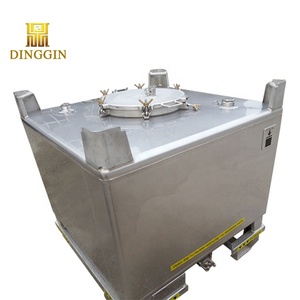
SS304/SS316L UN Approved 1000L Stainless Steel IBC Tote Tank 1500L
Contact Us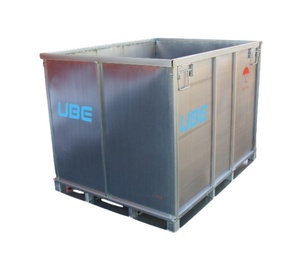
CIMC Metal IBC Tank UN Certified For Chemical And Oil Storage Solutions
Contact Us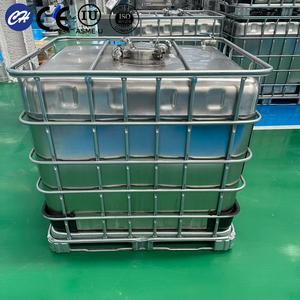
Heavy Duty Corrosion Resistant 1000L Stainless Steel & HDPE IBC Tank
Contact Us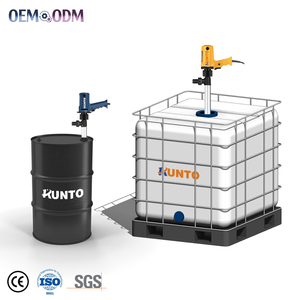
Electric Drum Pump 55 Gallon / IBC 220V Electric Oil & Chemical Pump
Contact Us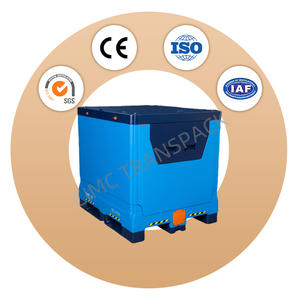
Anti-Static Large Plastic Folding IBC Container (EU Standard)
Contact Us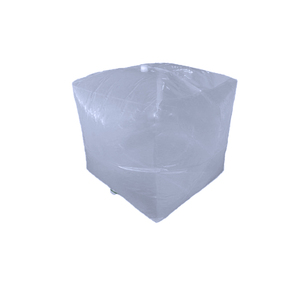
Paper 1000L IBC Tote Tank with Food-Grade Liner Bag for Edible Oils
Contact Us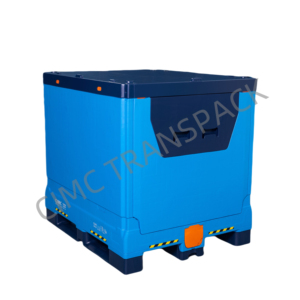
Modular Chemical & Lube Oil Storage Equipment 1000L, 1250L, 1500L Tanks
Contact Us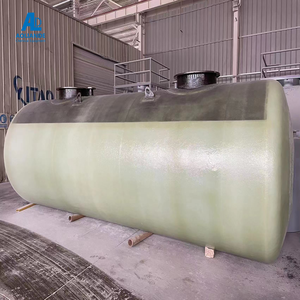
Double-Walled SF Fuel Oil Safety Storage Tank for Filling Stations
Contact UsEngineering Excellence for Melbourne’s Heavy Industrial & Chemical Sector
As Victoria continues its rapid industrial expansion across major logistics hubs including Altona North, Laverton North, Derrimut, and Dandenong South, the demand for high-integrity, liquid packaging infrastructure has reached an all-time high. Storage and transport of hydrocarbon oils, synthetic lubricants, transformer oils, and specialty agricultural chemicals require packaging units engineered beyond baseline standards.
Our UN 31A/Y approved metallic Intermediate Bulk Containers (IBCs) are specifically configured to fulfill strict Australian regulatory mandates—notably AS 1940-2017 (The storage and handling of flammable and combustible liquids) and WorkSafe Victoria Dangerous Goods framework. Designed to resist the dynamic kinetic stresses encountered during intermodal transport via the Port of Melbourne and freight rail corridors across Victoria, these units represent the benchmark in containerized liquid logistics.
Information Gain Insights for Melbourne Procurement Teams
Unlike standard composite IBCs with HDPE inner bottles that suffer from environmental stress cracking (ESC) when exposed to aromatic hydrocarbons or high temperatures, 304 and 316L stainless steel IBC totes offer non-permeable, zero-sloshing, zero-degradation containment with complete resistance to UV radiation and thermal expansion pressure build-up.
Technical Metallurgy & Structural Integrity Specifications
The core structural frame and container shell undergo cold-rolling, precision TIG welding, and full pickling/passivation (2B surface finish standard). This process removes free iron contamination, enhancing passive chromium-oxide corrosion protection—vital for maritime shipping through Port Phillip Bay and long-term depot storage under Melbourne’s fluctuating coastal weather conditions.
- Shell Thickness: Heavy-gauge 2.0mm to 3.0mm 304/316L stainless steel walls engineered to absorb fork-pocket dynamic impacts.
- Venting Systems: Dual-action pressure relief valves (PRV) with fusible cap emergency venting rated for extreme temperature spikes.
- Discharge Valves: Heavy-duty 2-inch or 3-inch 316SS ball valves or butterfly valves featuring PTFE or Viton seals resistant to aromatic solvents, synthetic diesel, and lube oil additives.
- Stacking Capacity: Rated for up to 3-high full dynamic stacking (with maximum 1.9 specific gravity liquid contents).
Industrial Packaging Specification Matrix
Comparative Technical Evaluation for Oil & Chemical Storage Applications in Australia
| Parameter / Feature | 1000L SS304/SS316L Metallic IBC | Heavy-Duty HDPE Composite IBC | Paper IBC with Multi-Layer Liner | SF Double-Walled Fuel Tank |
|---|---|---|---|---|
| Primary Target Application | Combustible oils, petrol, solvent blends, lube oils | Non-hazardous oils, lube oil, glycol, wash water | High-viscosity edible oils (Coconut, Palm, Tallow) | Underground filling station storage, fuel depots |
| UN Approval Rating | UN 31A/Y (Packing Group II & III) | UN 31HA1/Y (Standard Liquids) | Non-UN (Food Grade / Non-DG) | AS 1940 / UL 142 Certified |
| AS 1940-2017 Compatibility | Fully Compliant (Class 3 & Combustible C1/C2) | Restricted to Class C1/C2 Combustible liquids | Non-DG Bulk Liquid transport only | Full Compliance for Underground Storage |
| Service Life Expectancy | 15 to 20 Years (Fully Reconditionable) | 2 to 5 Years (Limited bottle bottle lifespan) | Single-Trip / Disposable Outer Box | 30+ Years (Stationary Facility) |
| Static Stacking Rating | Up to 4 High (Fully Laden) | Up to 2 High (Fully Laden) | Up to 2 High (Dry Storage) | N/A (Anchored Tank Foundation) |
| Cleaning & Sterilization | High-pressure caustic wash, steam sterilizable | Rinse or bottle replacement required | Single-use disposable inner bag | In-situ fuel tank purging system |
Localized Application Scenarios across Victoria
How Regional Industries Deploy Metallic & Specialty IBC Packaging
Petrochemical & Fuel Blending Hubs
Operating in the industrial belts of Brooklyn and Altona, fuel refiners and chemical blending plants utilize UN 31A/Y stainless steel totes for high-flashpoint additives, engine oil viscosities, and bio-diesel fractions where fire safety, static electricity dissipation, and zero fuel evaporation loss are non-negotiable.
Agricultural Machinery Lubricants
Distributors delivering bulk hydraulic fluids and heavy engine lubricants to agricultural regions in northern and western Victoria rely on heavy-duty metallic totes. Their rugged construction eliminates rupture risks during transit over unpaved rural roads and harsh farm site handling.
Port of Melbourne Intermodal Freight
Customized bottom-discharge valve configurations and standard ISO foot dimensions allow seamless integration into ISO sea containers, container chassis, and flat-rack logistics, providing efficient bulk export out of Swanson Dock to Asia-Pacific markets.
Victoria’s Circular Economy & ESG Procurement Trends
With Victoria's strict environmental protection regulations enforced by EPA Victoria (Environment Protection Act 2017), industrial enterprise buyers in Melbourne are actively shifting away from single-use packaging toward closed-loop, recyclable fluid packaging systems. The State Government's target for zero net direct emissions by 2040 has accelerated corporate sustainability audits across logistics networks.
Key Industry Drivers Shaping Melbourne IBC Procurement:
- Transition to Stainless Steel Re-usable Assets: While initial purchase capital expenditure for stainless steel totes is higher than plastic composite totes, the Total Cost of Ownership (TCO) over a 10-year period drops by more than 62% due to extended reuse cycles and elimination of plastic bottle disposal fees.
- Secondary Bunding & Containment Compliance: EPA Victoria guidelines specify that stored liquid containers must be supported by secondary bunding capable of holding at least 110% of the largest container's capacity. Integrated self-bunded spill pallets and double-walled storage setups prevent costly soil and stormwater contamination penalties.
- IoT Telemetry Integration: Modern Melbourne supply chain operators are equipping stainless steel IBCs with smart level-monitoring sensors, GPS tracking, and temperature transmitters for real-time inventory visibility across distributed warehousing in Victoria.
Complete Oil Storage & Handling Accessories
Auxiliary Equipment & Specialty Totes for Industrial Sites
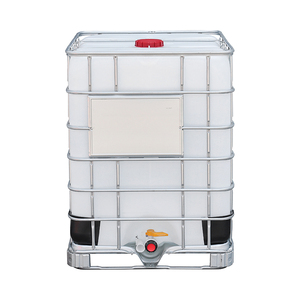
500L, 1000L, 1200L Multi-Option Plastic IBC Tank for Oil & Chemical Storage
Contact Us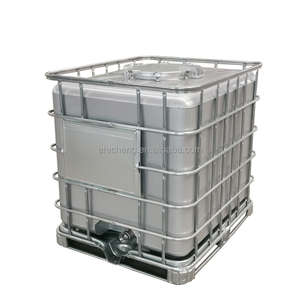
UN 31A/Y Stainless Steel IBC Liquid Chemical Storage Tote Container 1000L
Contact Us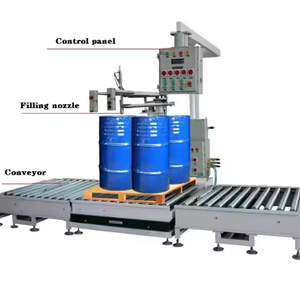
Automatic 200L Drum & 1000L IBC Lube Oil Weighing and Filling Machine
Contact Us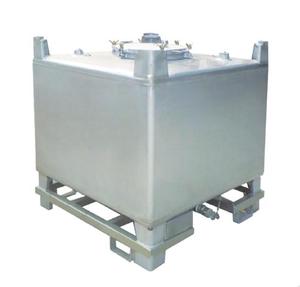
Heavy Duty Stainless Steel IBC Tank (1000L/1500L) with Valve & Manhole
Contact Us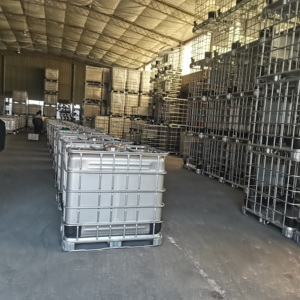
Customizable Stainless Steel IBC Tank (2B Surface Pickling Passivation)
Contact Us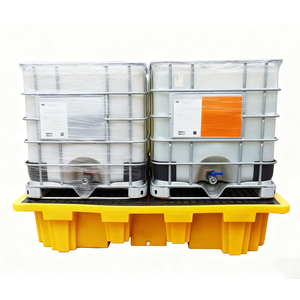
Heavy Duty Low-Profile Secondary Bund Spill Pallet for IBC & Oil Drums
Contact Us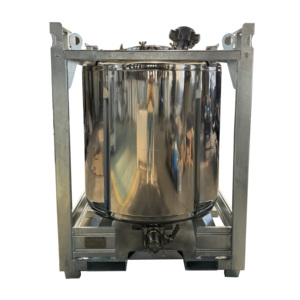
Wanlong Stainless Steel Eco-Friendly IBC Tanks (500L - 3000L Capacity)
Contact UsMelbourne Industrial Buyer FAQ
Technical Clarifications, Compliance Standards & Export Logistics Guidance
Yes. Our stainless steel IBC tanks are strictly certified under UN 31A/Y design standards, making them fully authorized for transporting Packing Group II and III flammable liquids (Class 3) and combustible liquids across Australia. Each unit is stamped with its official UN code and comes accompanied by factory pressure test certificates compliant with WorkSafe Victoria and Australian Dangerous Goods (ADG) regulations.
Grade 304 stainless steel offers excellent resistance to general petroleum oils, engine lubricants, and hydraulic fluids at a cost-effective price point. Grade 316L contains added molybdenum (2-3%), providing superior resistance to pitting and crevice corrosion when handling aggressive chemical additives, acidic oils, bio-diesel, or when stored in coastal marine environments around Port Phillip Bay.
Every exported IBC tank undergoes rigorous factory hydrostatic pressure testing (up to 200 kPa) and pneumatic leak testing prior to dispatch. Discharge valves feature double-seal PTFE/Viton gaskets, anti-vibration locking handles, and heavy-duty protective valve guard frames to prevent physical damage during container loading and ocean transit.
Absolutely. Stainless steel IBCs possess high thermal conductivity and structural heat tolerance, rendering them compatible with external electric heating blankets, steam heating coils, or thermal oil jackets. This is ideal for maintaining pumping viscosities for heavy lube base oils, waxes, tallow, and vegetable oils during Melbourne’s colder winter months.
Standard 1000L and 1500L UN-approved stainless steel IBC totes are maintained in core manufacturing stock for rapid dispatch. Ocean container freight from our port facilities directly to Swanson Dock / Victoria Dock in Melbourne typically takes 14 to 21 days. Customs documentation, bill of lading, packing lists, and UN certificates are issued seamlessly for prompt customs clearance.
While the IBC container itself is the primary containment vessel, EPA Victoria guidelines mandate secondary spill bunding on-site. We supply dedicated low-profile poly and steel spill containment pallets engineered to capture over 110% of a 1000L IBC capacity, ensuring full compliance for indoor and outdoor facility storage.
Why Global Supply Chains Trust Our Export Infrastructure
With decades of specialized manufacturing expertise in industrial packaging and bulk liquid containment systems, our facility combines automated robotic welding, precision laser cutting, and rigorous Quality Assurance (QA) inspection protocols under ISO 9001:2015 accreditation.
Precision Metallurgy
100% prime-grade stainless steel sourced from certified mills with complete material test reports (MTR) verifying chemical composition and mechanical strength.
Customized Valve Engineering
Tailored discharge connections including Camlock, Quick-Disconnect, Tri-Clamp, and dry-disconnect valves engineered to prevent drip spillage during fluid transfer operations.
Turnkey Logistics Support
Dedicated export freight management offering FOB, CIF, or DDP terms directly to your warehouse facility in Melbourne, Victoria.
Ready to Upgrade Your Melbourne Oil Storage Infrastructure?
Contact our senior technical engineering team today for custom quotes, technical drawings, UN certification documentation, and export delivery schedules tailored to your business needs.