
Featured Industrial IBC Tanks & Containment Systems
Engineered for long-term oil storage, cross-border highway transport, and harsh North American freeze-thaw cycles.
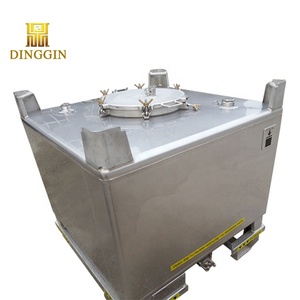
- UN 31A/Y Certification
- Petrol, Lube & Solvent Rated
- 3-Year Structural Warranty
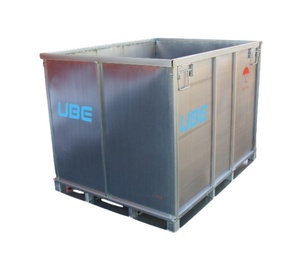
- Heavy-Duty Galvanized Frame
- Stackable 4-High Design
- Bottom Discharge Valve
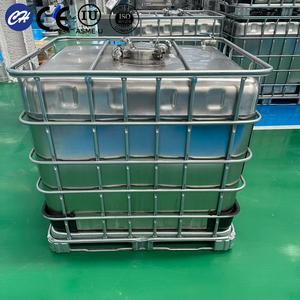
- ASME & CE Certified
- Long-Term Liquid Storage
- Viton / PTFE Sealed
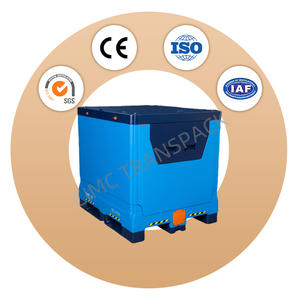
- EX Zone Explosion Proof
- Collapsible Return Packaging
- EU & Transport Canada Standard
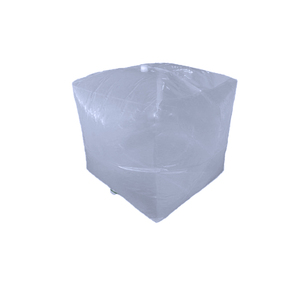
- 100% Recyclable Corrugated
- Sterile Food Grade Bag
- One-Way Export Solution
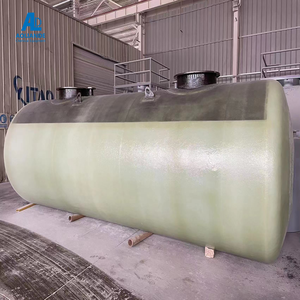
- Secondary Containment Safety
- Leak Detection Sensor Ready
- Gas Station & Depot Grade
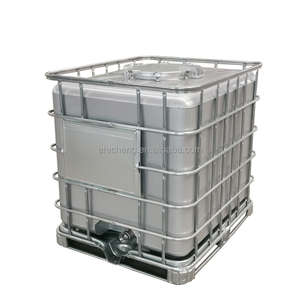
- High Specific Gravity (SG 1.9)
- Automated Pickling Passivation
- Direct Factory Direct Export
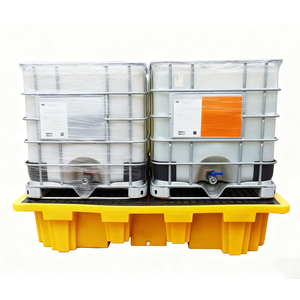
- Ontario EPA Compliant Sump
- Recycled Heavy Polyethylene
- Forklift Pocket Accessible
Toronto Industrial Ecosystem & Demand for Bulk Oil Storage IBC Solutions
The Greater Toronto Area (GTA)—spanning Peel Region, York Region, Halton, and the industrial corridors of Mississauga, Brampton, and Etobicoke—serves as the primary engine for Eastern Canada's chemical distribution, automotive lubricant blending, and energy logistics networks. As global manufacturing hubs streamline supply chain velocities, the transition from traditional 55-gallon (208-liter) steel drums to 1,000-liter and 1,500-liter Intermediate Bulk Containers (IBCs) has become a vital operational mandate. Enterprise procurement teams across Ontario actively seek UN-certified IBC factories and international exporters capable of delivering high-integrity containment systems that withstand both stringent regulatory oversight and rugged climatic conditions.
Information Gain Key Takeaway: Transitioning from standard steel drums to heavy-duty Stainless Steel IBCs (UN 31A/Y) cuts warehouse floor space usage by up to 33%, reduces bulk liquid transfer labor costs by 45%, and eliminates single-use packaging waste in accordance with Ontario’s Resource Recovery and Circular Economy Act.
Operating within Toronto’s logistics grid presents distinct operational challenges. Bulk liquid handlers must balance compliance with Transport Canada’s TDG (Transportation of Dangerous Goods) Regulations, CSA B621/B622 standards, and local environmental protection protocols enforced by the Ontario Ministry of the Environment, Conservation and Parks (MECP). Whether storing synthetic motor oils, transformer dielectric fluids, recycled hydraulic oils, or food-grade vegetable oils, choosing the exact IBC specification—such as grade 304 or 316L stainless steel vs. high-density polyethylene (HDPE) in a steel cage—directly dictates operational safety, long-term total cost of ownership (TCO), and cross-border transport flexibility across the US-Canada border via the Buffalo and Detroit trade corridors.
Localized Application Scenarios Across Ontario & Eastern Canada
Industrial applications in Toronto require tailored container designs due to the high density of chemical synthesis plants, automotive assembly complexes (Oakville, Oshawa, Alliston), and food processing hubs. Below is an engineering evaluation of how specialized IBC tanks perform across local industry verticals:
High-viscosity motor oils, transmission fluids, and gear lubricants blended in Mississauga plants require 1,000L SS304 IBCs equipped with heating jackets and conical bottoms for complete, residue-free discharge.
Utility service providers and electrical equipment manufacturers require ultra-clean, hermetically sealed SS316L IBCs with nitrogen blanket connections to prevent moisture absorption and insulation breakdown.
Flammable synthetic base oils and aggressive chemical additives are safely contained in UN 31A/Y anti-static folding plastic containers or heavy metal IBC tanks certified under NFPA 30 guidelines.
Processing plants handling coconut oil, canola oil, and specialty food ingredients utilize FDA-compliant 1000L Paper IBCs with sterile liner bags, offering a hygienic, single-trip export solution.
Recycling facilities in Hamilton and Toronto deploy rigid double-walled underground tanks and low-profile spill containment pallets to prevent accidental ground contamination.
Biodiesel producers utilize ASME-certified stainless steel totes to handle organic acids and variable viscosity stocks in extreme sub-zero Ontario winters without thermal embrittlement.
Engineering Matrix: Metallurgy, Polymer Selection & Standards
Selecting the optimal container configuration requires evaluating chemical compatibility, specific gravity (SG) ratings, static discharge risks, and operational lifespan. The matrix below outlines key engineering metrics comparing different IBC types offered by factories exporting to Toronto:
| Specification / Parameter | SS304 / SS316L Stainless IBC | Composite HDPE IBC (Steel Cage) | Anti-Static Collapsible IBC | Paper / Cardboard IBC (Liner) |
|---|---|---|---|---|
| UN Transport Rating | UN 31A/Y (Liquids SG ≤ 2.0) | UN 31HA1/Y (Liquids SG ≤ 1.9) | UN Certified (Ex Zones 1 & 2) | Non-UN / Food Grade Export |
| Flammable Liquid Suitability | Excellent (NFPA 30 Class I, II, III) | Limited (Requires Anti-static layer) | High (Grounding Harness Integrated) | Not Suitable for Flammables |
| Winter Temperature Resistance | -40°C to +150°C (No brittleness) | -20°C to +60°C (Polymer stiffening) | -30°C to +60°C | Indoor / Dry Transport Only |
| Expected Service Lifespan | 15 - 20+ Years (Reusable) | 2 - 5 Years (Bottle replacement) | 5 - 10 Years (Foldable) | Single-Trip (100% Recyclable) |
| Discharge Efficiency | Conical Bottom (99.9% Drainage) | Flat Bottom (Requires tilting) | Side / Bottom Squeeze Valve | Bottom Outlet Pillow Bag |
| Cleaning & Maintenance | Automated CIP & Pickling Passivation | Bottle replacement required | Replaceable inner liner | Zero cleaning (Disposable liner) |
Sub-Zero Thermal Dynamics & Anti-Static Fire Safety
During Canadian winters, ambient temperatures in Ontario frequently drop below -20°C. Polymeric materials like standard high-density polyethylene can suffer from micro-fracturing under mechanical shock during forklift handling. In contrast, SS304 and SS316L austenitic stainless steels maintain superior impact toughness and ductility at cryogenic temperatures. Furthermore, during high-speed pumping of petroleum products, dielectric friction generates significant electrostatic charges. Stainless steel IBCs—along with specialized anti-static plastic folding containers—feature direct grounding lug connections to safely dissipate static electricity to earth ground, eliminating catastrophic ignition risks in hazardous ATEX / EX-rated filling environments.
Toronto & Canadian Market Trends in Industrial Bulk Packaging
The industrial packaging sector in Southern Ontario is experiencing a structural shift driven by sustainability mandates, automated bulk filling tech, and supply chain digitalization. Exporters and factory partners supplying the Toronto market must align with three macro trends:
Ontario enterprises are replacing single-use drums with standardized stainless steel IBCs that undergo local washing, pressure testing, and recertification every 2.5 years, aligning with corporate Net-Zero goals.
Modern IBC fleets deployed across the Highway 401 corridor are increasingly equipped with GPS tracking, hydrostatic level sensors, and real-time temperature telemetry for automated inventory replenishment.
Local lubricant processing plants are integrating fully automated 200L/1000L weighing and filling machinery that require precise IBC dimensions, top-opening tolerances, and anti-foaming lance ports.
Frequently Asked Questions by Toronto Procurement & Plant Managers
Answers to common technical, regulatory, and logistics queries when sourcing oil storage IBC containers for Ontario operations.
What UN certifications are required for transporting oil IBCs in Canada?
Under Transport Canada’s TDG regulations and CSA B621 standards, IBCs transporting hazardous liquids or flammable oils (Class 3) must bear a permanent UN specification plate (such as UN 31A/Y for metal IBCs). This indicates successful completion of drop testing, hydrostatic pressure testing, vibration testing, and stacking load tests.
How do Stainless Steel IBCs handle cold Toronto winters compared to plastic?
Stainless steel (SS304/SS316L) remains structurally stable across extreme temperature swings (-40°C to +150°C) without cracking or becoming brittle. Additionally, metal tanks can be equipped with electrical heating jackets or steam heating channels to maintain oil flow viscosity during winter outdoor storage.
What is the difference between SS304 and SS316L for oil & chemical storage?
SS304 is the industry standard for petroleum lubricants, motor oils, hydraulic fluids, and vegetable oils. SS316L contains added molybdenum, offering superior resistance against severe pitting corrosion caused by acidic additives, chlorinated solvents, or marine environment exposure during export.
What secondary containment rules apply to IBC oil storage in Ontario?
The Ontario Environmental Protection Act and local municipal bylaws mandate that liquid storage containers must have secondary spill containment capable of holding 110% of the single largest tank's volume, or 25% of the total aggregate stored volume. Using low-profile spill pallets or double-walled tanks fulfills this safety requirement.
Can paper IBCs with liners be used for industrial oil exports from Toronto?
Yes. 1000L Paper IBCs with multi-layer foil/polyethylene liners are highly popular for exporting non-hazardous food-grade oils (such as coconut, palm, or canola oil) and non-corrosive bio-lubricants. They eliminate return freight costs because the outer box is 100% recyclable corrugated board.
What lead times and shipping options are available for factory direct export to Toronto?
Standard 1000L and 1500L stainless steel IBC orders are typically manufactured, pickled, passivated, and pressure tested within 15-20 days. Ocean freight to the Port of Montreal or direct rail transport to Toronto CN/CP intermodal terminals takes approximately 25-35 days, with full customs clearance support provided.
Why Partner With Our Global IBC Factory & Exporter Network
As a global leader in rigid industrial packaging solutions, our manufacturing infrastructure combines heavy industrial engineering with rigorous quality assurance systems. Serving enterprise clients across North America, Europe, and Asia, we ensure every bulk container shipped to Toronto meets exact technical specifications.
All stainless steel tanks undergo internal and external 2B surface pickling passivation, removing weld oxides and restoring a corrosion-resistant chromium oxide layer for absolute chemical purity.
Seams are executed via automated TIG/MIG robotic welding systems, followed by 100% dye penetrant testing, X-ray inspection, and 30 kPa pneumatic leak testing before factory dispatch.
Containers can be customized with 2" or 3" 316L ball valves, butterfly valves, quick-connect Camlock fittings, pressure-vacuum relief vents (PVRV), and top-mounted level indicator sight glasses.
Our international export team handles full container load (FCL) shipping, door-to-door delivery across Toronto, Missisauga, and Hamilton, including all Canadian Customs (CBSA) documentation.