
Industrial Stainless Steel IBC Totes & Storage Pressure Vessels
Precision-engineered SUS304 & SUS316L liquid bulk containers optimized for fish oil refining, crude marine lipid storage, sauce fermentation, and high-salinity offshore environments.
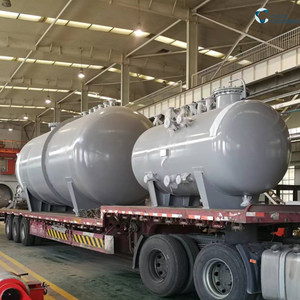
- ASME Code Stamp Compliance
- High-Pressure Fish Oil Degumming
- Custom Sizes (500L - 10,000L)
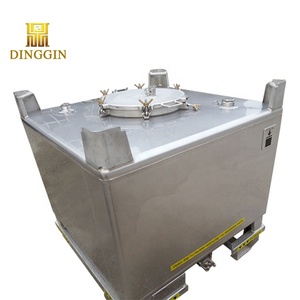
- UN 31A/Y Hazardous Transport
- Heavy-Duty Stacking Frame
- Sloped Bottom for 100% Discharge
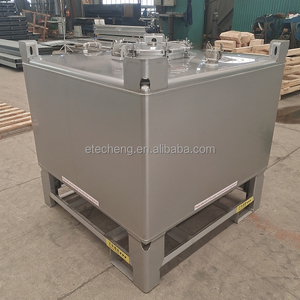
- Food-Grade Electro-Polished Interior
- Corrosion Resistant for Salt Brine
- Top Manhole with Pressure Relief Valve
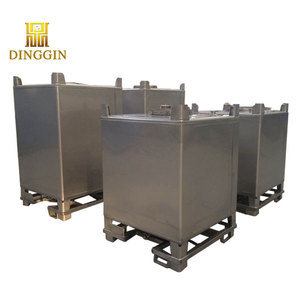
- Optimal ISO Container Payload
- 3-Way Forklift Entry Access
- Anti-Vibration Lockable Valves
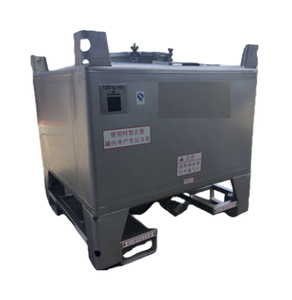
- High Yield Strength Structural Shell
- CIP Sanitation Friendly Surface
- Chemical & Liquid Fertilizer Approved
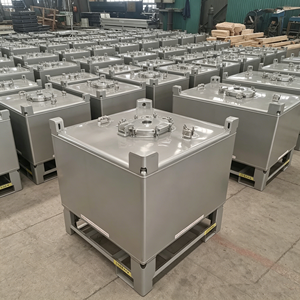
- Passivated Anti-Corrosion Coating
- 1-Year Comprehensive Warranty
- Suitable for Fish Sauce Fermentation
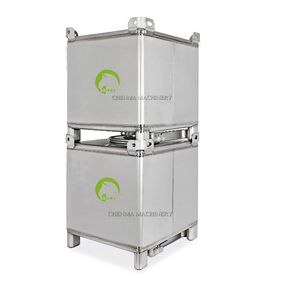
- Dimple Heating/Cooling Jacket
- Viscous Marine Lipid Temperature Control
- Insulated Outer Cladding Available
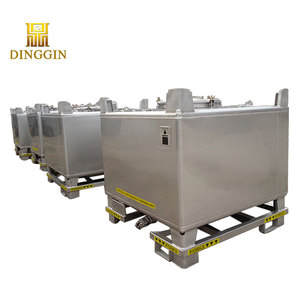
- Ultra-High Saltwater Corrosion Proof
- Heavy-Duty Marine Vessel Deck Stacking
- Integrated Top Air Vents & Quick Couplers
Executive Summary: Packaging Innovation in Malaysia’s Seafood Industry
As one of Southeast Asia's leading maritime economies, Malaysia occupies a pivotal position in global seafood harvesting, aquaculture production, and value-added marine bio-processing. From the expansive deep-sea fisheries in Sabah and Sarawak to the sophisticated marine processing hubs in Port Klang, Penang, and Kuantan, the demand for industrial-grade, hygienic, and corrosion-resistant packaging is expanding rapidly.
Modern seafood processing extends far beyond fresh ice transport. The commercial extraction of Omega-3 rich fish oils, hydrolyzed fish proteins, refined marine lipids, surimi slurry, and fermented fish sauces requires robust intermediate bulk containers (IBCs) and pressure vessels capable of maintaining chemical purity while enduring extreme humid tropical environments. Traditional plastic totes and mild steel drums fail under high-salinity exposure, presenting severe risks of stress corrosion cracking, organic batch contamination, and costly product rejection during international transit.
Structural Evolution: Stainless Steel (SUS304/316L) vs. Disposable Containers
Malaysia's progressive adoption of global ESG (Environmental, Social, and Governance) compliance and strict export regulations (US FDA, EU Health Mark, and JAKIM Halal Certification) has catalyzed a industrial transition toward reusable, fully passivated stainless steel IBC totes. Stainless steel containers provide absolute barrier protection against UV light, thermal degradation, oxygen permeation, and volatile bacterial contamination.
Zero Organic Residue Retention
Interior mirror polishing (Ra < 0.4 µm) prevents marine lipid adhesion and protein residue build-up, enabling seamless Clean-in-Place (CIP) automated washing.
UN 31A/Y Hazardous Transport
Certified for ocean freight shipment of dangerous liquids, corrosive fish solubles, and enzymatic extract solutions under IMDG, ICAO, and ADR regulations.
Halal Chemical Purity
100% inert metallic construction prevents cross-contamination, ensuring absolute compliance with Malaysia's MS 1500 Halal food processing standards.
Localized Application Scenarios in Malaysian Maritime Operations
Different segments of the Malaysian fisheries value chain require targeted packaging configurations to handle specific chemical, thermal, and mechanical stresses:
1. Deep-Sea Vessel Onboard Storage & Offshore Brine Holds (Sabah & Sarawak)
Trawlers operating in the South China Sea and Celebes Sea require rugged bulk containers that fit securely into vessel holds without sliding or corroding. Our SUS316L Stainless Steel 1000L IBCs feature hot-dip galvanized or stainless steel outer stacking frames engineered to endure constant exposure to sea spray and high-salinity air. Fitted with sloped bottoms and lockable ball valves, they facilitate rapid liquid discharge during port calls in Kota Kinabalu and Sandakan.
2. Crude Fish Oil Extraction & Refining (Port Klang & Kuantan Industrial Hubs)
During the thermal extraction of fish oil, lipids must be maintained at elevated temperatures to prevent crystallization and phase separation. Our Cooking Jacketed Stainless Steel IBC Totes feature integrated dimple jackets that allow low-pressure steam or hot glycol circulation. This enables refiners in Selangor and Pahang to maintain optimum viscosity for pumping, filtration, and bulk export to global pharmaceutical buyers.
3. Enzymatic Fish Hydrolysate & Liquid Fertilizer Bio-Fermentation (Penang & Johor)
Processing fish offal into agricultural bio-fertilizers and animal feed supplements involves microbial fermentation that generates internal organic gases. Our ASME Pressure Vessel Storage Tanks and UN-Approved IBCs are equipped with automatic pressure-relief valves, top-mounted nitrogen blanket connections, and sanitary sampling ports to safely manage off-gassing while preserving nutrient integrity.
4. High-Salinity Fish Sauce & Marine Seasoning Fermentation (Perlis & Terengganu)
Traditional and industrial fish sauce production involves multi-month ambient salting and fermentation under tropical humidity. Conventional carbon steel or lower-grade plastics degrade, leach microplastics, or introduce rust particles. Passivated SUS304/316L Tote Tanks deliver total corrosion resistance against high-concentration sodium chloride solutions, preserving natural flavor profiles and meeting stringent health inspections.
Key Trends Shaping Malaysia's Seafood Packaging Landscape
1. Transition to Reusable Metallic IBC Ecosystems
Under Malaysia's National Policy on Industry 4.0 and Sustainable Development Goals, major food processing conglomerates are actively phasing out single-use IBC liners and rigid plastic totes. Stainless steel IBCs provide a 20+ year operational lifecycle, lower total cost of ownership (TCO), and are 100% recyclable at end-of-life.
2. Cold-Chain Logistics & Thermal Integrity
With Malaysia expanding export routes to East Asia, Europe, and the Middle East, maintaining uninterrupted cold chain integrity during tropical transshipment is paramount. Insulated and jacketed stainless tote designs protect heat-sensitive marine lipids and live cultures against extreme ambient heat spikes at container terminals.
3. Rigorous Safety Compliance (DOSH / JKKP & UN Standards)
The Malaysian Department of Occupational Safety and Health (DOSH / JKKP) strictly monitors pressure vessels operated in processing plants. Our ASME-stamped vertical and horizontal storage pressure tanks comply fully with local safety audits, reducing operational liability and insurance premiums for factory owners.
4. Traceability & Smart Logistics Integration
Modern seafood exporters are retrofitting tote fleets with IoT-enabled GPS, temperature, and fill-level sensors. The heavy-duty structural frame of our stainless steel totes provides protected mounting zones for RFID and satellite tracking hardware, enabling real-time monitoring across global shipping lanes.
Why Leading Malaysian Seafood Exporters Partner With Us
Leveraging decades of specialized industrial container engineering and an expansive global service network spanning over 170 locations worldwide, we provide unmatched manufacturing precision and lifecycle support for the maritime industry.
1. Certified Metallurgy
Verified SUS304 and SUS316L stainless steel source materials with full mill test certificates (MTC) according to EN 10204 3.1 standards.
2. ASME & UN Validation
Third-party certified hydrostatic pressure testing, drop testing, stacking tests, and vibration analysis for absolute transport security.
3. Custom Engineering
Tailor-made dimensions, heating jacket placement, agitator flange mounts, and specialized valve configurations tailored to your factory layout.
Frequently Asked Questions by Malaysian Buyers
Clear answers to common technical, regulatory, and logistics queries regarding stainless steel IBC tote procurement in Malaysia:
Should I choose SUS304 or SUS316L stainless steel for seafood processing?
For standard food-grade applications such as fresh fish oil, refined marine lipids, and general liquid processing, SUS304 offers exceptional durability and cost efficiency. However, for high-salinity marine environments (e.g., vessel decks, salt brine immersion, raw fish sauce fermentation) or highly acidic hydrolysate processing, SUS316L is strongly recommended due to its molybdenum content, which provides superior resistance to chloride pitting and crevice corrosion.
Are your IBC tote tanks approved for international ocean freight from Malaysia?
Yes. Our stainless steel IBC totes are fully UN-approved (UN 31A/Y design code), complying with International Maritime Dangerous Goods (IMDG) standards and international shipping regulations. They are structured to stack two-high fully loaded in standard ISO sea containers, maximizing freight economy for exports from Port Klang, Johor Port, or Penang Port.
How do stainless steel IBCs simplify HALAL sanitation protocols?
Unlike plastic containers that can absorb oils, organic odors, and microscopic residues in their porous walls, stainless steel surfaces are completely non-porous and smooth (electropolished to Ra < 0.4 µm). They withstand high-pressure steam sterilization, hot alkaline washing, and aggressive chemical sanitizers without surface degradation, allowing rapid and verifiable JAKIM Halal cleaning validation between batches.
Can these tanks handle viscous fish oil heating during cold weather transport?
Absolutely. We offer specialized double-wall jacketed IBC tote tanks equipped with dimpled heating jackets. These allow the circulation of steam, hot water, or thermal oil to heat solidified or highly viscous fish oils prior to discharge, eliminating product loss and reducing unloading times at overseas destinations.
What are the lead times for delivery to East and West Malaysia?
We maintain streamlined manufacturing schedules and robust regional logistics networks. Standard 500L, 1000L, and 1500L stainless steel IBC totes can be delivered to major West Malaysian industrial zones (Selangor, Johor, Penang) within short turnaround times, with direct sea freight routes arranged to East Malaysian ports including Kuching, Bintulu, and Kota Kinabalu.
Are your pressure storage vessels DOSH / JKKP compliant in Malaysia?
Yes. Our industrial pressure storage vessels are engineered and fabricated in strict accordance with the ASME Boiler and Pressure Vessel Code (Section VIII Division 1). Complete design calculations, material test reports, and non-destructive testing (NDT) documentation are provided to facilitate smooth submission and approval with the Malaysian Department of Occupational Safety and Health (DOSH / JKKP).
Optimize Your Seafood Packaging Supply Chain Today
Contact our engineering consultants to request detailed CAD blueprints, chemical compatibility charts, and competitive factory-direct quotes for your Malaysian processing facilities.