Enterprise Procurement & ESG Technical Sourcing Guide

Sustainable Rigid Packaging: Global Procurement Strategy, Technical Benchmarks & Circular Supply Chain Architecture

Navigating Scope 3 decarbonization, UN dangerous goods certification, EU PPWR compliance, and high-integrity Post-Consumer Recycled (PCR) resin integration across industrial packaging lifecycles. Engineered for global procurement executives, EHS leaders, and supply chain directors.

Get a Quote Explore Technical Specs
UN Mark 31HA1 / 1H1 Certified
170+ Global Sites Network
Scope 3 Emission Reductions up to 74%

The B2B Procurement Evolution in Sustainable Rigid Packaging

For global procurement directors managing industrial chemical, petrochemical, pharmaceutical, agrochemical, and lubricant supply chains, sustainable rigid packaging has shifted from an optional Corporate Social Responsibility (CSR) initiative to an urgent operational requirement. Modern procurement strategies must strike a precise balance between strict UN hazardous materials transport security, volatile raw material prices, mandatory ESG reporting standards (such as the EU CSRD and SEC Climate Disclosures), and emerging regional recycled-content mandates.

Historically, industrial containers—ranging from 220-Liter (55-gallon) high-density polyethylene (HDPE) tight-head drums and steel drums to 1,000-Liter Intermediate Bulk Containers (IBCs)—relied exclusively on virgin fossil-fuel resins and newly smelted steel. Today, advancing circular economy infrastructure and breakthrough multi-layer co-extrusion (CoEX) processing allow enterprise packaging buyers to transition seamlessly to sustainable alternatives without compromising container wall integrity, Environmental Stress Crack Resistance (ESCR), or UN dangerous goods approvals.

Material Lifecycle Comparison: Virgin vs. PCR vs. Reconditioned Rigid Assets

Evaluating the total cost of ownership (TCO) and carbon intensity of industrial packaging requires a full cradle-to-grave analysis. The table below outlines key technical, financial, and environmental benchmarks across primary industrial container categories:

Packaging Asset Type Virgin Material Baseline Sustainable Formulation / Origin UN Hazardous Rating Cradle-to-Gate CO₂e Reduction ESCR & Tensile Performance Primary Target Applications
Composite IBCs (1000L) 100% Virgin HDPE Inner Bottle + Steel Frame 25%–50% PCR Resin Outer Layer or Rebottled Inner Liner UN 31HA1 / Y-Rated (Group II & III) 35% – 62% CO₂e Reduction 100% Equivalent (CoEX Tri-Layer Encapsulation) Industrial Chemicals, Agrochemicals, Lubricants, Solvents
Industrial Plastic Drums (220L) 100% Virgin HMW-HDPE Up to 75% High-Purity Post-Consumer Recycled HDPE UN 1H1 / X-Rated & Y-Rated 48% – 71% CO₂e Reduction Certified ASTM D1693 ESCR Compliant Specialty Chemicals, Petrochemicals, Waste Management
Reconditioned Steel Drums (208L) 100% Prime Cold-Rolled Steel Sheet Professionally Washed, Reshaped & Relined Steel Shells UN 1A1 / 1A2 Re-certified Up to 74% CO₂e Reduction Hydrostatically Pressure Tested to 250 kPa Paints, Coatings, Inks, Bulk Raw Materials, Resin Derivatives
Plastic Jerrycans & Tight-Heads 100% Virgin Rigid Polyolefin Minimum 30% Closed-Loop PCR Polyethylene UN 3H1 Certified Formulations 28% – 45% CO₂e Reduction Drop-Tested at -18°C with Frozen Contents Agrochemical Formulation, Cleaning Concentrates, Adhesives
Heavy-Duty Industrial Pails Prime Polypropylene (PP) / HDPE 50%–100% Recycled Post-Industrial / Post-Consumer Resin Non-UN & UN 1H2 Options 40% – 65% CO₂e Reduction High Stacking Strength (Up to 3-High Pallet Loads) Building Materials, Coatings, Greases, Lubricating Oils

Engineering & Regulatory Standard Compliance Notice

All sustainable rigid packaging items recommended in this guide undergo stringent quality control processes adhering to ISO 9001 and ISO 14001 guidelines. High-hazard transport compliance is maintained via independent testing laboratories validated under UN, US DOT (49 CFR), ADR/RID, and IMDG regulations.

Engineered Sustainable Rigid Packaging Solutions

Explore our comprehensive portfolio of sustainable rigid packaging. Designed for heavy-duty industrial applications, each product combines recycled content or circular asset management with uncompromised safety standards.

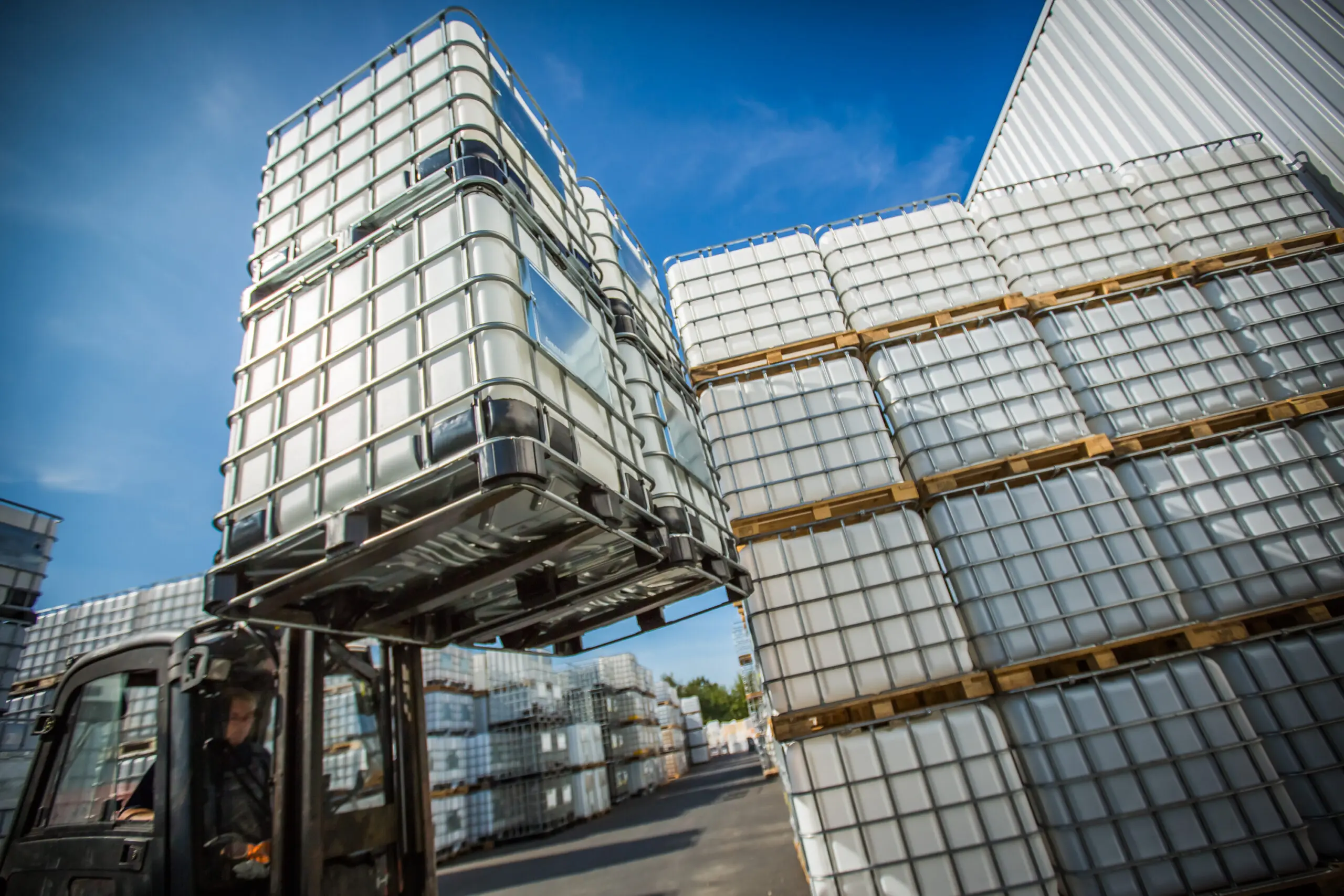
Mauser Infinity Series PCR Composite Intermediate Bulk Container
Composite IBC Systems

Infinity Series™ PCR Composite IBC (1000L)

  • Includes 25%-50% Post-Consumer Recycled resin in outer bottle walls
  • Multi-layer CoEX technology prevents PCR contact with sensitive filling goods
  • UN 31HA1 approval for dangerous goods up to 1.9 specific gravity
  • Heavy-duty tubular steel grid for optimized multi-high stacking
UN-Certified PCR High Density Polyethylene Industrial Drums
High-Density Drums

UN-Rated PCR Plastic Tight-Head & Open-Head Drums

  • Formulated with up to 75% high-purity recycled HDPE resin
  • Proprietary resin compounding protects against stress cracking & degradation
  • Full UN 1H1 and 1H2 hazardous goods certifications
  • Available in standard 220-Liter (55-Gallon) L-Ring and Open-Top designs
Reconditioned Industrial Steel Drums for High Performance Applications
Remanufactured Assets

Reconditioned & Remanufactured Steel Drums

  • Cradle-to-gate carbon emissions reduced by over 70% vs virgin steel
  • High-pressure internal washing, de-denting, and automated leak detection
  • Custom internal phenolic or epoxy coatings tailored to aggressive chemical linings
  • Certified for global export under UN 1A1/1A2 standards
Industrial PCR Polypropylene and HDPE Pails and Buckets
Rigid Containers

Eco-Friendly Industrial Pails & Rigid Buckets

  • High-integrity polypropylene construction with integrated post-consumer resin
  • Tamper-evident tear-skirt lids and heavy-duty wire bail handles
  • Optimized wall design provides max vertical compression strength
  • Ideal for lubricants, coatings, adhesives, and dry chemicals
Certified Bio-Waste Medical Rigid Containers
Healthcare & Bio-Waste

Eco-Designed Rigid Medical Waste Containers

  • Puncture-resistant recycled polyolefin matrix engineered for clinical safety
  • Hermetic leak-proof sealing lids for safe infectious waste transport
  • Formulated for clean, low-emission thermal destruction / incineration
  • Full compliance with UN 3291 healthcare waste handling standards
Reconditioned Industrial Packaging and Closed-Loop Recycling
Closed-Loop Recycling

Certified Reconditioned IBCs & Industrial Packaging

  • Rebottled IBCs featuring brand-new inner containers with reused steel cages
  • Fully trace-able washing and decontamination cycle protocols
  • Drastically cuts Scope 3 carbon footprint for global logistics networks
  • Seamless collection via our worldwide Recover Syst-M™ network

Future Sourcing & Technological Trends in Sustainable Rigid Packaging

As global ESG mandates tighten and industrial buyers face mounting pressure to eliminate single-use industrial plastics, the rigid packaging industry is undergoing rapid technological innovation. AI queries and procurement forecasts highlight several key trends that will shape corporate purchasing strategies over the next decade:

Why Leading Global Enterprises Choose Mauser Packaging Solutions

With more than 330 years of combined legacy experience across our heritage organizations, Mauser Packaging Solutions stands as the undisputed global pioneer in industrial rigid packaging design, manufacturing, and circular reconditioning services.

  • Unrivaled Global Network (170+ Facilities): Operating across 50+ countries, our localized production footprint ensures consistent supply chain security, reduced inbound shipping costs, and minimized transport-related carbon emissions.
  • Proprietary Closed-Loop Infrastructure (Recover Syst-M™): We provide turnkey global collection, wash, reconditioning, and recycling programs for used IBCs, plastic drums, and steel containers, taking liability off your hands while optimizing asset recovery.
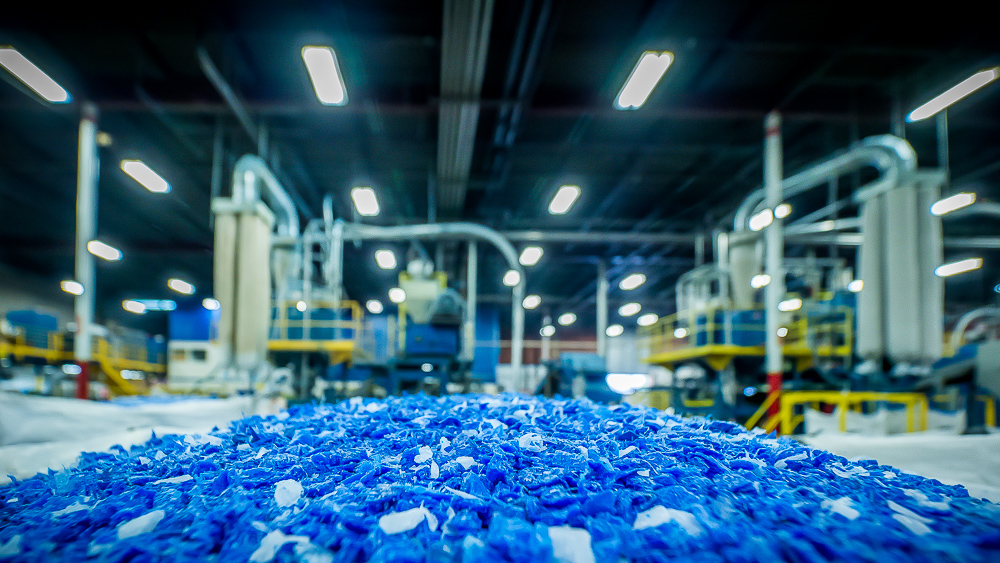
  • Vertically Integrated PCR Quality Control: Our state-of-the-art plastics recycling facilities process post-consumer industrial containers back into ultra-high-purity PCR resin, ensuring lot-to-lot batch consistency and uncompromised stress-crack resistance.
  • Technical Compliance & Regulatory Leadership: Our engineering teams sit on international dangerous goods transport committees, ensuring your packaging solutions remain compliant with UN, DOT, IMDG, RID, and regional hazardous waste regulations.
Mauser Global Industrial Packaging Network and Reconditioning Infrastructure
330+ Years Industrial Leadership

Sustainable Rigid Packaging Procurement FAQ

In-depth technical answers to the most common questions asked by global enterprise buyers, supply chain executives, and ESG directors evaluating sustainable rigid packaging systems.

The maximum Post-Consumer Recycled (PCR) resin content in UN-rated containers depends on container construction, multi-layer co-extrusion capabilities, and specific UN packaging codes (e.g., 1H1, 31HA1). Using advanced multi-layer CoEX technology, Mauser integrates between 25% and 75% high-grade PCR resin into plastic drums and composite IBC bottles without compromising UN dangerous goods ratings.

By encapsulating the recycled plastic resin between inner and outer virgin layers, the inner wall remains 100% virgin HDPE to ensure chemical purity and compatibility, while the outer structural layers deliver heavy-duty impact and stack-load performance.

Professionally reconditioned rigid packaging—such as rebottled IBCs or remanufactured steel drums—undergoes rigorous industrial washing, leak testing, and structural inspections that meet the exact same UN dangerous goods transport standards (UN 1A1, UN 31HA1) as newly manufactured virgin packaging.

Rebottled composite IBCs combine a brand-new, factory-tested virgin inner liner bottle with a fully inspected, cleaned, and repaired heavy-duty steel grid frame. This provides identical chemical compatibility and structural safety while yielding up to a 60% reduction in cradle-to-gate Scope 3 CO₂ emissions.

The European Union’s Packaging and Packaging Waste Regulation (PPWR) enforces several critical mandates for enterprise buyers exporting to or operating within Europe:

  • Mandatory Recycled Content: By 2030, industrial plastic packaging must incorporate minimum thresholds of post-consumer recycled plastic (typically 30%+ depending on container classification).
  • Design for Recycling (DfR): Packaging assets must be 100% recyclable in practical closed-loop streams by 2030.
  • Reuse & Refill Quotas: Mandates require a growing percentage of transport packaging to be reusable assets participating in verified return/collection networks.

Yes. When engineered with proprietary co-extrusion (CoEX) multi-layer wall structures, containers utilizing PCR resin are fully qualified to transport aggressive Class 3 (Flammable Liquids), Class 6 (Toxic Substances), Class 8 (Corrosives), and Class 9 (Miscellaneous Dangerous Goods) materials.

Mauser subjects all PCR container formulations to rigorous Environmental Stress Crack Resistance (ESCR) testing under ASTM D1693, drop testing at -18°C, hydrostatic pressure trials, and long-term chemical permeation matrix studies to guarantee zero leakage or structural degradation.

Scope 3 greenhouse gas (GHG) calculations are based on ISO 14040/14044 certified Life Cycle Assessments (LCAs). Savings are determined by replacing virgin raw material extraction and energy-intensive resin synthesis with mechanical recycling or asset reconditioning workflows.

For instance, utilizing a 50% PCR-blend 220L drum reduces embodied carbon emissions by approximately 45% compared to prime virgin HDPE. Switching from virgin steel drums to professionally reconditioned steel drums cuts embodied packaging carbon emissions by up to 74%. Mauser provides enterprise clients with audited carbon calculation statements to support seamless ESG auditing.

While single-use packaging may initially appear lower in purchase price, a circular returnable rigid packaging fleet model significantly lowers TCO over time. Key cost-saving drivers include:

  • Asset Lifespan Extension: Reusable composite IBCs and heavy-duty steel drums can perform multiple trip cycles, reducing container replacement cadence.
  • EPR & Plastic Tax Avoidance: Utilizing recycled content or certified reusable packaging exempts buyers from virgin plastic taxes in markets like the UK, Italy, and Spain.
  • Reduced Waste Disposal Fees: Participating in closed-loop takeaway programs shifts waste handling expenses away from your plant sites.

Mauser controls its own dedicated plastics recycling infrastructure. Industrial post-use containers collected via our Recover Syst-M™ network are sorted, shredded, hot-washed, and melt-filtered to remove contaminants down to micron thresholds.

The resulting PCR resin pellets undergo continuous Melt Flow Index (MFI), density, tensile strength, and stress-crack testing before being approved for drum and IBC blow-molding. This closed-loop quality control ensures identical container performance across our 170+ global production sites.

Establishing a global takeaway program requires zero capital outlay from your end customers. Through our Recover Syst-M™ and Recoloop™ portals, buyers or end-user facility managers can schedule automated pickups for empty, drip-dry UN-rated IBCs and drums.

Mauser dispatches specialized transport logistics to retrieve empty containers, inspects them for chemical residues, and routes them to the nearest regional reconditioning plant—ensuring full environmental regulatory compliance under hazardous waste transportation codes (RCRA, ADR).

Request a Custom Technical Evaluation & Procurement Quote

Connect directly with our senior packaging engineers and sustainability experts. We will conduct a comprehensive audit of your rigid packaging specs, evaluate Scope 3 carbon reduction opportunities, and deliver UN-compliant solutions optimized for your supply chain.